Good Day to all, we’re back with our next World Cup R32 matchup preview: Brazil against Japan. This is one of the heavyweight R32 matchups that we’re seeing at this 48-team World Cup, with FIFA’s #6 and #18 ranked nations going up against each other for a spot in the R16.
How They Got Here:
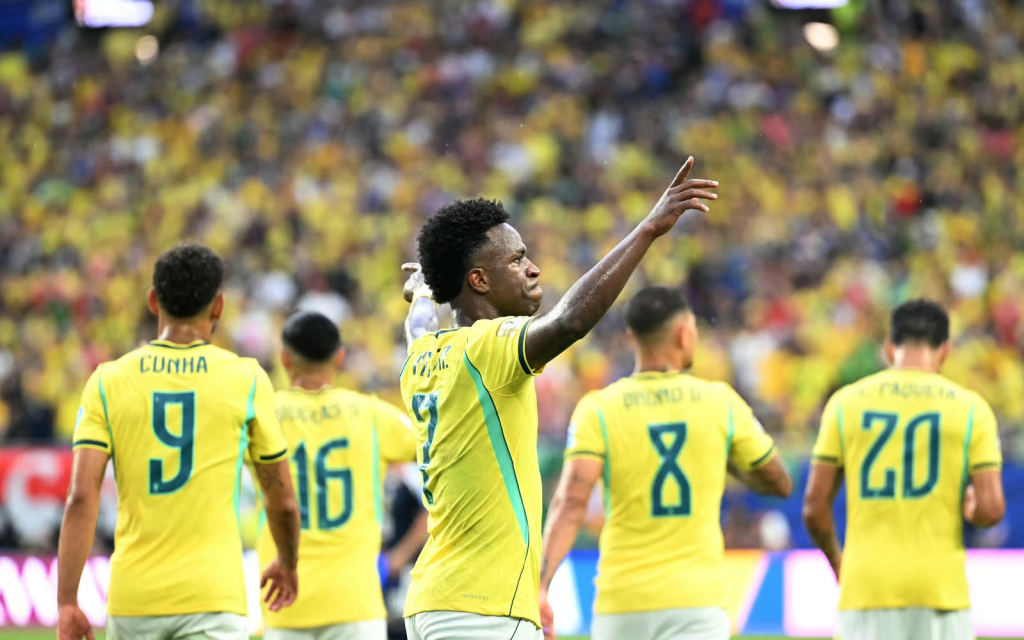
I won’t sugarcoat it, this Brazil squad is a shadow of the dominant sides that have graced past editions of the World Cup. In many positions on the pitch, the 2026 team is literally the shadow of past squads, with many aging Seleçao stars being called up by Carlo Ancelotti for the tournament. Over the group stage, the Brazil starting XI had an average age of 30, behind only Iran and Cape Verde at this World Cup for the oldest starting XI. Please don’t take this Brazil squad as a representation of Brazilian football at the moment. There are many talented players who did not receive a call for the World Cup, and I strongly believe there was a much better Brazil team available for selection. Regardless, Ancelotti went for experience, which was painfully evident in their group-opener against Morocco, who have one of the youngest starting XI’s at WC’26. Morocco dominated this game from start-to-finish, with only a moment of magic from Vinicius Jr. earning Brazil a point. This was a common trend for Brazil throughout the group stage. After a more convincing 3-0 victory over World Cup debutants Haiti, Brazil needed a win over Scotland on the final matchday to win the group. Brazil were never tested in this match. Scotland gifted Vinicius a goal in the 7′ from a miscommunication at the back and never looked like threatening. Another rather generous gift for Brazil made it 2-0 at halftime before finishing 3-0. In the end, Brazil won their group over Morocco on goal differential, which in my opinion is one of the most undeserved group wins we saw at the World Cup based on performance. In Brazil’s only real test of the group against Morocco, they failed on all accounts and were extremely lucky to come away with a draw. Going into the match against Japan, Brazil do not look prepared for a tough knockout match yet. The team as a whole is noticeably slow and lacking that Brazilian creativity and flair we know and love. At this moment, they are still overly reliant on Vinicius Jr. to be one of the best players in the world and create goals on his own. How will this approach will fare against one of the most structured, disciplined, teams at the tournament? Only time will tell.
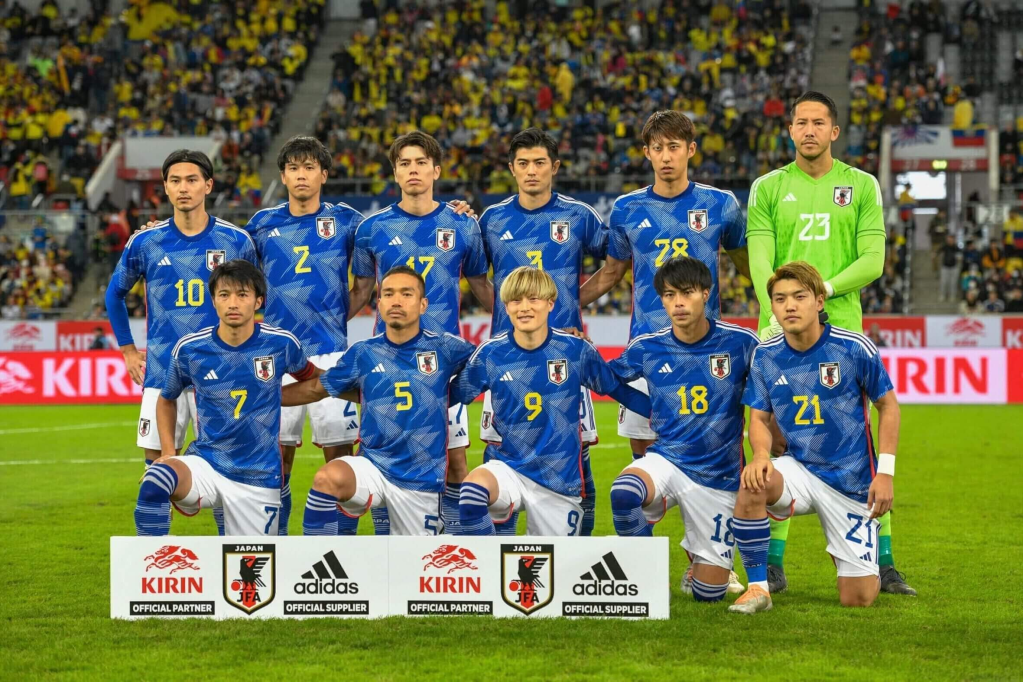
Japan on the other hand, had a more difficult group at the World Cup after they dominated AFC qualification, winning 23 of 30 possible points, while scoring 30 goals and conceding just 3. In their tournament opener against the Netherlands, Japan played out a very even match against the #8 ranked nation in the world, conceding the majority of the ball but producing the same amount of xG threat as the Dutch. They showed great resilience to come back on two separate occasions in the match, with Keito Nakamura (one of my favourite players at this tournament, not just on Japan) washing out Virgil van Dijk’s opener, before Daichi Kamada scored in the 88′ to level the match again and earn a 2-2 draw. Moving on to Tunisia, a match where Japan was heavily favoured, Moriyasu’s men made a statement. Limiting Tunisia to just two shot attempts all match, Japan was truly the only side playing football in this match as Tunisia desperately tried to keep the ball out of their net. Another Kamada goal, a brace for Ayase Ueda, and the finisher from Junya Ito gave Japan a 4-0 win, putting them in with a good chance of winning the group. On the final day, Japan would face Sweden in a match where both sides knew they would advance with a draw. The Italians call this type of match a “biscotto”, an endearing term I enjoy, essentially meaning both teams just take a break and have some cookies together. While it wasn’t obvious that these teams were playing for a draw, there was a noticeable lack of intensity and an overall conservative mindset from both managers. Daizen Maeda and Anthony Elanga each grabbed a goal for their country, and this one finished 1-1, leaving Japan in 2nd place in Group F which set up their R32 clash with Brazil.
What To Expect (Playstyle):
With any Ancelotti team, we can expect a certain degree of “hands-off” management, something Ancelotti has found a great deal of success using when managing elite teams full of players with big egos. He provides general guidelines, but leaves the “how” to his players on the pitch to figure out. This is why when Brazil are struggling to exert themselves in a match, we are likely to see the ball forced to Vinicius Jr. as often as possible. It’s a very predictable and basic strategy, but when Brazil have a player of Vinicius’s quality, it can work. The loss of Raphinha for the tournament severely hurts Brazil’s versatility in attack, as he provided a much needed focal point on the right flank to balance out Vinicius. Ancelotti has turned to young Bournemouth attacker Rayan to take Raphinha’s place, one of only two teenagers on Brazil (the other being Endrick). In the Scotland match, Rayan showed his value and was Brazil’s best pressing forward (not something Vinicius and Matheus Cunha are excellent at). It was his pressure that led to Scotland gifting Vinicius the early goal, and Rayan created more chances vs. Scotland than any other player on the pitch. If Matheus Cunha and Rayan are playing to their strengths, this may be a long, grueling match for Japan’s defence. Brazil will have Lucas Paqueta in the #10 role supporting the front 3, and likely Bruno Guimaraes playing as the #8 alongside Casemiro but getting forward to support the attack. Casemiro is where we start getting to Brazil’s issues. The 34-year old United man is well past his best, and as the type of player who’s greatest attributes were his ability to cover ground, make tackles, and break up the play, he has not been allowed to age as effectively as a midfielder like Luka Modric for example, for whom physicality is not his main tool. Casemiro will be having nightmares trying to stop Japan on the counter when they break with numbers and pace. The aging FB pair of Douglas Santos (32) and Danilo (34) will certainly be at a risk of being taken advantage of if they try to get forward in support of the attack. I’m expecting Nakamura and Ritsu Doan in the wide roles of Japan’s 3-4-2-1 system, and I would put my money on both players getting the better of Brazil’s FB’s today. Brazil’s shape in possession should essentially be a 4-1-5/2-3-5 if the FB’s push up slightly. There will often be a large gap between Brazil’s forward and defensive lines, which is space Japan can exploit in transition if they play between the lines and force Brazil to come out of their defensive structure to press.
I do really like Japan’s tactical setup that we are likely to see against Brazil today. It’s a 3-4-2-1 that can quickly shift into a 5-4-1 in defence or a 4-3-3 in attack. If you remember watching Japan at the last World Cup under Moriyasu, the team rotations and shifts between phases of possession were well-drilled and executed to near-perfection. To handle the Vinicius problem, Ritsu Doan (RM) will be asked to track back constantly and provide a double team on Vini alongside Takehiro Tomiyasu at RCB. This leaves Japan with 2 centre-backs free to matchup alongside Rayan and Cunha, additional left-flank support in Nakamura, along with the double-pivot of Ao Tanaka and Kaishu Sano in midfield screening the defence. In terms of numbers, Japan will have the superiority when they are defending. If Brazil want to match the number of Japanese defenders with their attackers, they will need to commit several additional players forward (who do not have the recovery pace to effectively do so). If Casemiro or the Brazil FB’s get forward in attack, the Brazilian backline will be terribly exposed in transition. Not only will Brazil need to win their 1v1 attacking duels to produce chances, they will often have to win 1v2 attacking duels. Japan know that they have an incredible pace advantage over Brazil across the entire squad. This is why they will be able to happily commit more players to defending than Brazil can comfortably commit to attack. If this game starts getting very transitional and going end-to-end, I think this generally suits Japan better. Japan can execute some beautiful team moves, their off-ball runs and team chemistry is really impressive, and I think they have potential to score several goals today. The narrow front-3 will cause Brazil’s backline and Casemiro problems, as full commitment to marking out these players will allow Japan to walk into the final third down the flanks. If Brazil try to focus on Nakamura and Doan in possession, they’ll be exposed centrally. Ancelotti has a very difficult defensive gameplan to prepare.
Result?:
While there are many factors at play, this match really will boil down to whether Japan can stop Vinicius Jr. They effectively need to score more often than they fail to defend Vinicius, or the tactical advantage Japan have is gone. If Vinicius gets free from his defenders and can get into scoring positions 2 or 3 times in this match, that could be enough to win it. Assuming Vinicius neither has the greatest game of his career or the worst game of his career, I see this match going to extra-time, being decided by extremely tight margins. The record World Cup-winners Brazil will face their toughest test yet against Japan. Overcoming this challenge could galvanize Brazil to push on and make a run at this tournament, but Japan simply refuse to be overlooked. Doubt them at your peril. (Prediction for the sake of it: 3-2 to Japan)
Thanks for Reading!
-LM

