As the sound of the song “USA” by Dubioza Kolektiv rang through the Zenica stadium at full-time of Bosnia’s dramatic win over Italy to reach the World Cup, the cameras panned to their 40-year old captain, Edin Džeko, who dropped to his knees in relief and exhaustion. He would get his final chance to play in a World Cup after that penalty shootout, and for many, this was the story-line. However, I thought I saw a different kind of relief on Džeko’s face: the relief of knowing that the next generation had just taken the torch and he no longer had to shoulder the weight of an entire nation on his own. It was fitting, that Džeko (presumably Bosnia’s scheduled 5th penalty taker in this match) didn’t even have to take his penalty kick, as Esmir Bajraktarević converted the 4th spot kick to send Bosnia to the World Cup after Kerim Alajbegović scored just prior. Alajbegović, an 18-year old German-born, Bosnian winger, received his first cap for the Bosnian senior team last year, with the match vs. Italy acting as his 8th cap for country, having already become a mainstay. With the score 1-0 to Italy at halftime, Sergej Barbarez subbed off a defender (Sead Kolasinac) for Alajbegović in an attempt to take advantage of the Bastoni red card and get back in the match. The difference was immediately obvious. Bosnia were struggling to create in their 4-4-2 shape, with their strikers being isolated and marked by the Italian defence. Once Alajbegović took up his position on the left wing, the Italians were in for a long 2nd half. Averaging ~ 1 touch per minute on the pitch, the attacking focus for Bosnia shifted to “get this kid the ball”.
Given the moment and stakes of the match, along with the situation he found himself being subbed into, I cannot say enough good things about the mentality and character shown by Kerim Alajbegović in this match. Time and time again he got open to receive the ball, and turned his attention to attacking the box. He was not scared of the moment, but attacked it without hesitation. This is not a winger who wants to hug the touchline and play backwards passes, he wants to create with the ball at his feet, even under the kind of pressure that would make many players lose their nerve. Never dispossessed and having completed 44/46 passes in this match, Alajbegović showed outstanding composure and vision. More than that, he was able to recognize that the Italian defence would eventually wear down under enough pressure, and delivered 15 cross attempts and 7 more corners in limited minutes. While looking at just the stats would tell you that 1/15 crosses were “accurate”, your eyes tell you the impact an “inaccurate” cross can have in the final third. While not reaching a teammate, Alajbegović’s crosses were not simple clearances that didn’t make it past the first defender, they had pace, whip, and really asked a lot of questions of the Italian CB’s, who often “cleared” these crosses right to Bosnian players around the edge of the box. While I will say that Alajbegović does seem to be more of the type of winger to try and carve out shooting opportunities for himself, his vision and creating is no weakness.
For his player profile, Alajbegović is best operating as an inside forward, from a left-wing position. The closest high-level player comparison I could make based on style is similar to Liverpool’s Cody Gakpo. He identifies central space around the edge of the 18-yard box well and really takes joy out of cutting inside onto his right foot. At times he will keep cutting across the box until you blink and he’s delivering a cutback from the RW’s position on the goal-line. He prefers shorter interplay to get into the box vs trying to get crosses in from the sideline. Note his Bundesliga season shot map below. Not only is it clear how much Alajbegović enjoys cutting inside around the edge of the box, but also my other point mentioned – he ends up on the far side of the pitch in the final third fairly often:
Alajbegović is a right-footed player, but is not weak on his left, having shown several technically strong left-footed strikes in the matches I watched. Alternatively, I could see him operating as a ST in a striker pairing, with the agency to move around the pitch freely. So far this season, Alajbegović has 9 goal contributions in the Austrian Bundesliga with RB Salzburg, having played almost 1400 minutes. He is definitely a volume shooter, averaging ~4.5 shots per 90 for club, and 71 touches per 90, which is fairly high for a forward. While perhaps not the most aesthetically pleasing player with every touch, Alajbegović knows what he wants to do and is very efficient in achieving his goal. You might not get hypnotizing dribble moves out of him, but he can create enough space for himself to do what he does best: shoot.
Alajbegović says his dream is to play for Real Madrid (“but if it’s Barcelona, that’s ok too!”) and given the player he is now at 18, I don’t believe that’s an unrealistic dream. At the very least, he has all the tools necessary to become an impactful player on European football’s biggest stages, and will not be staying at RB Salzburg any longer than this season. Bayer Leverkusen have already exercised their buy-back clause on Alajbegović, willing to pay Salzburg a 6M profit just for giving Alajbegović the playing time to develop. The Bosnian national team attack will almost certainly be lead by Alajbegović and Bajraktarević (their other bright young star, 21-year old RW currently at PSV) for the next decade or so. If Alajbegović can continue his very strong form for his country, then this summer’s World Cup could be his breakout tournament where he becomes a household name.
Get ready for a breakout season, starting at this summer’s World Cup, continuing upon his return to Leverkusen. Kerim Alajbegović is without a doubt, One To Watch.
In the UEFA World Cup Playoff Semifinal, Slovakia lost 4-3 to Kosovo, ending their 2026 World Cup hopes. The result is surprising, and the combination of many things coming together in the wrong way for the home crowd in Bratislava. First, manager Francesco Calzona, after having repeatedly worked miracles with his 4-3-3 system, switched to a 5-back system to start this match for the first time in years. This was a confusing decision. Huge match at home as the slight favourites, and Slovakia were set up in their most defensive system I have seen under Calzona, a 5-2-3 that fell into a 5-4-1 out of possession. This allowed Kosovo to get more possession than expected in this match and really feel like they had the opportunity to create. After Martin Valjent opened the scoring for Slovakia in the 6th minute, they sat back and let Kosovo have the ball. In the first half, Kosovo held the majority of possession, yet were down 2-1 thanks to a Haraslin direct free kick goal.
The loss of Leo Sauer early in the first half was undeniably a huge blow to the Slovak offence. The recent 3-time Slovak Young Player of the Year winner is one of the most talented players on the team despite being just 20 years old and Slovakia struggled to create after he left the match.
Kosovo scored in the 47′, again in the 60′, and again in the 72′ to go up 4-2 and effectively end all hopes of a Slovak victory. A David Strelec goal one minute before full-time was but mere consolation, as the hosts were knocked out of WC contention. This also could have been the last match played in a Slovak kit for Martin Dubravka, which could leave some huge shoes to fill. Marek Rodak has 25 caps to his name as the most experienced replacement for Dubravka in net, while Dominik Takac is 27 without an official cap for the senior team yet. Other options might include L’ubomir Belko, who recently moved to Viking FK in Norway from Žilina, or his successor in northern Slovakia, Jakub Badzgon. The point is, there’s a huge experience void that will be present when Dubravka retires from the national team and we cannot expect Slovakia to maintain a similar level to the past 10 years in net.
Stanislav Lobotka will be 33 by the next Euro and 35 by the next World Cup. Perhaps the most important player in the Slovak team, Lobotka is the midfield conductor and heart of the Slovak possession play. Ondrej Duda, regular set piece taker and midfield colleague of Lobotka, is the same age. The two have 163 caps combined. Peter Pekarik has 132 on his own, and has already been playing long past when he should’ve been allowed to rest due to a lack of depth at RB. The time is probably now to start giving the next generation the experience they’ll need to qualify for the next Euro tournament. Tomas Rigo and Mario Sauer are both really positive players in midfield and should becoming much more prominent in the squad.
As for Calzona, does he stay for at least another 2 years through the next Euro cycle? I honestly couldn’t say. If he does decide to step down, there would be a massive appointment to be made by the Slovak FA, crucial to the next generation of the Slovak national team developing. If all goes well, Slovakia should have a good chance of qualifying for Euro 2032 and WC 2034. As for the near future, Nations League C awaits. Improving their Nations League standing is important, as we saw this year in the WC qualifiers, with teams being guaranteed WC playoff places for performing well enough in the Nations League. A season in Nations League C could be good for the opportunity to develop younger players.
Overall, this loss to Kosovo was a missed opportunity: a chance to qualify for the first World Cup since 2010, with the last overlap of two generations of national team players. By the next cycle, the older generation will likely not be regular starters, and the Slovak team will have some growing to do before they might reach the heights we saw at Euro 2024. Ďakujem za prečítanie 🙂
Hello everyone, been busy, sorry for the brief absence. A full 2026 Eliteserien season preview awaits you today, so if you need to know more about the Norwegian top-flight, look no further!
Promotions/Relegations:
Last season, we said goodbye to three clubs who were relegated to the OBOS-ligaen, the Norwegian 2nd tier. For FK Haugesund, it was almost a foregone conclusion from the midway point of the season, finishing with just 9 points from 30 matches. Strømsgodset had a slightly better showing with 20 points, but were also automatically relegated. For Bryne, it was by narrow margins – finishing just 2 points shy of safety in their first season up, and having to play the promotion/relegation playoff against Aalesund. This was not very close, finishing 4-1 to Aalesund on aggregate, who gained promotion to the Eliteserien after a two year absence! Joining them coming up from the OBOS-ligaen are Lillestrøm, who ran away with the league, winning it by 25 points and going unbeaten. IK Start needed to win on the final day of the season to guarantee automatic promotion and did so comfortably, with a 3-0 win.
Promoted: Lillestrøm, Start, Aalesund
Relegated: Haugesund, Strømsgodset, Bryne
Map of Participating Clubs:
The Eliteserien remains a very southern-biased league in its composition, which is fair enough given the already cold climate in Norway. Bodø/Glimt and Tromsø, the northern rivals, remain the only two northern teams in the league for yet another season. Only two clubs represent the capital city of Oslo: KFUM Oslo and Vålerenga. and the longest away day depends on how you look at it! As the crow flies, it is Start-Tromsø. However if you were driving, the trip from Stavanger, the home of Viking, is actually longer due to the possible routes.
Here is a breakdown of each 2026 Eliteserien club last season, their transfers, and what we might expect from them this season:
Aalesund FK:
Last season, Aalesund played mostly a 3-5-2 formation under their manager Kjetil Rekdal. The midfield 3 combine for a lot of goals. Mathias Christensen scored 6 (10 assists), Hakon Hammer scored 6 (1 assist), and Henrik Melland scored 11 (4 assists) last season for Aalesund. Their current main scoring threat up front is Danish striker Paul Ngongo Iversen, who scored a goal every 3 matches in the OBOS-ligaen last season. However, they have brought in a relatively unknown striker in Ivan Djantou, from Sönderjyske in Denmark. He doesn’t have a prolific scoring record, but is another tall forward added to Aalesund’s squad. They appear to be preparing for a relegation scrap, with their other most notable signing being the Viking goalkeeper, Kristoffer Klaesson. Now, in terms of Goals Prevented, and some of Klaesson’s other numbers, you can see why Viking were happy to sell him. (Their new keeper signing from Slovakia will be mentioned later on). However, acquiring a keeper who won the league literally last season is experience that a newly promoted club rarely gets the opportunity to acquire. I think this is a win-win for both parties here, and Klaesson may have a breakout season getting to face more shots and be the undisputed #1 with Aalesund. I’m not sure if Aalesund have added enough offensive firepower to have a strong chance at a top-half push, but they could well do enough to avoid relegation.
FK Bodø/Glimt:
Last season, Glimt missed out on the title by a very narrow margin. In a way, they are suffering from their European success, domestically. A deep Europa League run that coincided with the start of the 2025 season, followed by participating in the Champions League during the later stages of the Eliteserien season. As a result, you might think that they would have looked to bring in some more players to manage the increased fixture congestion. However, that appears not to be the case! With no signings in January, Kjetil Knutsen will be heading into the start of the 2026 Eliteserien season with the team he finished last year with – aside from the departure of Mathias Jorgensen to Blackburn.
The lack of a sale of Kasper Hogh could more or less be considered a signing, as there was ample interest in the Danish striker from the UK following his impressive UCL performances. All bids were rejected, and Hogh will be seeing out the Champions League season with Glimt. A summer departure is not off the table.
Longtime veteran and Glimt mainstay at CB, Brede Mathias Moe, retired following the end of the 2025 season. Young Villads Nielsen of Denmark will be looking to pick up some more minutes and fill that gap, while Odin Bjortuft and Jostein Gundersen are the starting CB pair for now. It will be interesting to see the season that Mikkel Bro Hansen, the 17 year old striker, has – if Kasper Hogh leaves, he is really the only other natural striker on the team, and I would expect his minutes to increase this season. Aside from that, expect a motivated and hungry Glimt side who will be looking to reclaim the Eliteserien title amidst balancing Champions League play.
SK Brann:
Brann had a strong season last year, but have lost some key players ahead of this season. Most notably, their young star CB Eivind Helland was sold to Bologna for a sizeable 7M euro fee. They also lost Aune Heggebo during the summer window, who was one of the league’s best strikers before departing. Midfield regular Emil Kornvig was sold to Lodz in the Polish Ekstralasa, while CB Japhet Sery Larsen was sold to Philadelphia in the MLS. So what have Brann done in response?
Danish midfielder Jacob Lungi Sorensen was signed from Norwich City, where he’d spent the past 5 seasons, even gaining some Premier League experience. I expect him to have a solid impact in the Eliteserien this season and be a big player for Brann. Former Lillestrom LB Vetle Dragsnes was brought back to Norway from Union Charleroi, while promising 19 year old Ghanaian CB Nana Kwame Boakye was signed from Sheriff Tiraspol in Moldova. Boakye and Sorensen both have Europa League experience, which should help Brann as they will play in European competition this season. Striker Noah Holm was signed to replace Heggebo, a Rosenborg academy product who has shown flashes of good potential. Finally, Icelandic midfielder Kristall Mani Ingason was signed from Sönderjyske.
Overall I think there are some very good signings in this bunch, especially given the experience that Brann have added. The squad might take some time to gain chemistry, but I would expect Brann to be up in the Top 5 competing for European places again this season. Watch for Boakye to potentially have a breakout season for Brann.
Frederikstad FK:
After a surprise 6th place finish in their first season back in the Eliteserien, Frederikstad gained some experience in UEFA competitions last season against good opposition: falling to FC Midtjylland and Crystal Palace in the qualifying rounds. They finished the 2025 Eliteserien season in 8th place, and will be looking to challenge for the European places again this season.
Frederikstad had some trouble scoring last season, averaging just 1.3 goals per match, but also had the 2nd best defence in the league, conceding just 1.2 goals permatch. They are a low possession, direct side who often play on the counter. Having sold Maxwell Woledzi, their standout CB, to Nashville SC this winter, Frederikstad had some money to bring in reinforcements.
In comes Max Nilsson from Landskrona in the Swedish Superettan for a 500k euro fee: a versatile midfielder/WB who has been a regular starter for Landskrona since he was 18. Now 20 years old, Nilsson and Frederikstad will be hoping he can take the next step in his career in the Eliteserien. Continuing the trend of younger talent being brought in, Stabaek duo Aleksander Andresen (LB, 20 years old) and Joachim Nysveen (RB, 19 years old) were both brought in for free.
Most exciting was the signing of Chris Irénée Ntamack Pondy. A high-potential, 18 year old Cameroonian CB, Pondy was wanted by some of Europe’s biggest clubs, before Frederikstad hijacked the deal and brought in the youngster. They can offer playing time that say, Chelsea, can not, and this is a smart move for Pondy to develop further while playing regularly.
Overall, I’m not sure if Frederikstad have done enough to address their goal production issues, but if the defending remains as strong as last year, they will have a good chance to finish in the top 6.
Hamarkamaratene (HamKam):
HamKam had a disappointing season last year, finishing 11th, 6 points above the relegation places. Stay up though, they did, and have made some moves to improve their starting XI before the 2026 season. Promising young CB Ethan Amundsen-Day was brought back to Norway from the Aston Villa youth system, while Martin Gjone was acquired for 120k from Sandefjord. Experienced Swiss attacking midfielder Loris Mettler was also brought in from Sandefjord, along with Ian Hoffman, a 24 year old RM/RWB from Lech Poznan. All four players started in HamKam’s recent cup fixture against Lillestrom.
Expect a back-heavy tactical setup from HamKam, a 3 CB backline is a staple, and the 3-5-2 formation will likely be seen often. HamKam will rely on veteran goalkeeper Marcus Sandberg yet again, who was one of the better keepers in the Eliteserien last season. Give the new-look team some time to gel, and HamKam may surprise with a mid-table finish, though the 9th-12th range does seem more reasonable.
KFUM Oslo:
KFUM Oslo were promoted to the Eliteserien ahead of the 2024 season, and have managed to stay up in each of their first two seasons: 8th place in 2024, followed by a more nervous 12th place finish in 2025, just 4 points above relegation. KFUM were busy in the offseason, signing 8 new players permanently along with the loan of Lech Poznan keeper, Krzysztof Bakowski. Three of the new signings made their first starts for KFUM in their recent cup win over Tromso: RW Rasmus Eggen Vinge, signed for 500k from Stabaek after recording 5 goals and 4 assists in the OBOS-ligaen last season. Left-back Eirik Saunes was signed from Bryne for 250k, and Tore André Sørås debuted for KFUM after his move from HamKam. Very experienced AM/ST Magnus Wolff Eikrem was brought in from Molde FK. With 264 league appearances and 76 goals for Molde FK, Eikrem brings invaluable Eliteserien experience to this KFUM Oslo side. The reinvigoration of the side with new signings should help propel KFUM back into the fight for a top-10 place in the Eliteserien this season.
Kristiansund BK:
Kristiansund came even closer to the drop than KFUM, finishing just 2 points clear in 13th place last season. Excluding Haugesund, who were an outlier in how poor they were last season, Kristiansund had the worst attack, and 2nd-worst defence in the league. These are considerable issues to fix in one transfer window, and it does not appear as if Kristiansund has been able to address them. Without a sale in the January window to bring in money for new signings, Kristiansund were limited to what they could do with free transfers. Young midfielder Heine Gikling Bruseth was signed from San Diego FC (MLS), alongside fellow midfielder Jesper Isaksen, from Stabaek. Alexander Munksgaard was signed as a new RB from Banik Ostrava, along with a few more free signings. Regular starter at CB, Marius Olsen, signed with GKS Katowice on a free, while fellow CB Axel Guessand moved to Pafos. In addition, Mikkel Rakneberg, a regular at LB last season, moved to VfL Bochum. It is hard to say that Kristiansund won’t be battling relegation this year. At best, we can say that they replaced the numbers in the squad that they lost, but should struggle to avoid a bottom-3 finish.
Lillestrøm SK:
Lillestrøm are returning to the Eliteserien after their shock relegation in the 2024 season, going unbeaten in the OBOS-ligaen to win automatic promotion. They were able to cash in on young Senegalese ST Moctar Diop, receiving a 1M euro fee from Gent. Their starting keeper ,Mads Hedenstad, has signed with Aarhus GF on a free transfer, while LB Kristoffer Tønnessen moved to Start on a free. A new keeper in Pontus Dahlberg was signed from IFK Göteborg for 250k. The almost 2m tall, 27 year old keeper will look to do his part in keeping Lillestrøm up this year. Swedish-Palestinian winger Camil Jebara was signed from Elsborg for 260k, rounding up the paid transfers. A mix of youth and experience was added through free transfers, including the likes of LB John Kitolano joining from Aalesund, and young Gustav Nyheim joining from Molde. Given last seasons results, it is clear that Lillestrøm are no ordinary “newly promoted” side, and I do expect them to avoid a relegation battle this season to reclaim their regular Eliteserien spot.
Molde FK:
Molde are seriously loading up their squad ahead of the 2026 season. From 2017-2022, Molde finished in the Top 2 places in the Eliteserien. The next two seasons, they finished a respectable 5th place. However last season, Molde plummeted to a 10th place finish, their worst since the 2010 season. They are acting like they want to remedy that, having spent over 8.5M euros on new signings since the 2025 summer window opened, with 6M of those signings coming in the winter window that just closed. The marquee signing is 21-year old Ghanaian ST, Jalal Abdullai. Signed for a 3M euro fee from Elfsborg, Abdullai will have the responsibility of being Molde’s main main up top. To support him in attack, highly rated Liverpool youngster Trent Kone-Doherty was signed permanently for 750k. This will be Kone-Doherty’s first full season at senior level, having made 2 senior appearances for the Reds over the last two seasons. In defense, 23-year old CB Sivert Sira Hansen was signed from IK Start for 1M, Fredrik Kristensen Dahl was brought in for 430k, and a new keeper was signed from Anderlecht in Mads Kikkenborg. This should be a fun attacking side to watch this season, and I do think they have everything they need to get back up into the European spots this season.
Rosenborg BK:
Rosenborg has made some significant cash following their 7th placed finish last season. Wonderkid Sverre Halseth Nypan went to Manchester City for 15M euro, while young RW Marius Broholm moved to Lille for 6M, and keeper Sander Tangvik was bought by Hamburger SV for 2.6M. Starting ST Noah Holm was sold to Brann for 1.3M, while veterans Ole Saeter and Erlend Dahl Reitan left on free transfers.
After signing Slovak David Duris during last season to boost their attack, Rosenborg have found an interesting loan signing at ST: Amin Chiakha, a 19-year old Algerian-Danish player from Copenhagen. In midfield, 2M was spent on 20-year old Danish midfielder Mads Bomholt, a very promising chance-creator coming off of a strong season with Aalborg BK in the Danish 2nd tier. Johan Bakke was signed for a 400k fee to join Bomholt in midfield from Strømsgodset, while veteran RB Jonas Svensson returned home from Besiktas on a free. Also interesting is the return of Leopold Wahlstedt to Norway. While playing for Odds BK, Wahlstedt was THE standout keeper in the Eliteserien, before a move to Blackburn Rovers didn’t quite pan out. After two seasons with Aarhus GF in Denmark, Wahlstedt is returning to the Eliteserien. This should help to replace Tangvik in net, though it remains to be seen if Rosenborg’s new outfield signings can replace the talent they lost. I think Rosenborg’s final league position could vary considerably: I would be surprised to see them in the Top 3, and I would also be surprised to see them in the bottom half.
With the budget acquired from their sales very much not depleted, Rosenborg can continue looking to rebuild themselves back to their former glory, when they were the class of Norwegian football in the 80’s and 90’s.
Sandefjord:
After a 5th place finish in last year’s Eliteserien, Sandefjord are looking to build upon it and challenge for Europe this year.
New signings Nikolaj Moller (ST) and Jakob Vester (CM) were brought in from Dundee United and Viborg, respectively, while new CB Xander Lambrix joined from TOP Oss in the Dutch 2nd tier. Sandefjord have also invested in another homegrown CB in Håkon Krogelien, a 21 year old defender signed from Jerv. A relatively unknown quantity as of right now, Sandefjord have one to watch with their singing of 18-year old Ghanaian winger Foster Apetorgbor. Apetorgbor will get his first experience playing in Europe with Sandefjord, and with the amount of talented attacking players who have come from Africa through the Eliteserien in recent years, I will certainly be keeping an eye on Foster Apetorgbor.
In terms of sales, Stefán Ingi Sigurdarson (ST), Christopher Cheng (LB), Martin Gjone (CB), and Loris Mettler (AM) were all sold for a combined total of almost 4M euros. Sigurdarson and Cheng were two of Sandefjord’s top players last season. Sandefjord only spent ~1.2M on new signings, meaning they still have money in the budget for a summer signing without having to sell any players. I think a top 4 position will be difficult to achieve, but certainly possible if Sandefjord have a good season.
Sarpsborg 08:
Some might say that the “08” in Sarpsborg 08 represents their league finishing position after the last four years. Sarpsborg has finished 8th, 8th, 9th, and 9th, very consistently staying in the mid-table while never being in a real relegation battle. English manager Martin Foyston was appointed just before the end of last season, after getting Osters IF promoted to the Allsvenskan over two seasons there. Foyston achieved an average of 1.7 points per game after joining Sarpsborg, which if pro-rated over a full season, would have been good enough for 5th place in the Eliteserien. This could be the start of Sarpsborg 08’s journey out of mid-table into fighting for European places.
24-year old winger Noa Williams was signed from Kongsvinger for 500k euro, after a 15 goal contribution season in the OBOS-ligaen. Champions League experience was also added to the squad with 26 year old midfielder Chris “Chriso” Kouakou, from Qarabağ. Veteran CB Sigurd Rosted was brought back home from Toronto FC in MLS. Finally, promising young Belgian-Moroccan winger Camil Mmaee was signed from Maastricht after he recorded 8 goal contributions in just over 1000 minutes played in the Eerste Divisie. I genuinely like the transfer business done by Sarpsborg 08. If they can continue their progress under Foyston this season, I could very well see them finishing in a Top 6 spot.
IK Start:
After a 2nd place finish in the OBOS-ligaen last year, IK Start earned promotion back to the Eliteserien after a 5-season absence. Experience was their priority in transfers, adding a trio of 28-year old players: Erlend Dahl Reitan (RB, Rosenborg), Kristoffer Tønnessen (LB, Lillestrom), and Erlend Segberg (DM, Trapani). Jesper Cornelius, a 24-year old striker from Lyngby BK in Denmark, was also added, alongside Valencia youth product Alexander Gurendal, a 20-year old LW. We might even see Jasper Torkildsen (GK) make his Elitserien debut for Start after a loan to Stromsgodset last year.
Regular CB Sivert Sira Hansen joined Molde FK for a 1M euro fee, as Molde looked to snap up the 23 year old CB with hopes he could improve further. Start did not see many more departures though, leaving them with a bolstered squad. I believe Start will likely be in a relegation battle, although I will not pick them as a surefire favourite to go down.
Tromsø IL:
Tromsø are also enjoying the Northern-Norway era of dominance in the Eliteserien, recording their second 3rd-place finish of the past three seasons. After seeing top prospect Runar Norheim sold to Nordsjaelland for 2.25M, as well as Jakob Napoleon Romsaas moving to Royal Charleroi for 1.5M, Tromsø brought in CB Mathias Tønnessen from KFUM Oslo for 1.1M, 19-year old AM Troy Nyhammer from Haugesund for 930k, Jesper Grundt (CM, 23-years old) from Kongsvinger for 850k, and young Swedish-Thai RB Alexander Thongla-lad Warneryd from Västerås SK for 750k. Four more transfer fees were paid out, along with the free signing of Mauritanian national team goalkeeper Abderrahmane Sarr. Tromsø have a proven track record of both scouting and developing African players in the Eliteserien, and Sarr joins Mamour Ndiaye as another exciting African keeper in Norway. A major factor in Tromsø’s season is whether they will be able to keep Abubacarr Sedi Kinteh at the club amidst interest from the likes of Chelsea and Manchester United. Kinteh has been one of the best CB’s in the league since he joined and will be moving on soon, it’s just a question of when.
Overall, this Tromsø squad has been improved from the team that finished 3rd last season, and I think they will yet again finish on the podium in a Top 3 place.
Vålerenga IF:
Vålerenga were relatively quiet in the transfer market after their 6th place finish last season. Their only paid signing was Magnus Westergaard, a 27-year old Danish CM joining from Wycombe Wanderers for 400k euro. Veteran ST Ole Saeter joins from Rosenborg, bringing valuable experience and at 29, some good years left in him. Considering how many of the teams around them in the table have really tried to improve their squads, it feels like Vålerenga have regressed slightly in comparison. While they should be good for a top half finish again, I would be surprised to see them competing for European places by the time the season comes to a close.
Viking FK:
Last (alphabetically), but certainly not least, are the reigning champions Viking. They have returned almost their entire squad from last season, while adding a few new signings to the mix. Not wanting to disrupt the team chemistry there was, Viking have kept the incoming players to a minimum.
L’ubomir Belko, the 23-year old Slovak keeper out of Zilina, was signed to be the new starter for a 1M fee. As is usual, some of the best Slovak players can be acquired for relatively low fees. From their academy in Africa (named “African Viking”), 18-year old LW Kelvin Frimpong is making the move to the Eliteserien for a 200k fee. Another unknown quantity as of right now, it is always exciting to see a player get his first chance in Europe while playing in the Eliteserien. The start of several strong careers has happened in Norway. As for departures, it is mostly just goalkeeper Kristoffer Klaesson, who moves to newly promoted Aalesund in a bid to help keep them up. Without any key player departures, Viking will be a threat for the league again this season.
Their biggest challenge may well be balancing the Champions League qualifying rounds with league play once the summer arrives. With the offset of the Norwegian schedule relative to UEFA competitions, the qualifying rounds for UEFA competitions begin midway through the Eliteserien season. This has proven to be a hurdle for almost every Norwegian club who competes in European competitions, and will be especially if Viking qualify for one of the UEFA competitions proper. If Viking go out early in the UEFA qualifying rounds, then they will have little to no fixture congestion this season, unlike what Bodø/Glimt will be dealing with. This was a main factor in their title win last year, having gone out of European competition early while Glimt were making a UEL semi-final run, then playing UCL League Phase matches during the 2025 Eliteserien season.
Overall Prediction:
Here are my general predictions for which clubs might be battling for different positions in the Eliteserien this season.
Teams Competing for Title: Bodø/Glimt, Viking, Tromsø
Teams Competing for Europe (Top 4): Brann, Molde, Rosenborg, Frederikstad, Sandefjord
Teams Battling Relegation: Kristiansund, Aalesund, Start, KFUM
The Eliteserien remains a very exciting league to follow, with local Scandinavian talent combining with promising international players to create a great environment to find new talent in. After Glimt’s UCL success this year, there will likely be more eyes on the Eliteserien than ever before this year, and you know who to go to if you need to know more. As always any scouting requests or questions can be directed by email to scouting.futbird@gmail.com.
Born January 31st, 2006, Otto Ruoppi was welcomed into the world in his hometown of Kuopio, Finland. Growing up in the regional capital of North Savo, with a population of roughly 125,000, this is all Otto knows…homegrown lad who started his football career in his very own backyard. After playing youth football around his hometown, Ruoppi signed with the hometown club Kuopion Palloseura (Commonly referred to as KuPS), a professional club based in the topflight of Finnish football (The Veikkausliiga). A historical club in Finland who have tallied 7 Veikkausliiga championships, 5 Finnish cup wins, and one Finnish League Cup win. This places them fourth all-time in the Finnish Premier League honor table. Otto Ruoppi, in 2021, at just 15 years old, started his senior career with KuFu-98, the club’s reserve team (at that time), playing in the third tier of Finland, the Kakkonen. Ruoppi made 11 appearances for the team before going back to KuPS II in 2022 to develop for the rest of the season, making 15 appearances and bagging 1 goal under them. This prompted KuPS to make one more developmental move for Otto, and they sent him on loan for the whole of 2023 to Mikkelin Palloijiat in the 2nd division of Finland, the Ykkönen. Otto Ruoppi made 30 appearances for MP and put together 2 goals and 1 assist. All while also seeing MP surprisingly finish 3rd place in the Ykkönen league. After what looked like a successful loan, KuPS brought Otto back, and on April 6th, 2024, Ruoppi debuted in the Veikkausliiga with KuPS first team as a starter. Otto took that starting spot and never gave it up. Scoring his first goal the following game against IFK Mariehamm, this was enough to rope in a contract extension with his boyhood club until 2028 and to continue the early dominance he had been showcasing. Now following Otto’s sophomore season, he now has 95 appearances for the club, all while tallying 18 Goals and 8 Assists during the last 2 years at just 18-19 years old. It’s only a matter of time before someone or some team wants shivers sent down their spine by Kuopio’s Koldest.
International Career:
Otto Ruoppi has made himself known on Finland’s national youth teams, being apart of the country’s U-16, U-17, U-18, U-19 and now U-21 national levels. The most notable honour of his national career was in 2023, where he led the Finnish U-17 national team to the final stage of U-17 Euro qualification. They played 3 games recording an even 1 win, 1 draw and 1 loss. Ruoppi scored 1 goal during those games and was a key component to their success. Now, in 2025, he is doing it again at the U-21 level where Finland have played 5 games for the UEFA European Under-21 Championship qualification, and he scored 3 times, while playing all 450 minutes of the 5 games. Loyalty, trust and talent is what he offers, and Finland feel safe with him on the pitch.
KuPS
When looking at KuPS and the philosophy that they play under Jarkko Wiss, the system lets Otto thrive and not only become a top player on his team, but in the league. KuPS seem to lineup in 3 separate formations during the year such as the 4-2-3-1. 4-4-2, and 4-3-3. The formations we saw the most of the three was the 4-4-2 and the 4-3-3. Regardless of the formation they take, they always seem to follow Jarkko’s strategy of having possession and getting numbers in the box. KuPS average the 4th highest possession in the league as a team with 55.9% and as well, 4th in the league in touches in the opposition box with 982 (158 away from first). These touches in the box have translated to 4th in big chances created with 78. With their philosophy of gaining possession and breaking down the opposition, they also do a good job of creating set piece opportunities to help get crosses into the box more. Again, 4th in the league in corners at 180, 5th in accurate crosses per match at 5.1 (while also attempting the 2nd most crosses in the league at 670 total), 1st in accurate long balls per match at 28.3, and 2nd in accurate passes per match at 465 (4 behind HJK). Again, like I mentioned, KuPS want numbers in the box, and by overloading the wider areas (playing 4-4-2 and 4-3-3 compliment the ideology) they tend to burn the opposition full backs and get dangerous balls into the box. This system has let Otto grow into his own, and OH, has it been a sight.
Otto’s Offensive Efforts*
Otto Ruoppi’s offensive game is where the lad shines. Ruoppi in this system, can play on the wing, as an 8 and get thrown up top as a number 9. Ruoppi always seems to be in the right place and always is providing ample support for his team in attack. Otto likes working further up the pitch and does a tremendous job in working the half spaces, overloading the wider areas, and getting into the box successfully untouched. If the ball is switched to the other side, Otto is inherently moving up and standing in and around the penalty box. This offensive nature has translated into an eye-opening season. For his team, KuPS, he is leading them in a plethora of stats and indicating that he is their heartbeat on offense and is only getting better. Otto is now currently in the top 15 of highest rated players in the Veikkausliiga at 7.35 (per Fotmob), with some of the highest G+A totals in the league. For his team, KuPS, he is 1st in assists, G+A, big chances created, chances created and 3rd in highest match rating on the team. Otto’s chance creation and crossing ability is what makes him stand out from the rest. Otto has 4.97 touches in the opposition box Per90, 1.85 Chances Created Per90), and has a 34% successful cross rate from his 52 crosses attempted (5th on team in total crosses). These Per90 stats just help reiterate KuPS and Jarkko Wiss’ philosophy and show Otto can work wide and be one of the main focal points of attack centrally. Even in Conference League play, Otto has replicated some of those stats and still has looked great. The tougher competition has proved some challenge, but Otto still seems to provide and is shining for KuPS in their remarkable season they are having.
Otto Ruoppi Advanced Statistics
Veikkausliga 2025-26
Conference League 2025-26
Goals + Assists
8 Goals + 7 Assists (Tied 8th in Veikkausliga for G+A, and 5th for Assists)
0 Goals + 0 Assists (KuPS tied for 5th lowest goals for in Conference League)
Chances created & Big Chances Created
49 Chances Created + 9 Big Chances Created (1st on KuPS for Chances & Big Chances Created & 7th Highest in the Veikkausliga)
7 Chances Created & 0 Big Chances Created (72nd in Chances Created)
Touches in Opp. Box Per90
4.97 Per90 – 90th percentile
4.17 Per90 (68th percentile)
Dribble Success Rate
43.9% (50th percentile)
70.01% (84th percentile)
Cross Success Rate
34.0% (84th percentile)
44.4% (88th percentile)
* All statistics in this section taken from Fotmob.
KuPS & Ruoppi’s Performance Against Crystal Palace
KuPS really tried to play to their philosophy under Jarkko Wiss in the match against Crystal Palace in the Conference League. Control possession/tempo, look to play out the back, play out wide, or stretch the defenders back far enough for our midfielders to find pockets of space to drop in, and then drive to the opposition goal. KuPS managed to scrape 44% possession against a Crystal Palace team who is primarily known for playing counterattack/direct football. Crystal Palace have struggled in recent times when having to put pedal to the metal and be the “dominant” attacking/possessive team. On top of not being as familiar as their normal play, they had a younger line up in, with tactical familiarity and leadership levels being down from usual. That is exactly how KuPS broke down Crystal Palace and lead to their first goal to tie the game 1-1.
KuPS goalkeeper #1 Kreidl does an excellent job bringing in pressure from the Palace player and delivers a quick pass in space for KuPS CM #10 Arifi.
#10 Arifi quickly turning his body facing up field and scanning the areas, makes a great pass in between 3 Palace defenders, to find #34 Otto Ruoppi who does a great job finding space for his teammate.
#34 Otto Ruoppi sees that he has space ahead of himself, with a great two touch and pushes directly up field with purpose. Great one/two step to get moving and spearhead the attack with 2 other teammates pushing the back line. (#6 Savolainen & #9 Parzyszek)
34 Otto Ruoppi finds his teammate #6 Savolainen with a good pass into the box who got space off Palace defender #23 Canvot.
6 Savolainen beats #23 Canvot on a move inside, then slides home a treat for KuPS striker #9 Parzyszek to draw the game at 1-1.
Ruoppi in KuPS’ Defensive Structure
Defensively, KuPS played 5-4-1/4-4-2 from their original 4-3-3 shape to start the game. KuPS had Otto on the right striker side, up front pressing along side KuPS #9 Piotr Parzyszek. To start the second half, KuPS implemented higher pressing along Crystal Palace’s back line when they tried to play out the back. KuPS had one of their midfielders drop into a back 5, and then both wingers dropped down into the midfield to push Otto out wide on defense, or they threw both wingers out on the wide flanks and had Otto jump into 9 positioning to formulate the 4-4-2 shape we saw in the second half versus Crystal Palace. Both defensive formations relied on Otto’s work ethic and having him press hard on the wingbacks and the wide center backs of Crystal Palace’s back 3. Otto realized quickly that they would have to put pressure on the younger defenders to cause turnovers. Otto made 3 tackles in the game, 8 recoveries, 4 defensive contributions and all while maintaining a 50% ground duel success rate.
Ruoppi’s role within the 5-4-1 defensive structure:
Ruoppi’s role within the 4-4-2 defensive structure:
Otto’s Odyssey
Otto Ruoppi and KuPS have been phenomenal this season, and there must be praise on Otto’s side as the main facilitator in this offense. Not only does Otto pass the stats test, but Otto also passes the eye test just as thoroughly. Otto has a great future and has already made himself known in the Nordic world. With Otto’s tremendous work ethic and offensive game, any team should jump at the chance to sign him and develop him into the player we already see at this level, at just 19 years old. Otto’s best role(s) to play are as an inverted winger or attacking midfielder. Otto always seems to find himself in the box more centrally or moves more freely within the half spaces. Alas, obviously no person is perfect, and for Otto, he has some skills that require improvement to become the all-around midfielder he can be. For Otto, the two things that can develop to the next level is his tackling ability and physicality/athleticism. Otto is a taller lad at 180 centimeters and is 75 kilograms. By no means is this a small lad, but his tackling skills for that height/weight isn’t where I believe Otto can get to. Improving the timing of his tackles or his strength, would then in theory, hopefully help lead to more pressing/duel success. KuPS system would thrive even more once Otto fills out and grows into the man he can become. Lastly, Otto is on his way to becoming a more athletic player. Having a tremendous first step and amazing ability to quickly turn up the pitch to spearhead the attack. As he gets older, then his agility and pace can go to levels that would be beyond the Veikkausliga. Right now, Otto is a rising, up-and-coming star for the Veikkausliga and Finland. If he continues to see regular time for KuPS and continues training the way he has under Jarkko Wiss’ system, then we won’t seem him much longer in his hometown club’s kit. Otto Ruoppi’s talent trajectory can bring him to the top Nordic clubs around Europe, or Belgium as an influential starter, sooner rather than later. He can thrive in tactical systems that focus on possession or counter attacking, so the list of teams that can come knocking aren’t limited. If he is to continue to show the passion and work ethic Otto has now, but at the next step (whatever league that is), then I believe we can see Otto, at the peak of his career without barring any massive injury setbacks/team debacles, become a Serie A (Italy) or Ligue 1 (France) regular starter. Time is of the essence for KuPS Koldest, and Otto’s Odyssey will be adventurous just like the player he is.
Otto Ruoppi, coming soon to a European stage near you.
If you don’t regularly follow the 2.Bundesliga, or German football in general, then you might not know Kennet Eichhorn. A Berlin native, and Hertha BSC academy product, Eichhorn has been a regular starter in the Hertha senior team since the start of the 2025-26 season, shortly after turning 16 years old. Not rushed in by his manager, Eichhorn played in just 67 minutes over the first 5 matches of Hertha’s season. Given his first start on 13th September 2025 in an away match at Hannover 96, Eichhorn showed he belonged with a very strong game, contributing to a 3-0 victory. Since then, he has been a regular in the starting XI. This past weekend, Kennet Eichhorn had a breakout performance against Schalke, operating with ruthless efficiency: 8/9 dribbles completed, 15/19 duels won, 6 recoveries/interceptions, and was his side’s best player in the 0-0 draw. Eichhorn usually operates as a defensive midfielder in a 4-2-3-1 shape. I believe Eichhorn is a top prospect, and that any club in Europe’s Top 5 leagues should be doing everything in their power to try to sign him. More on Kennet Eichhorn’s abilities below, as assessed in his match against Schalke 04:
Physical Attributes
The simplest way I can summarize Eichhorn’s physical level is that he does not look like a 16 year old playing in a league known for its physicality. From watching him on the pitch alone, it would be very difficult to guess how young Eichhorn is. He showed very good balance and strength in this match, both on and off the ball. Several of his dribbles that he completed were due to his ability to stay on his feet after taking contact. Eichhorn also showed remarkably strong agility, especially considering he is still growing into his full physical frame – young players can often look a little uncoordinated while undergoing growth spurts and getting used to their body. Eichhorn’s jumping reach is at a good level to compete in the 2.Bundesliga against much older players, shown with his 60% aerial duel win rate. While his speed is not eye-catching, elite speed is hardly required of him in his midfield controller role, and off the ball Eichhorn could keep pace with most players on the pitch. With physicality being one of the areas that has the most room for growth as Eichhorn ages, the level he is currently at is very promising. Barring any major injuries, I see no reason why Eichhorn’s physicality will hold him back in the future.
Photo is not mine. Photo Credit: Getty Images – Christian Kaspar-Bartke
Psychological Attributes:
The mental-side of Kennet Eichhorn’s game was equally as impressive as the physicality, given his age. When on the ball, he carries himself with calmness and composure, and doesn’t look to panic under pressure. His pitch vision is at a very high level – Eichhorn regularly was able to see good long ball opportunities, or switches of play, and rarely looked to run himself into corners. At times he has shown flashes of the types of passes that Kevin de Bruyne was so well known for, which is very exciting. He showed consistent communication with his teammates throughout the match and encouraged positive play, taking a small leadership role already. While not regularly making box-crashing runs, Eichhorn’s off the ball movement in possession was generally strong, taking up positions in pockets of space to receive the ball. Out of possession, as the more advanced of the double pivot, Eichhorn showed good anticipation of when to jump up and press high. Over this season in the 2.Bundesliga, Eichhorn is regaining possession in the final third around once every two matches – which is impressive considering his general deeper out of possession position. He showed ample bravery in duels and challenges, with no fear of challenging a stronger opponent. Just before halftime, Eichhorn showed the awareness to recognize that a yellow card was worth stopping a dangerous Schalke 2-on-1 counterattack. Despite the circumstances warranting a yellow card most of the time, Eichhorn did not foul overly aggressively, leaving room for a bit of doubt in the referee’s mind on whether it was a foul. This was just one example of how the way Eichhorn thinks seems to be beyond his years. I did notice that Eichhorn could improve on defensive concentration when defending off-the-ball around his box, at times being caught ball-watching and slightly out of position. However this is something that improves with experience and does not concern me, especially given Eichhorn’s impressive midfield positioning and interceptions in the middle third. The foundation is solid.
Photo is not mine. Photo Credit: Getty Images – Christian Kaspar-Bartke
Technical:
Kennet Eichhorn’s technical ability is already at a very high level. His first touch and ball control were regularly excellent and he was never dispossessed in this match. As far as defensive midfielders go, Eichhorn’s progressive dribbling ability is outstanding. He showed quick feet and the technique to complement his strong agility/balance, twisting and turning quickly to evade defenders while maintaining control of the ball. Eichhorn looks to be a predominantly right-footed player, but looks fairly strong on his left as well, having scored several weak footed goals for Hertha already in his young career. Adding in his expansive passing range and impressive ball delivery, Eichhorn has the foundation to become a truly world class deep-lying playmaker. On several occasions this season, Eichhorn has shown a great ability to pick out a through ball, often bent around a retreating defender. While scoring opportunities are not frequent for Eichhorn given his role within the team, over the course of this season he has shown a fairly solid shooting ability, netting a goal in the DFB-Pokal as well. As he is very comfortable positioning himself just outside of the box in attack, further development of both his finishing and long shots would make him a very well-rounded midfielder. Overall, Eichhorn has as good of a technical base as you could hope for in a 16 year old defensive midfielder, and he can only improve from this point.
Photo is not mine. Photo Credit: Getty Images – NurPhoto
Overall Summary and Potential:
Kennet Eichhorn is in a very good position to one day reach his top potential – there are no glaring weaknesses in his game, especially in the attributes required to play his role. Eichhorn profiles as a midfield controller, deep-lying playmaker. He prefers starting from deeper positions, but is comfortable using his strong dribbling ability to make progressive runs. Eichhorn does not show a strong desire to crash the 18-yard box in possession, and seems very well suited to the role he is asked to play at Hertha. Playing as the DM with more freedom in a double pivot allows Eichhorn to make the most of his very well-rounded abilities, while not requiring him to be a regular scoring presence. This is a defensive midfielder inspired by Sergio Busquets, Toni Kroos, Kevin de Bruyne, and Mousa Dembele, showing shades of each player in different moments in the match. After goalkeepers and centrebacks, defensive midfield is often where players reach their prime latest. This makes the performances Kennet Eichhorn is putting in at 16 years old all the more impressive. If this is what he can do now, what will he be doing at 20, or 26 years old?
I believe that Eichhorn’s potential ability is to be Germany’s starting defensive midfielder for the better part of 10-15 years. Julian Nagelsmann has shown no reluctance to cap young players into the Germany senior squad, and if Eichhorn continues at this rate, I would not be surprised if he was in contention for a 2030 World Cup roster spot. In terms of club, it would be shocking if Bayern Munich haven’t already identified Eichhorn as one of their next moves, as he is showing a consistently strong level in the 2.Bundesliga at 16. Hertha BSC will not be able to demand the types of fees for their starboy as other clubs might be able to, so in terms of value for money, this is a transfer that any top club should be considering.
Kennet Eichhorn might be the best 16 year old defensive midfielder that I’ve ever seen play. This is a truly exciting prospect, for whom the sky is the limit.
Kennet Eichhorn is One To Watch.
Thanks for reading. For any inquiries/scouting requests, please email me at scouting.futbird@gmail.com
Having recently watched the UEFA Youth League match between Inter Milan U19 and Liverpool U19, I noticed several standout players worth further scouting. Here is a breakdown of what these players showed, specifically in their 5-0 win over Liverpool U19:
CB – Leonardo Bovio
CDM – Pietro La Torre
LW – Aymen Zouin
Leonardo Bovio:
Bovio, a 2008-born defender from Vercelli, Italy, is already an Italian U18 international, receiving his first callups in September 2025. Having quickly progressed through the Inter Milan youth ranks, Bovio currently plays with the Inter Milan U20 side in the Italian Primavera 1 (the top youth league in the country). He will turn 18 years old in a month’s time and is already looking like he is on the path to regular senior football. While still requiring muscle development, Bovio stands at 1.87m tall at 17 years old, a good frame for a centreback. What impressed me the most in the Liverpool match was his anticipation and reading of the game. This player has a real understanding of the game of football, and can anticipate opposition moves several actions in advance. Bovio’s positioning was rock-solid, allowing him to constantly be in position to pressure attackers, make blocks, or intercept the ball. If a club is looking for a CB who can turn defense into attack quickly, Bovio is who they want. I noticed him anticipate a pass, step up quickly, make the interception, and immediately look forward with his next action, countless times in this match. He has the first touch and ball control to do so without committing turnovers, and is comfortable taking a dribble if it is the most likely way he will progress the ball forward.
Bovio was very reliable in the passing game in this match, in both short and medium range passing – with accurate and well-weighted passes to teammates. He could stand to work on attempting more long passes, especially within this Inter team setup. As the RCB, Bovio was in the perfect position to attempt longer, diagonal switches to his LW, the to-be-discussed Zouin, who was a constant threat to the Liverpool defence. Bovio completed 3/4 long passes in this match, but could have created even more chances for his side if he attempted more. It is possible that he just prefers playing shorter and remaining involved in the Inter attacking move, but further scouting is required to assess his long passing. Bovio had impressive jumping reach for this match, was never beaten in an aerial duel, and only conceded 2 fouls in the match. As mentioned, his very strong positioning and game sense provides the foundation for Bovio to have a significant impact on a match from the back.
From what I observed in this match, Bovio has all the makings of a future Serie A CB, and if given the proper development path, could well become a senior Italian international in the future. With CB’s, it is hard to gauge potential at such a young age. It is very rare for a teenage CB to be playing senior top flight football (think Luka Vuskovic, for one), which is often the best way to assess their future potential. At the youth level, CB’s are likely to have even more of a physical advantage over attackers than at senior level. I would be very excited to see Leonardo Bovio be given some minutes with Inter’s senior team, or given a loan move so that he can obtain valuable first-team senior experience. He looks capable of playing in the Italian Serie B/C already, with a much higher ceiling than that. Keep an eye on Leonardo Bovio’s progression, I know I will be.
Current Ability Estimate: Serie B squad player
Potential Ability Estimate: Italian Senior National Team starter
Pietro La Torre:
A tempo-setting, match-controlling defensive midfielder might not be everyone’s favourite type of player, but their importance to a team cannot be understated. In this role, Pietro La Torre shines. Inter set up in a 4-3-3 for this match, but with La Torre playing as a halfback in possession. When Inter had the ball, La Torre would often drop between his two CB’s, providing the calm presence of an orchestra conductor and allowing them to impact the wider areas of the pitch in buildup. A conductor is really the best way to describe Pietro La Torre’s playstyle. He moves his teammates around the pitch with his positioning, seems to know what the opposition will try to do in attack before they do it, and has a great understanding of tempo. With a high level of composure on the ball, and a near unlimited passing range, La Torre has the freedom to take any option available to him, making him unpredictable and harder to defend.
While primarily considering rest defence in his attacking positioning, Pietro La Torre was able to provide ample contribution around the 18-yard box. As Inter tried to break through the Liverpool defensive line, La Torre offered himself as an easy option for teammates under pressure to pass to, before keeping the ball moving. Off a corner, he even delivered a truly top-class goal from the volley, one that required ample technical ability to pull off: kills a low driven cross from Zouin and sets the ball up perfectly for his volley with a single touch, before smashing it off the post and in.
If there’s something that Pietro La Torre is lacking, it is perhaps flair, which isn’t necessarily a bad weakness to have in his role. He knows what he wants to do, and he gets it done. It might not always look flashy, but his effectiveness cannot be denied. Based on what I saw in this match, La Torre has the potential to have a successful career in Serie A, or perhaps at an even higher level. He was named Man of the Match for good reason in this fixture, and looks to be a very exciting prospect. I do not believe Inter need to splash the cash on a midfield replacement when say, Calhanoglu decides he’s finally getting to old to play football.
Current Ability Estimate: Serie B starter
Potential Ability Estimate: Top 5 Leagues starter/Italian Senior International
Aymen Zouin:
The final standout prospect from the Inter U19’s team that I will be introducing today is 19 year old winger Aymen Zouin. Standing at 1.85m tall, Zouin has a relatively tall frame for a winger, which helps him in physical duels. A very creative player with flair in excess, Zouin has a desire to beat his man in a 1v1 situation, something that is becoming more of a rarity in modern wingers. He uses his acceleration and agility well to constantly change direction when attacking, remaining unpredictable. During this match Zouin was a nightmare for the Liverpool defence, especially on Inter counter-attacks. He showed an impressive sense of offensive positioning and was often in space to receive a long pass with room to attack. Zouin’s off the ball runs were very effective, choosing the right moments to break forward. Zouin was able to draw fouls consistently, without committing any in this match. He showed solid delivery with both feet on multiple occasions in this match, although he does need to work on getting his crosses in quicker, at times allowing the defender to recover and block the cross.
Zouin also had set-piece responsibilities for his Inter side, which he made good use of with an excellent assist for the Pietro La Torre goal. When he found himself in position to shoot, Zouin showed a solid finishing ability, consistently taking accurate shots that required decent saves. While his dribbling and crossing ability requires some refinement, Aymen Zouin showed a very strong overall level of ability. Further scouting is required to properly assess things such as mental attributes, but there is definitely a player here. As a Moroccan U20 international already, I believe Zouin has a very good chance to become a senior Moroccan international in a few years.
Current Ability Estimate: Serie B/La Liga 2 regular starter
Potential Ability Estimate: Morocco Senior International, Top 5 League regular starter
While there were several impressive performances within this Inter team against Liverpool, I had to choose my top 3 standouts. Honorable mentions and players worth further scouting are:
Having recently watched several matches of the Slavia Praha U19 team in the UEFA Youth League, it was at first clear that this group of academy players has several top prospects among them, and more articles on some of the other Slavia Praha U19 players will be forthcoming. However, it was Simon Sloncik that stood out the most as a rock in the Slavia defence.
Who is Simon Sloncik?
Simon Sloncik was born May 15, 2007 in Zlin, Czechia. His father, Petr Sloncik, was a former professional player in the Czech leagues and his older brother Tom is an attacking midfielder in the Viktoria Plzeň system. Both Sloncik brothers started their football careers in the Zlin youth system. Simon was scouted by Banik Ostrava, and joined their academy for a year before Slavia Praha brought him into their ranks. Still at just 18 years old, Simon Sloncik has been one of the best players in the Slavia B/Slavia U19 teams, and is showing significant promise. Standing at 1.89m, Sloncik already has a big frame that he could further grow into.
Technical Attributes:
In the matches I observed, Sloncik showed a very strong level of technical ability, both on and off the ball. He provides an additional level of confidence to his teammates with his reliability. On the ball, Sloncik has a reliable short passing game and a strong first touch, leading to him rarely being put in situations to give away the ball. He showed some aptitude for progressing the ball through carries/dribbles, with room to further improve in this aspect. Sloncik showed an eye for the long ball, and even when his passes did not find their target, he chose opportunities where his teammates would have a good chance to win the second ball if the pass was not completed.
Off the ball, Sloncik was extremely impressive in his technical ability. His 1v1 defending, tackling, marking, and anticipation to make blocks were all best-on-the-pitch quality. In terms of the modern CB, Sloncik has the technical foundation desired by the majority of managers across the top leagues. Sloncik showed great use of angles and body position to effectively prevent his man from getting a scoring opportunity, as shown below in an example from his match against Arsenal U19.
Example: Defensive Reading / Technique:
Sloncik recognizes the pass about to be made, realizes he cannot intercept it and doesn’t overcommit trying to do so. He waits for his opponent to take their first touch towards goal before fully committing to the ball, making an impressive block.
Mental Attributes:
Sloncik demonstrated calmness and composure on the pitch beyond his years. He clearly is the player organizing the Slavia defence, and uses his strong reading of the game to communicate adjustments to his teammates. In terms of apparent attitude, Sloncik carries himself like a veteran, leading his team by example with an incredibly high level of concentration and communication throughout the match. I rarely saw Sloncik overcommit and draw himself out of position; he was almost always in the right place to make a key interception or block. Sloncik plays for his teammates and does not show any signs of selfishness in his game. Overall, I was very impressed by the professional mentality and composure shown by Sloncik. He has all the attributes required to be a real leader from the back at senior team level.
Physical Attributes:
As previously mentioned, Sloncik is 1.89m tall (about 6’2″), and has a strong, while not bulky, frame. At just 18 years old, there is still plenty of time for him to reach his physical peak. With that in mind, the level shown by Sloncik already is very impressive for his age. While playing at the U19 level, Sloncik is regularly one of the more imposing figures on the pitch. He has solid pace/acceleration – while he might not beat out Micky van de Ven in a race anytime soon, he certainly has the foundation to reach a solid Top 5 League level. Sloncik showed aerial dominance at U19 level, but with signs that it can translate to senior team level. His height, strength and jumping ability make him a regular set piece threat in attack, and a strong aerial defender. I did not see him lose a single aerial duel at U19 level.
Overall Summary and Potential:
Based on the matches I observed, Simon Sloncik is currently capable of being a regular starter in a Top 8-15 European league. In 3 years time, he has the potential to play in one of Europe’s Top 5 leagues/be at a UCL-level. Sloncik’s time in the Slavia youth team will certainly be coming to an end soon, I would not be surprised to see him make his mark in the senior team quicker than expected and start getting some attention from Europe’s top leagues. Sloncik looks like a near-certain lock to be a Czech senior national team player in the future, and is quite the exciting CB prospect! Simon Sloncik is One to Watch.
Hello all, its time for another PPP article! After keeping an eye on how Smajlović continued to perform well this year, we dispatched Patrick to take a more in depth look at Sandefjord’s standout Bosnian-Swedish CB. Article below, enjoy!
-LM
Who is Zinedin Smajlović?
Given the name from France International, Zinedine Zidane, Zinedin Smajlović was born in Stockholm on December 20th, 2003, and might have inherited a little extra skill from his name. Smajlović spent 3 years of his youth career at 5 clubs – Starting from 2019 at FC Djursholm, then 2020 in IFK Stocksund, 2021 transferred to IK Frej, and lastly, went to one of Sweden’s top quality youth academies in IF Brommapojkarna in 2022. IF Brommapojkarna was once an affiliate with Manchester United back in the late 90s, but now is affiliated with the Red Devils rivals, Manchester City. After a year at IF Brommapojkarna, Smajlović left on a free to Täby FK in the Division 2 Norra Svealand. At Täby FK, Zinedin pushed on, and after only 13 appearances (including 5 goals) was bought for 100k Euros by Serie A side Lecce in January 2024. After nearly two years of no game time with one year at Serie A side Lecce and then loaned out to Serie B side Lecco the next, Smajlović left Italia, and found himself back in the Nordic lands of Norway shortly after. Sandvikens IF in the second division of Sweden, signed Smajlović in July 2024, and after playing 10 stellar appearances and bagging 2 goals, Sandefjord said enough is enough and signed the youngster on a free transfer in January of 2025. Now less than a year later, Smajlović has established himself in the Eliteserien being a top player. Smajlović is the 2nd highest average rated CB in the league (behind Bodø’s Odin Bjørtuft) and has the 10th Highest average player rating in the league. Smajlović is determined, powerful and undeniably ready for the next step.
Sandefjord:
Sandefjord and their tactical setup has them playing a more possessive game where they look to open up defences in the midfield and work the ball into the box. Evidenced by Sandefjord having the 4th highest average team possession at 53.8% in the Eliteserien. Additionally, Sandefjord are currently 4th in accurate passes per match made with 418.8 and the 4th most accurate long balls per match at 29.6. All this while only maintaining an average of touches in the opposition box at 10th with 644, and just 45% of what Norwegian giants Bodø/Glimt have. Sandefjord enforce a mentality to attack the first opening you see and move forward towards the goal.
Technical Ability:
Zinedin Smajlović is forming himself into a very modern center half that utilizes his passing ability, composure, and his bravery to make progressive/overlapping runs to help keep the ball moving forward. Zinedin contributes heavily to this style with his composure and creativity on the ball. Zinedin has an 88.84 touches per90 showing that they use him as a backbone in build up. Over the span of his last 6 games where Smajlović played, here are his touches compared to his other teammates.
Smajlović touches in the last 6 games:
111 (Tied for most with Ottosson) vs Haugesund 3-2 W
117 (most on team) vs Bryne 1-0 W
69 (Most on team / only had 40% possession as a team) vs Molde 3-1 W
86 (second on team by 5 touches) / 46% team possession) vs Frederikstad 1-1 D
104 (Third on team, 16 behind first, and 6 behind second) vs Rosenborg 2-2 D
97 (most on team / 44% team possession) vs Tromso 1-0 W
Smajlović and his long-range passing are where he thrives. As mentioned previously, Sandefjord are 4th in accurate long balls per match. Smajlović contributes with 5.50 accurate long balls per90. Smajlović contributes to roughly 18.5% of their accurate long balls a game. Smajlović favours the stretch passing into the half spaces where his wingers seem to occupy frequently. If the long ball is not available, Smajlović recycles between his CB partner Kristiansen, and their DM Ottosson in a classic 2-3-5 build up. If Smajlović can’t open up the center of the pitch, he looks to switch the ball to the opposite wing to quickly create advantageous positions for his teammates to move forward towards the net. He showed the ability to read the play 1-2 steps ahead of his opposition when creating.
Examples of Passing:
Note: All screenshots were captured from FCompsTV – YouTube
After faking body position to look like he was passing to his wide teammate, Smajlović identifies opposition LB is being drawn out wide, and takes advantage of the space with a beautiful chip pass into the 18-yard box.
Zinedin shapes to pass to his right, dragging the defenders over, before finding a pass through the lines to his teammate in space to turn and progress:
This is where Smajlović’s creativity helps with Sandefjord’s chance creation and in showing that they are a possessive and attacking team. He’s confident and a daring player. Does not matter who is there, he wants to go forward. Zinedin likes putting himself in situations where he can force the opposition to make difficult decisions in defensive coverage. Whether this is to draw in the press, or to shift the defensive coverage to open up new passing lanes, he will find a way to manipulate the defence. Smajlović has some interesting stats to go off with his 1.08 Successful Dribbles per90, 75.8% dribble success rate per90 and fouls won per90 being at 0.90. Implementing the second nature of looking to go forward with confidence and having him be the focal point of where the ball needs to be. One man army pro (COD reference for the nerds). It’s a good sign that Sandefjord regularly require a lot out of Smajlović, showing he has experience being a main focal point.
Example of Dribbling:
Smajlović wins the ball back in his 18-yard box, before pushing past 3 defenders and finding his teammate in open space:
Athleticism & Defence
Some of the most interesting traits from Zinedin Smajlović that make his technical ability stand out more, are his size and athleticism. At 21 years old, Smajlović stands tall at 191 CM (6’3”). He has a big strong frame, good speed and runs hard, while surprisingly agile for his dominant size. He quickly jumps forward after winning the ball, and is always thinking about being progressive and proactive. Not only does Smajlović has the foundation to develop further, but he also already has the man-like strength, with great leaping ability. Sandefjord tend to use Smajlović as one of their main aerial threats when attacking from set pieces. Smajlović often finds himself getting good touches in the box due to it and has been very effective with getting shots on net. Smajlović has 1.42 touches in opposition box per90, along with his 1.20 shots per90 and 0.22 shots on target per90. He has great balance and finds himself constantly winning duels along with his great strength and balance he possesses. Not only that, but with his speed, he has impressive recovery ability. Smajlović for some defensive stats that stand out are his 5.63 Duels won per90, 63.3% Duels won per90, and his astounding 5.20 recoveries per90. Sandefjord instill a high line and press system for their team. Smajlović is the stopper of the CB pairing between him and Kristiansen. Smajlović has an instinct to play on the front foot, which also applies to his defensive mentality. He is almost both the unstoppable force and the immovable object. Smajlović attempts many duels a match but wins the majority of them. His strength alone can separate the opposition from the ball but also demonstrates good timing in the tackle. Besides having the technical ability to tackle, his high-level reading of the game allows him to constantly interrupt the flow of the opposition.
Examples of Defensive Play:
Smajlović does a great job reading that the pass will be received by the opposition player in the half space. He starts to move as the pass is being fired in, strongly separates the man from the ball, and starts the counter:
Smajlović is running back to defend a counter attack and is in a 1v1 position. Smajlović does an amazing job to angle the opposition towards the byline and on an angle to get a low quality shot. Smajlović gets him exactly where he wants on the byline and blocks his shot:
Set Pieces:
Sandefjord tend to use Smajlović as one of their main aerial threats when attacking from set pieces. The cross comes in and Smajlović’s teammates drag and block their man markers towards the front post, to get Smajlović in a 1v1 aerial duel where he converts for a goal:
Refinement & Dedication
Zinedin Smajlović is having a tremendous season and has been making a name for himself in the Eliteserien. At just 21 years old, doing what he does, it is remarkable. Smajlović is refining his game and tends to keep improving as we have seen from him over time. Reiterating on the point for one of Smajlović’s best traits, is also one of his weaknesses now. His dedication and bravery he possesses to always leave it all on the pitch is strong, which makes him play harder, but sometimes too hard. Smajlović has the most yellow cards on his team with 5 and is tied for most on his team for red cards with 1. It is interesting as well, considering that Smajlović has the second lowest fouls committed per90 on his team with 0.7. He tackles well, but when he fouls, he overpowers his man a little too much. Additionally, Sandefjord foul the second most in the Eliteserien at 13.0 fouls per match. On top of that, they have the third most yellow cards in the Eliteserien at 53, tied for the most red cards in the Eliteserien at 3, and lastly, conceded the most penalties in the Eliteserien at 11. As a team, that is not great. Even being carded as much as they are, they have conceded the 6th fewest goals against at 40. If those penalties were cut in half, it’d put them tied for top three for goals against. Once Smajlović refines his defensive craft a little more, he can be the best CB in the Eliteserien.
Zinedin Smajlović is destined for greatness. Already on the right path, Sandefjord seem to be unlocking his full potential. It may not be long before we see him make the leap to a top Eliteserien side, or even to one of Europe’s elite leagues. With his dedication, drive, and decisiveness, Smajlović isn’t just a name to watch, but he’s a future star in the making. The question now is.. how far can he go?
While Burkina Faso may have seen their U17 World Cup hopes ended at the hands of Italy today, it takes nothing away from their impressive performance at this tournament and specifically the performance of Mohamed Zongo.
The attacking midfielder/winger, who will turn 16 years old in just a few days, had a standout performance for Burkina Faso at the U17 World Cup. With two goals and three assists, Zongo was a constant threat in the Burkinabe attack. Full of flair and with a magical left foot to complement it, Zongo can provide or score all the same. What stood out to me while watching is how deceptively powerful his ball striking is. On several occasions, it would look like Zongo was about to deliver a chipped cross, floated to the back post, only for an incredibly powerful shot to come off his boot instead. He showed the ability to put a good amount of curve on the ball, even at high-pace delivery. His goals against Czechia and Germany were a fantastic demonstration of ball-striking ability. For such a young player, Zongo has very impressive technical and physical ability.
Zongo is light on his feet and very agile on the ball, being a constant nightmare to opposing fullbacks in this tournament. His pace and acceleration were solid, not game breaking, but this is not something to judge him on at 15. He showed a good eye for identifying dangerous spaces to move into, and provided strong supporting runs for his teammates while in possession. Out of possession, Zongo looked to put in a high level of effort, and from what I could observe, seemed coachable and responsive to touchline instructions.
While mostly starting as a RW for the Burkina Faso U17 squad, Zongo clearly has the abilities to play more centrally as a #10, and often drifted inside onto his preferred left foot. As he still plays his club football in Burkina Faso, this U17 World Cup is the first I and many others have gotten to see of him, and I’m sure there will be several European clubs shortlisting him as one for the future. The right development path will likely be a significant part of his decision on where to sign, when that happens. At such a young age but having already shown very impressive ability, whichever club signs Zongo will have to be careful to bring him up the ranks at the right pace. He would still be eligible to play youth football for another 4/5 years, but it seems likely that he will make a senior debut sooner than that.
I wish Burkina Faso had advanced so I could have seen more of Mohamed Zongo, but he truly impressed and I see a lot of potential. With time on his side, just remember the name, as Mohamed Zongo is one to watch.
With the Eliteserien season winding down in 2025 (they play from March – early December), Brann are hosting the champions in the biggest match of the final stretch. Currently, Viking lead the table by a single point, with both Glimt and Brann having a game in hand:
Table Source: Wikipedia
(Before we move on, I just want to offer my sincere condolences to the Haugesund supporters, this was a difficult season).
Technically, the current Top 4 all could still win the Eliteserien with only 4/5 matches left to play, although realistically Brann and Tromsø require considerable chokes from Bodø/Glimt and Viking to get their hands on the title. This has been a very competitive season in Norway, and whoever claims the title will have deserved it.
With Glimt currently one point behind Viking with the game in hand, the goal differential could end up being important and is currently in Bodø’s favour to the tune of +15 GD. It would be unlikely but not impossible for Viking to overcome this deficit, but their path to becoming champions most likely involves winning on points outright. The Viking faithful will be cheering on Brann today and hoping the Bergen-based side can deliver a crushing blow to the Northern Norwegians’ title hopes.
Brann have won the last two times Glimt came to town, 4-1 and 4-2. In fact, Bodø have just two league wins at Brann in the past 5 seasons, showing it is a difficult away trip. Today will be no different, but with the stakes so high, history won’t be deciding the outcome today. Expect to see a battle on the pitch. Young Brann CB standout Eivind Helland will have Kasper Høgh to deal with today in what should be a very interesting duel, with both players likely on their way to bigger leagues soon.
You would have to go back to the August 31 match against Sandefjord to find the last time that Bodø/Glimt did NOT score within the first 15 minutes of the match. They will certainly try to come out in Bergen and take control early. If Brann can start prepared and weather the initial storm, then it will be a close battle until full-time, though Glimt have shown on multiple occasions that they can essentially win a match in the first half-hour.
A win for Bodø/Glimt, and they’re 2 points clear with 4 matches to play and a superior GD. Three wins and a draw from their final matches would almost certainly be enough to win the title in that case (provided Viking don’t make up the 15-goal gap in GD). This would make it 5 titles in 6 years for Kjetil Knutsen and Bodø/Glimt, against all expectations. Celebrating the 50th anniversary of northern Norway’s first ever cup-winning side this season (the 1975 Bodø/Glimt Norwegian Cup Winners, who set the foundation for today’s success), the club’s 5th title would be a perfect ending for the Glimt supporters.
However, as of right now, Viking are still on top and should be taken very seriously. They have not lost in the league since July and have only dropped 4 points in that same period of time. Their remaining fixtures are Strømsgodset (A), HamKam (H), Frederikstad (A), and Vålerenga (H). The most difficult fixture is the away trip to Frederikstad, who have been punching above their weight since returning to the Eliteserien a couple years ago. Viking would need Bodø to drop a full 3 points in their final fixtures to have a chance at the title, but expect them to do their part and force Bodø to achieve maximum remaining points.
The importance of today’s match cannot be understated, not just for this season but for the general landscape of Norwegian football. Viking have not won the Eliteserien since 1991 despite regularly finishing in the Top 5. Brann, who are looking to kickstart a final push for title contention today with a win against Bodø, have not won the Eliteserien since 2007, and have been runners-up to Glimt for the past two seasons. A Glimt win, and they move joint 4th place in all-time Eliteserien titles alongside Molde, Lillestrøm, and Vålerenga despite winning their first in 2020. Regardless of outcome, this has been a very interesting Eliteserien season and I can’t wait to watch the match today!
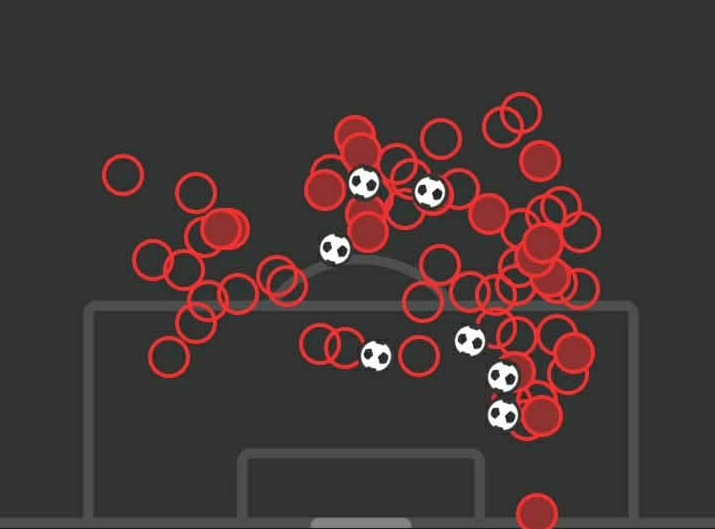
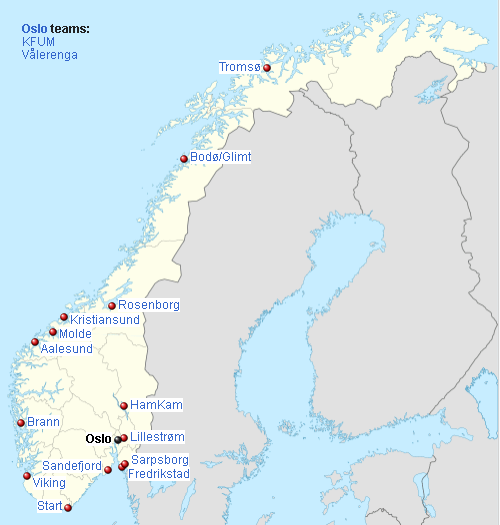















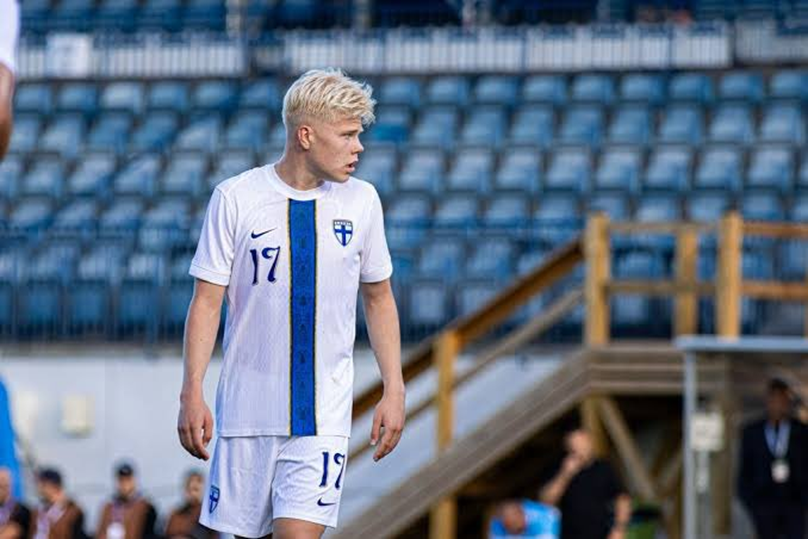
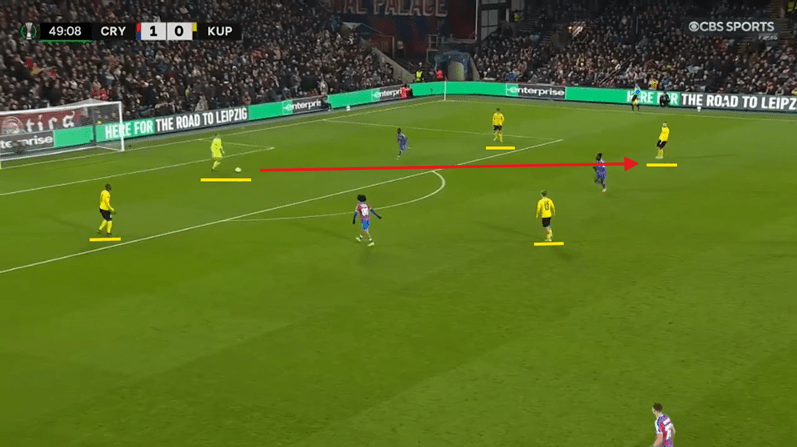
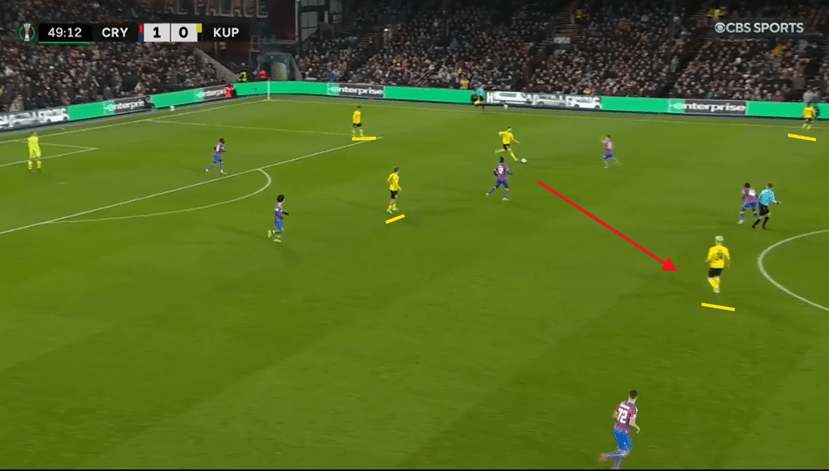
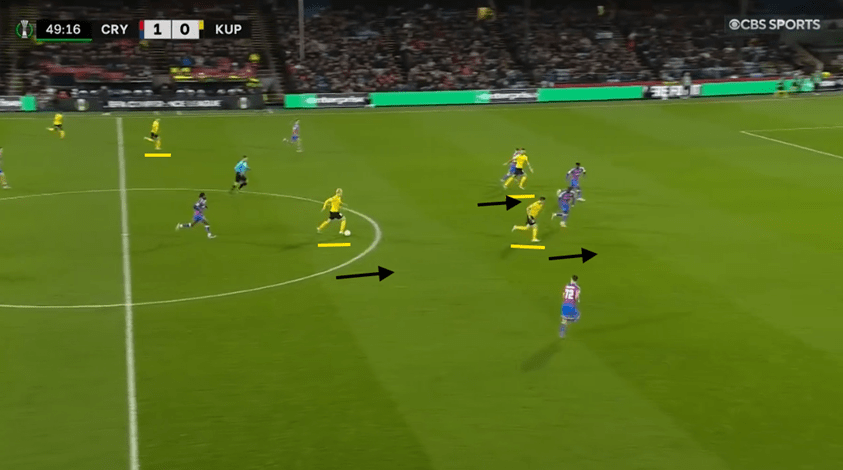
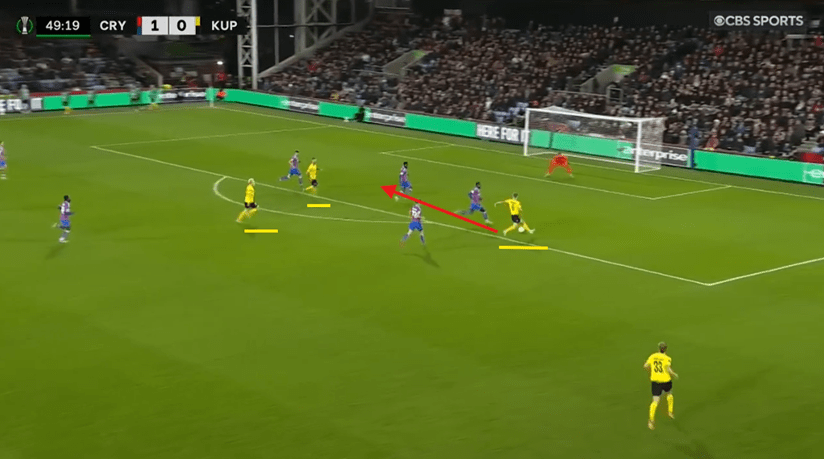
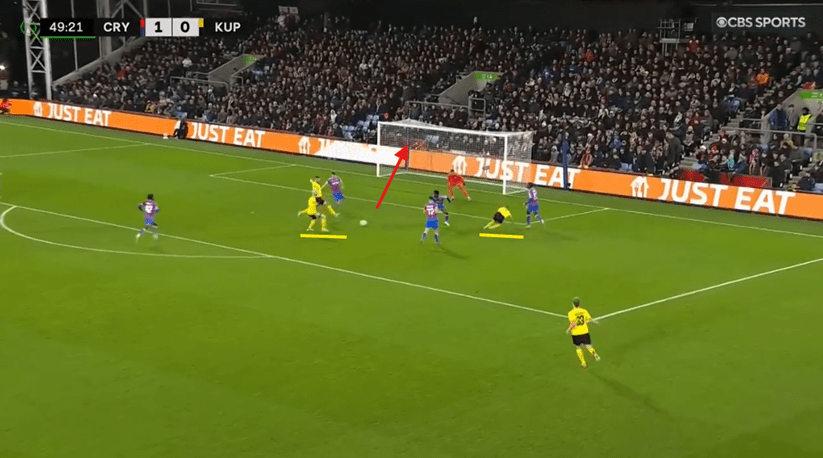
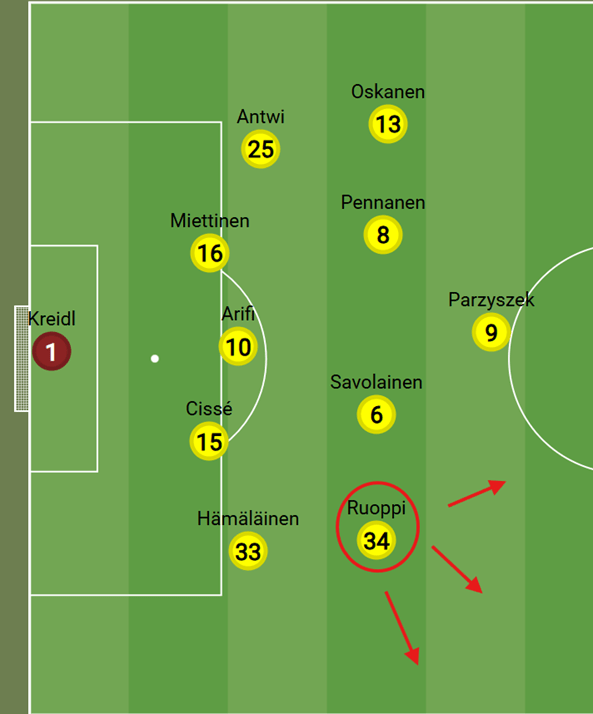
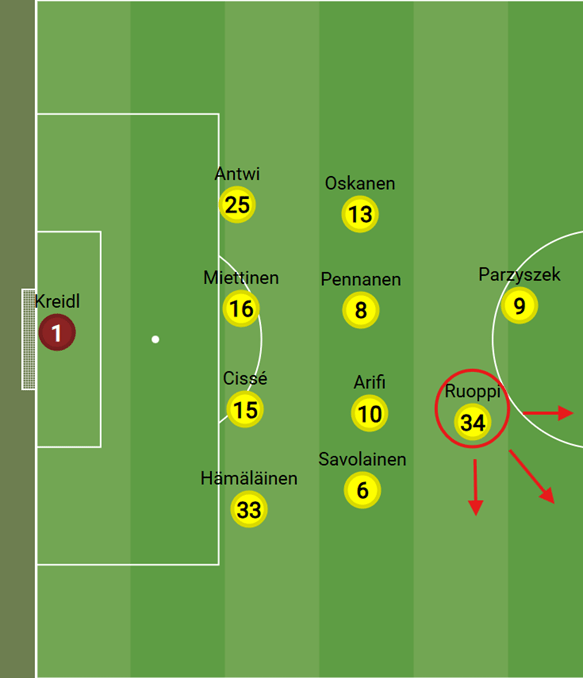
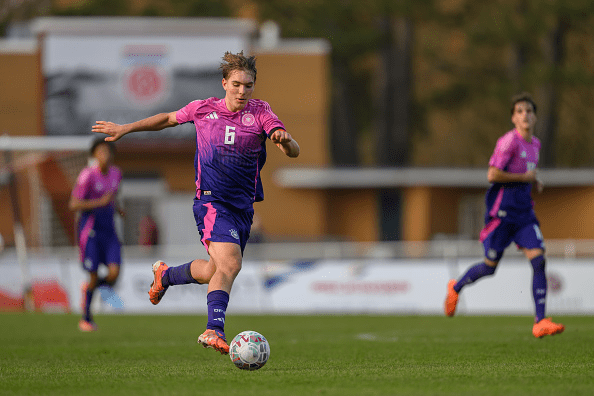
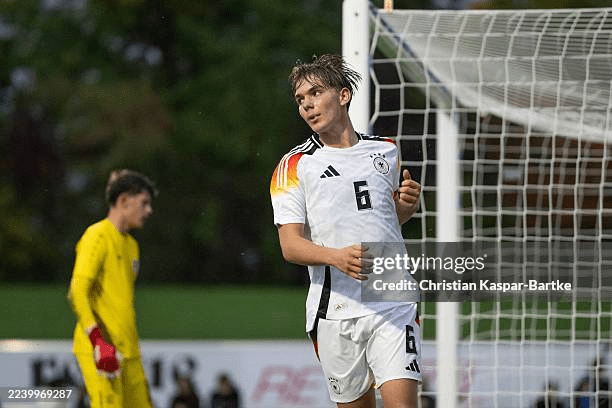

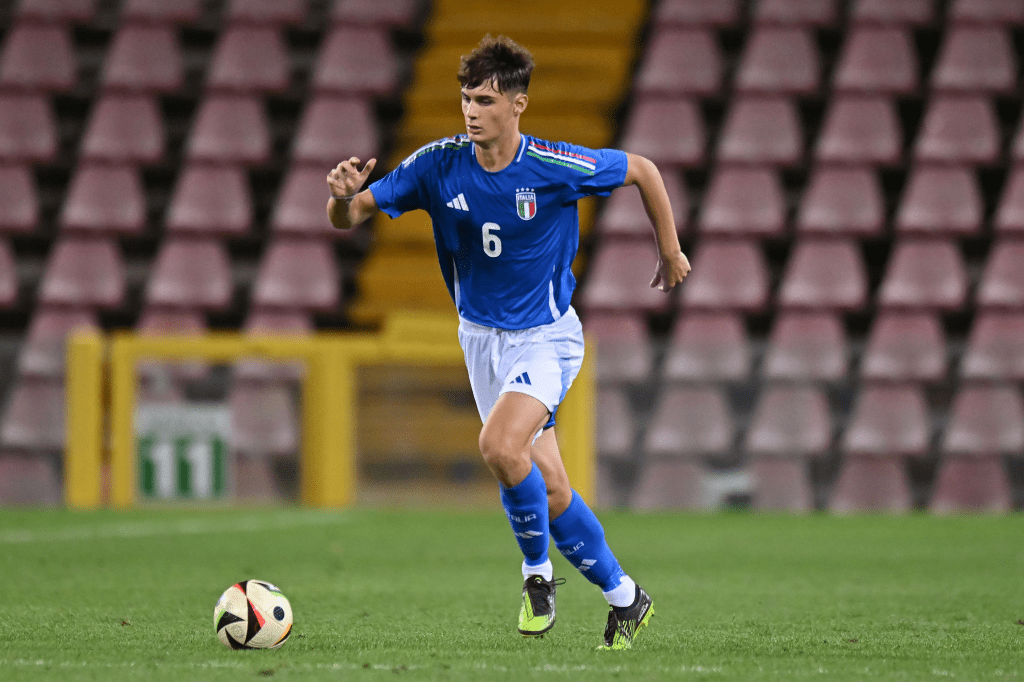

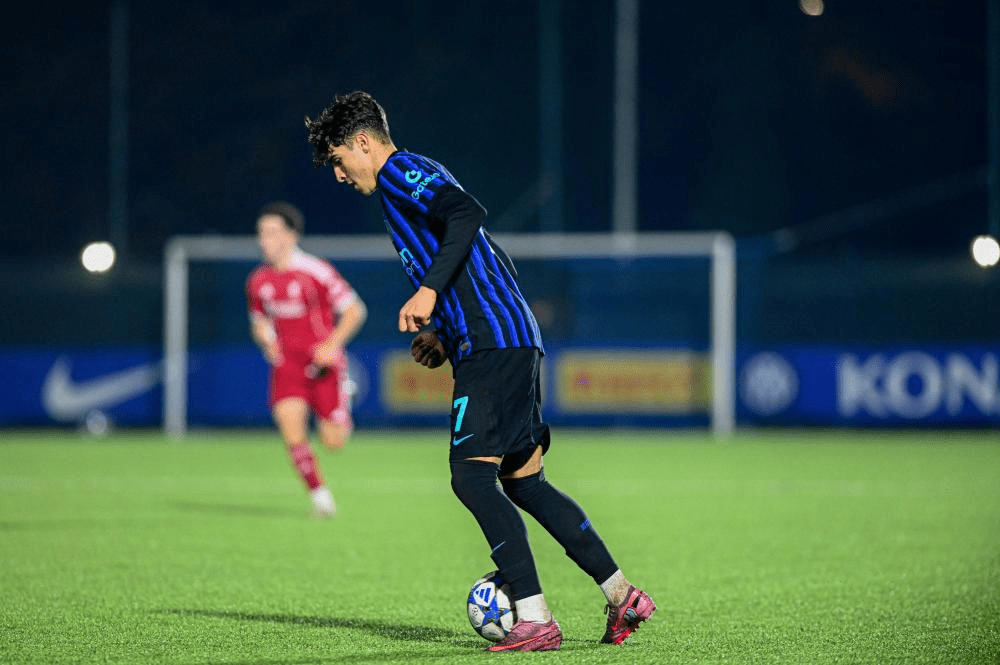
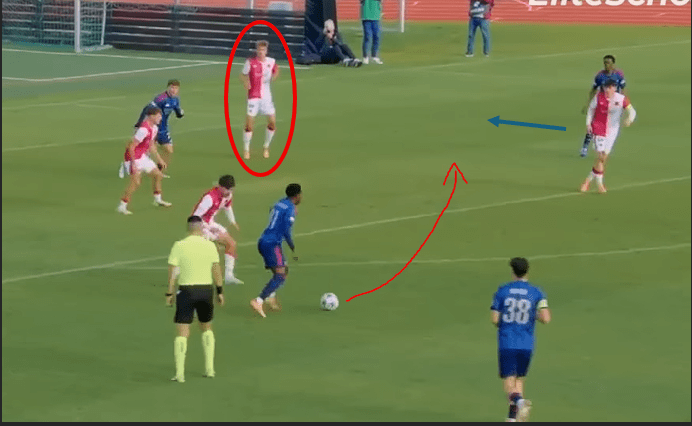
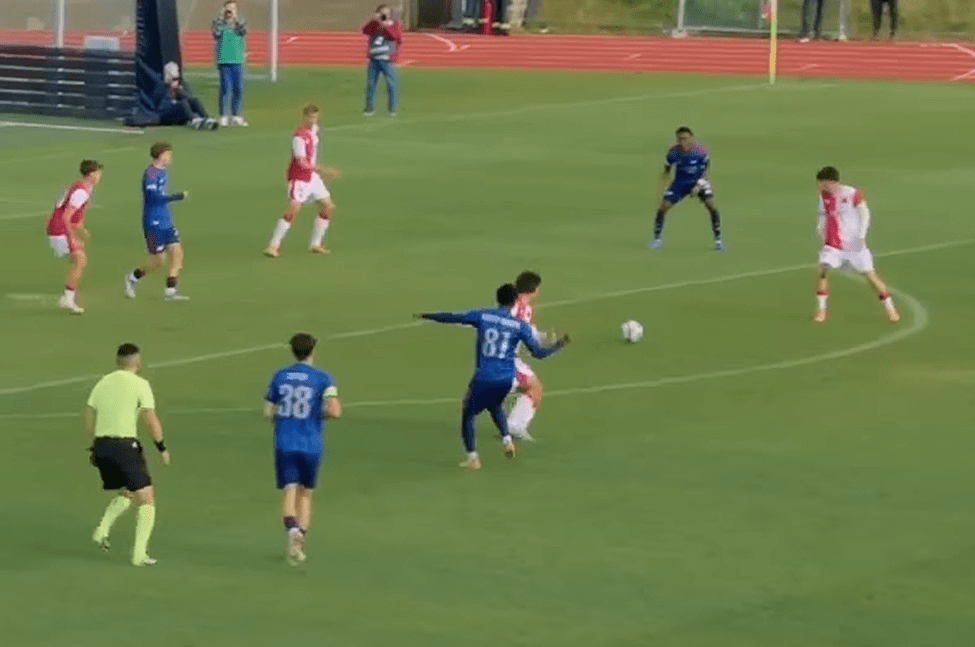
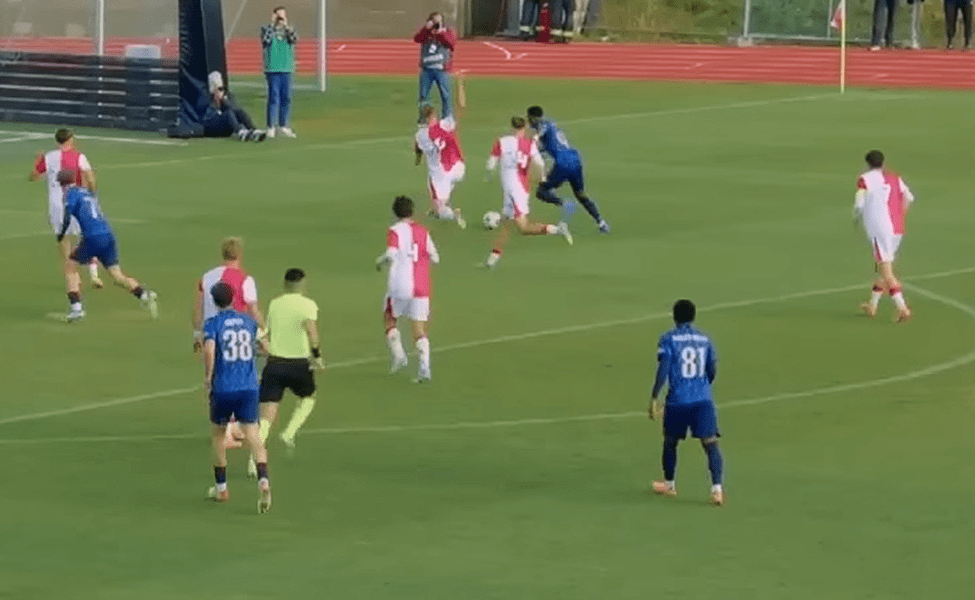
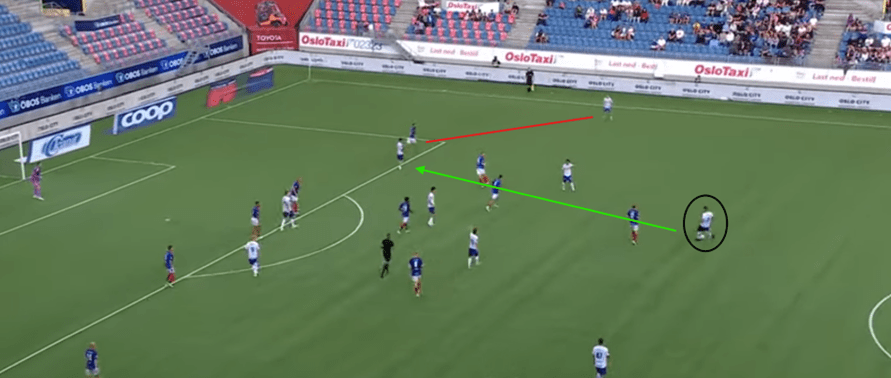
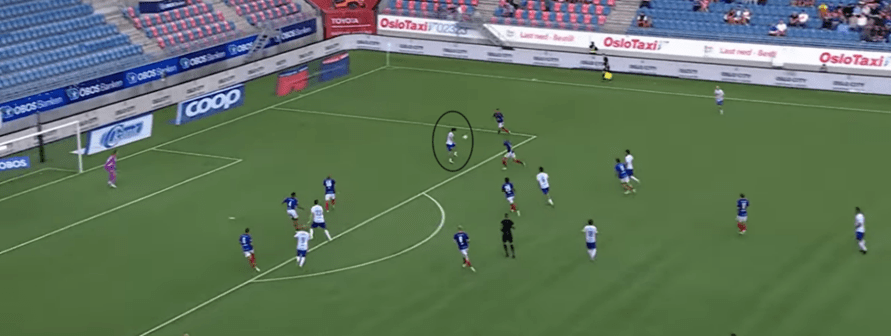
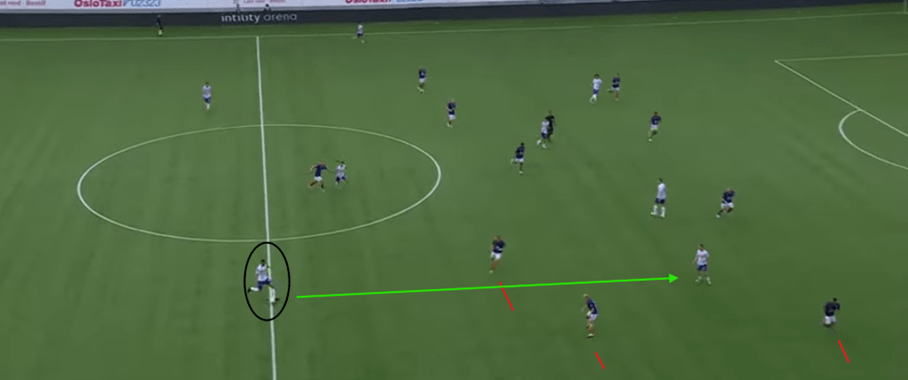
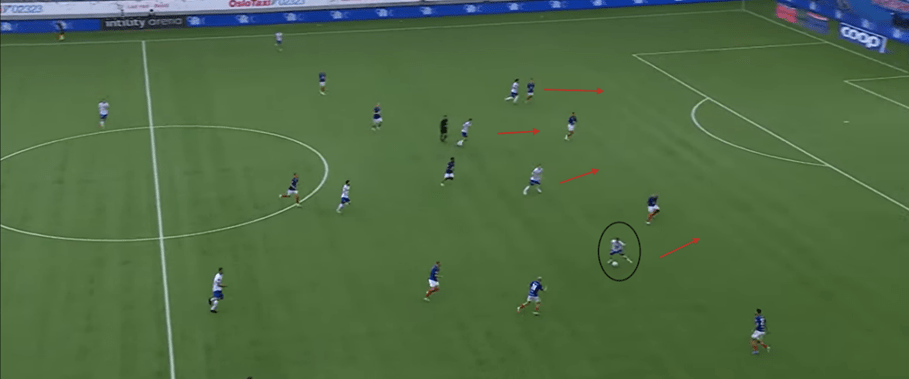
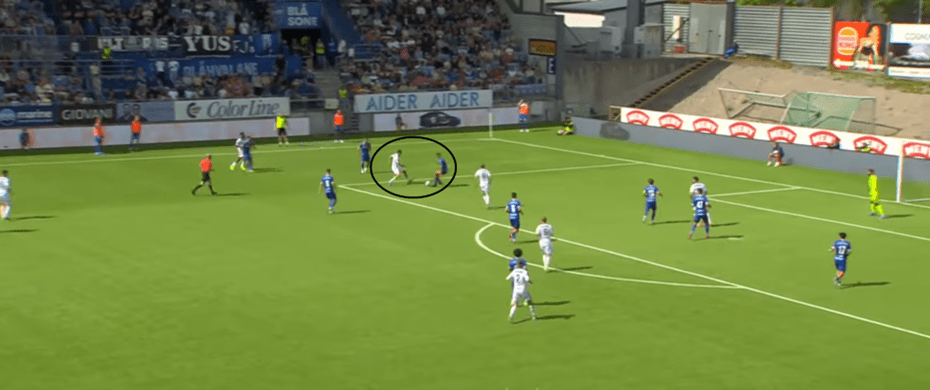
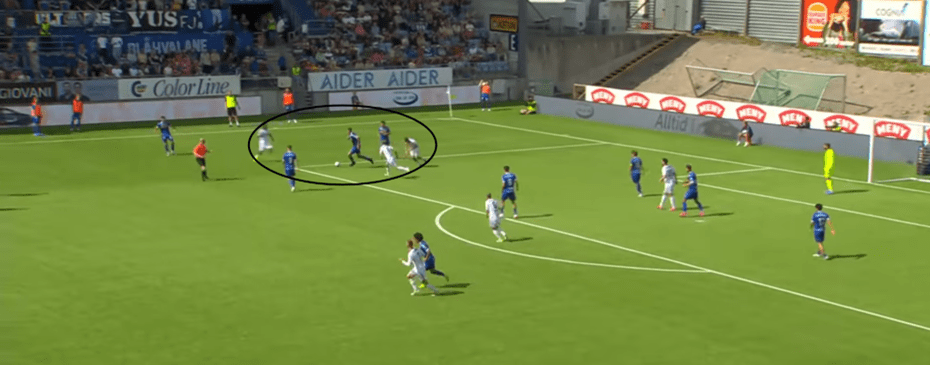
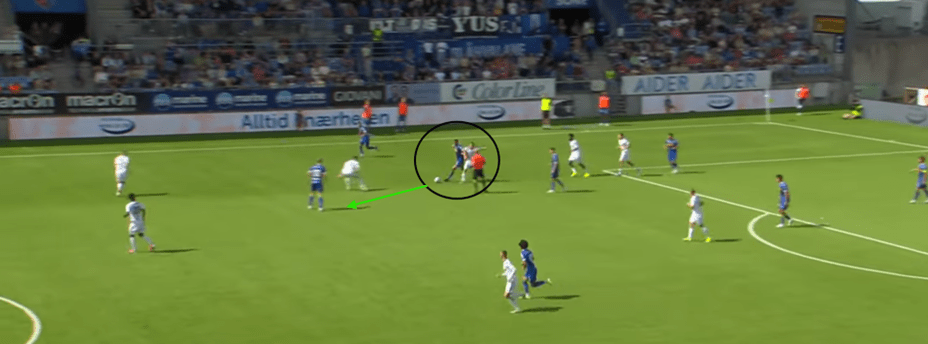
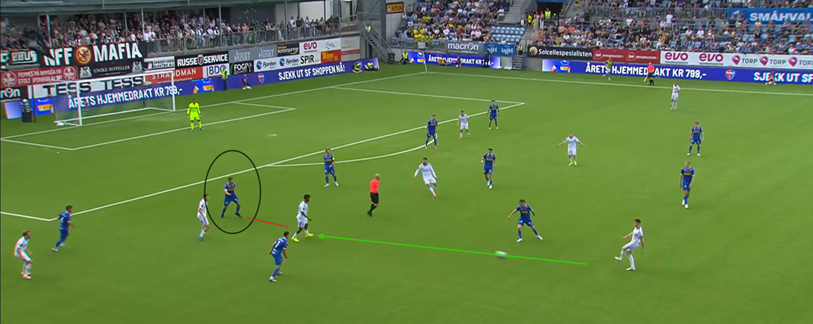
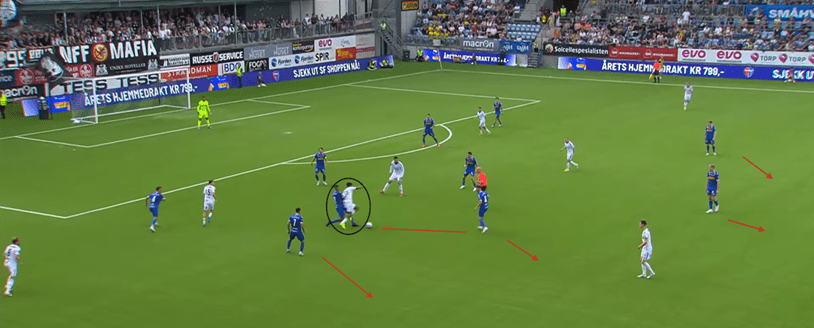
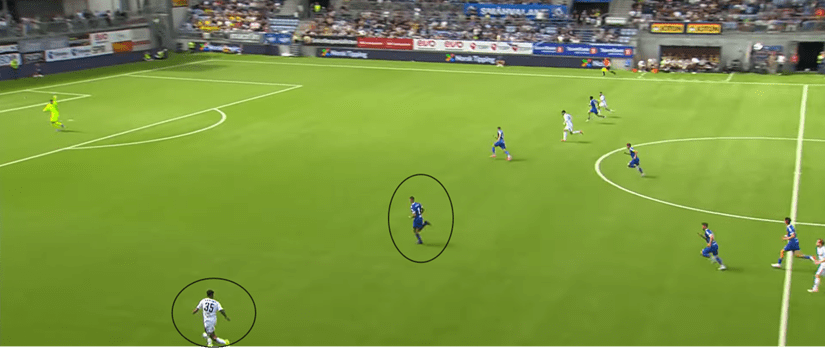
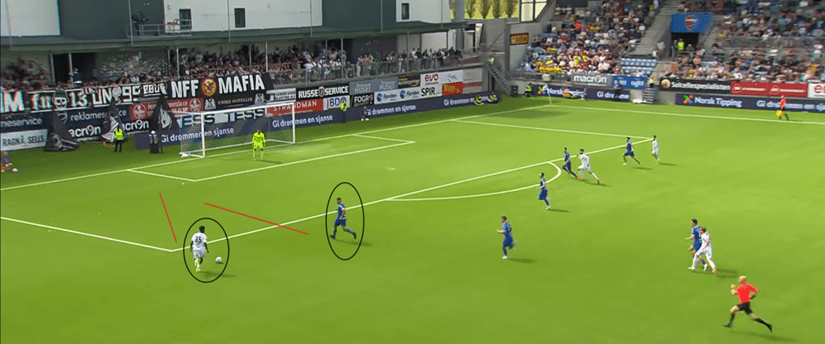
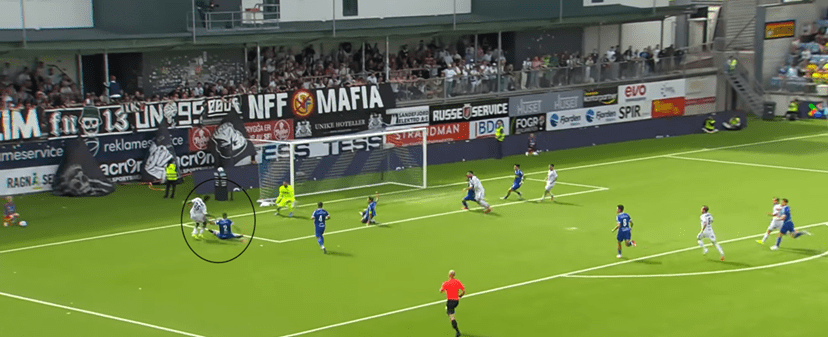

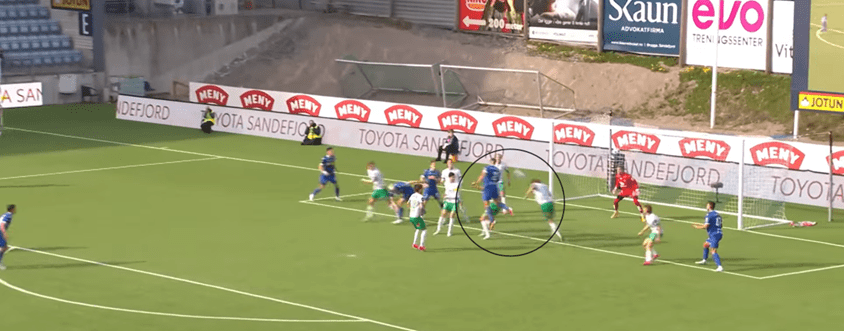
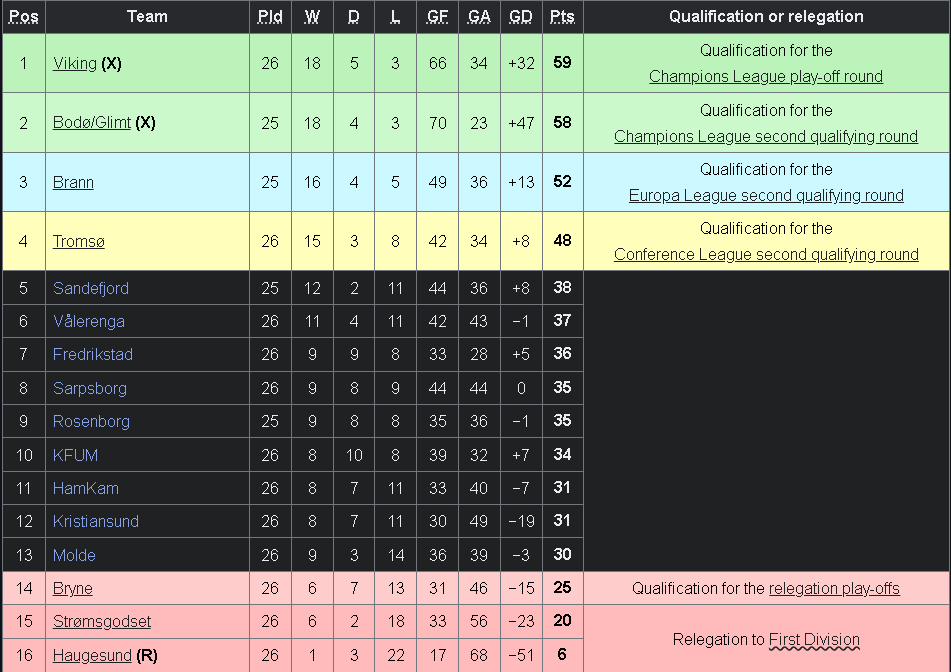
 futbird