As the sound of the song “USA” by Dubioza Kolektiv rang through the Zenica stadium at full-time of Bosnia’s dramatic win over Italy to reach the World Cup, the cameras panned to their 40-year old captain, Edin Džeko, who dropped to his knees in relief and exhaustion. He would get his final chance to play in a World Cup after that penalty shootout, and for many, this was the story-line. However, I thought I saw a different kind of relief on Džeko’s face: the relief of knowing that the next generation had just taken the torch and he no longer had to shoulder the weight of an entire nation on his own. It was fitting, that Džeko (presumably Bosnia’s scheduled 5th penalty taker in this match) didn’t even have to take his penalty kick, as Esmir Bajraktarević converted the 4th spot kick to send Bosnia to the World Cup after Kerim Alajbegović scored just prior. Alajbegović, an 18-year old German-born, Bosnian winger, received his first cap for the Bosnian senior team last year, with the match vs. Italy acting as his 8th cap for country, having already become a mainstay. With the score 1-0 to Italy at halftime, Sergej Barbarez subbed off a defender (Sead Kolasinac) for Alajbegović in an attempt to take advantage of the Bastoni red card and get back in the match. The difference was immediately obvious. Bosnia were struggling to create in their 4-4-2 shape, with their strikers being isolated and marked by the Italian defence. Once Alajbegović took up his position on the left wing, the Italians were in for a long 2nd half. Averaging ~ 1 touch per minute on the pitch, the attacking focus for Bosnia shifted to “get this kid the ball”.
Given the moment and stakes of the match, along with the situation he found himself being subbed into, I cannot say enough good things about the mentality and character shown by Kerim Alajbegović in this match. Time and time again he got open to receive the ball, and turned his attention to attacking the box. He was not scared of the moment, but attacked it without hesitation. This is not a winger who wants to hug the touchline and play backwards passes, he wants to create with the ball at his feet, even under the kind of pressure that would make many players lose their nerve. Never dispossessed and having completed 44/46 passes in this match, Alajbegović showed outstanding composure and vision. More than that, he was able to recognize that the Italian defence would eventually wear down under enough pressure, and delivered 15 cross attempts and 7 more corners in limited minutes. While looking at just the stats would tell you that 1/15 crosses were “accurate”, your eyes tell you the impact an “inaccurate” cross can have in the final third. While not reaching a teammate, Alajbegović’s crosses were not simple clearances that didn’t make it past the first defender, they had pace, whip, and really asked a lot of questions of the Italian CB’s, who often “cleared” these crosses right to Bosnian players around the edge of the box. While I will say that Alajbegović does seem to be more of the type of winger to try and carve out shooting opportunities for himself, his vision and creating is no weakness.
For his player profile, Alajbegović is best operating as an inside forward, from a left-wing position. The closest high-level player comparison I could make based on style is similar to Liverpool’s Cody Gakpo. He identifies central space around the edge of the 18-yard box well and really takes joy out of cutting inside onto his right foot. At times he will keep cutting across the box until you blink and he’s delivering a cutback from the RW’s position on the goal-line. He prefers shorter interplay to get into the box vs trying to get crosses in from the sideline. Note his Bundesliga season shot map below. Not only is it clear how much Alajbegović enjoys cutting inside around the edge of the box, but also my other point mentioned – he ends up on the far side of the pitch in the final third fairly often:
Alajbegović is a right-footed player, but is not weak on his left, having shown several technically strong left-footed strikes in the matches I watched. Alternatively, I could see him operating as a ST in a striker pairing, with the agency to move around the pitch freely. So far this season, Alajbegović has 9 goal contributions in the Austrian Bundesliga with RB Salzburg, having played almost 1400 minutes. He is definitely a volume shooter, averaging ~4.5 shots per 90 for club, and 71 touches per 90, which is fairly high for a forward. While perhaps not the most aesthetically pleasing player with every touch, Alajbegović knows what he wants to do and is very efficient in achieving his goal. You might not get hypnotizing dribble moves out of him, but he can create enough space for himself to do what he does best: shoot.
Alajbegović says his dream is to play for Real Madrid (“but if it’s Barcelona, that’s ok too!”) and given the player he is now at 18, I don’t believe that’s an unrealistic dream. At the very least, he has all the tools necessary to become an impactful player on European football’s biggest stages, and will not be staying at RB Salzburg any longer than this season. Bayer Leverkusen have already exercised their buy-back clause on Alajbegović, willing to pay Salzburg a 6M profit just for giving Alajbegović the playing time to develop. The Bosnian national team attack will almost certainly be lead by Alajbegović and Bajraktarević (their other bright young star, 21-year old RW currently at PSV) for the next decade or so. If Alajbegović can continue his very strong form for his country, then this summer’s World Cup could be his breakout tournament where he becomes a household name.
Get ready for a breakout season, starting at this summer’s World Cup, continuing upon his return to Leverkusen. Kerim Alajbegović is without a doubt, One To Watch.
In the UEFA World Cup Playoff Semifinal, Slovakia lost 4-3 to Kosovo, ending their 2026 World Cup hopes. The result is surprising, and the combination of many things coming together in the wrong way for the home crowd in Bratislava. First, manager Francesco Calzona, after having repeatedly worked miracles with his 4-3-3 system, switched to a 5-back system to start this match for the first time in years. This was a confusing decision. Huge match at home as the slight favourites, and Slovakia were set up in their most defensive system I have seen under Calzona, a 5-2-3 that fell into a 5-4-1 out of possession. This allowed Kosovo to get more possession than expected in this match and really feel like they had the opportunity to create. After Martin Valjent opened the scoring for Slovakia in the 6th minute, they sat back and let Kosovo have the ball. In the first half, Kosovo held the majority of possession, yet were down 2-1 thanks to a Haraslin direct free kick goal.
The loss of Leo Sauer early in the first half was undeniably a huge blow to the Slovak offence. The recent 3-time Slovak Young Player of the Year winner is one of the most talented players on the team despite being just 20 years old and Slovakia struggled to create after he left the match.
Kosovo scored in the 47′, again in the 60′, and again in the 72′ to go up 4-2 and effectively end all hopes of a Slovak victory. A David Strelec goal one minute before full-time was but mere consolation, as the hosts were knocked out of WC contention. This also could have been the last match played in a Slovak kit for Martin Dubravka, which could leave some huge shoes to fill. Marek Rodak has 25 caps to his name as the most experienced replacement for Dubravka in net, while Dominik Takac is 27 without an official cap for the senior team yet. Other options might include L’ubomir Belko, who recently moved to Viking FK in Norway from Žilina, or his successor in northern Slovakia, Jakub Badzgon. The point is, there’s a huge experience void that will be present when Dubravka retires from the national team and we cannot expect Slovakia to maintain a similar level to the past 10 years in net.
Stanislav Lobotka will be 33 by the next Euro and 35 by the next World Cup. Perhaps the most important player in the Slovak team, Lobotka is the midfield conductor and heart of the Slovak possession play. Ondrej Duda, regular set piece taker and midfield colleague of Lobotka, is the same age. The two have 163 caps combined. Peter Pekarik has 132 on his own, and has already been playing long past when he should’ve been allowed to rest due to a lack of depth at RB. The time is probably now to start giving the next generation the experience they’ll need to qualify for the next Euro tournament. Tomas Rigo and Mario Sauer are both really positive players in midfield and should becoming much more prominent in the squad.
As for Calzona, does he stay for at least another 2 years through the next Euro cycle? I honestly couldn’t say. If he does decide to step down, there would be a massive appointment to be made by the Slovak FA, crucial to the next generation of the Slovak national team developing. If all goes well, Slovakia should have a good chance of qualifying for Euro 2032 and WC 2034. As for the near future, Nations League C awaits. Improving their Nations League standing is important, as we saw this year in the WC qualifiers, with teams being guaranteed WC playoff places for performing well enough in the Nations League. A season in Nations League C could be good for the opportunity to develop younger players.
Overall, this loss to Kosovo was a missed opportunity: a chance to qualify for the first World Cup since 2010, with the last overlap of two generations of national team players. By the next cycle, the older generation will likely not be regular starters, and the Slovak team will have some growing to do before they might reach the heights we saw at Euro 2024. Ďakujem za prečítanie 🙂
Hello everyone, been busy, sorry for the brief absence. A full 2026 Eliteserien season preview awaits you today, so if you need to know more about the Norwegian top-flight, look no further!
Promotions/Relegations:
Last season, we said goodbye to three clubs who were relegated to the OBOS-ligaen, the Norwegian 2nd tier. For FK Haugesund, it was almost a foregone conclusion from the midway point of the season, finishing with just 9 points from 30 matches. Strømsgodset had a slightly better showing with 20 points, but were also automatically relegated. For Bryne, it was by narrow margins – finishing just 2 points shy of safety in their first season up, and having to play the promotion/relegation playoff against Aalesund. This was not very close, finishing 4-1 to Aalesund on aggregate, who gained promotion to the Eliteserien after a two year absence! Joining them coming up from the OBOS-ligaen are Lillestrøm, who ran away with the league, winning it by 25 points and going unbeaten. IK Start needed to win on the final day of the season to guarantee automatic promotion and did so comfortably, with a 3-0 win.
Promoted: Lillestrøm, Start, Aalesund
Relegated: Haugesund, Strømsgodset, Bryne
Map of Participating Clubs:
The Eliteserien remains a very southern-biased league in its composition, which is fair enough given the already cold climate in Norway. Bodø/Glimt and Tromsø, the northern rivals, remain the only two northern teams in the league for yet another season. Only two clubs represent the capital city of Oslo: KFUM Oslo and Vålerenga. and the longest away day depends on how you look at it! As the crow flies, it is Start-Tromsø. However if you were driving, the trip from Stavanger, the home of Viking, is actually longer due to the possible routes.
Here is a breakdown of each 2026 Eliteserien club last season, their transfers, and what we might expect from them this season:
Aalesund FK:
Last season, Aalesund played mostly a 3-5-2 formation under their manager Kjetil Rekdal. The midfield 3 combine for a lot of goals. Mathias Christensen scored 6 (10 assists), Hakon Hammer scored 6 (1 assist), and Henrik Melland scored 11 (4 assists) last season for Aalesund. Their current main scoring threat up front is Danish striker Paul Ngongo Iversen, who scored a goal every 3 matches in the OBOS-ligaen last season. However, they have brought in a relatively unknown striker in Ivan Djantou, from Sönderjyske in Denmark. He doesn’t have a prolific scoring record, but is another tall forward added to Aalesund’s squad. They appear to be preparing for a relegation scrap, with their other most notable signing being the Viking goalkeeper, Kristoffer Klaesson. Now, in terms of Goals Prevented, and some of Klaesson’s other numbers, you can see why Viking were happy to sell him. (Their new keeper signing from Slovakia will be mentioned later on). However, acquiring a keeper who won the league literally last season is experience that a newly promoted club rarely gets the opportunity to acquire. I think this is a win-win for both parties here, and Klaesson may have a breakout season getting to face more shots and be the undisputed #1 with Aalesund. I’m not sure if Aalesund have added enough offensive firepower to have a strong chance at a top-half push, but they could well do enough to avoid relegation.
FK Bodø/Glimt:
Last season, Glimt missed out on the title by a very narrow margin. In a way, they are suffering from their European success, domestically. A deep Europa League run that coincided with the start of the 2025 season, followed by participating in the Champions League during the later stages of the Eliteserien season. As a result, you might think that they would have looked to bring in some more players to manage the increased fixture congestion. However, that appears not to be the case! With no signings in January, Kjetil Knutsen will be heading into the start of the 2026 Eliteserien season with the team he finished last year with – aside from the departure of Mathias Jorgensen to Blackburn.
The lack of a sale of Kasper Hogh could more or less be considered a signing, as there was ample interest in the Danish striker from the UK following his impressive UCL performances. All bids were rejected, and Hogh will be seeing out the Champions League season with Glimt. A summer departure is not off the table.
Longtime veteran and Glimt mainstay at CB, Brede Mathias Moe, retired following the end of the 2025 season. Young Villads Nielsen of Denmark will be looking to pick up some more minutes and fill that gap, while Odin Bjortuft and Jostein Gundersen are the starting CB pair for now. It will be interesting to see the season that Mikkel Bro Hansen, the 17 year old striker, has – if Kasper Hogh leaves, he is really the only other natural striker on the team, and I would expect his minutes to increase this season. Aside from that, expect a motivated and hungry Glimt side who will be looking to reclaim the Eliteserien title amidst balancing Champions League play.
SK Brann:
Brann had a strong season last year, but have lost some key players ahead of this season. Most notably, their young star CB Eivind Helland was sold to Bologna for a sizeable 7M euro fee. They also lost Aune Heggebo during the summer window, who was one of the league’s best strikers before departing. Midfield regular Emil Kornvig was sold to Lodz in the Polish Ekstralasa, while CB Japhet Sery Larsen was sold to Philadelphia in the MLS. So what have Brann done in response?
Danish midfielder Jacob Lungi Sorensen was signed from Norwich City, where he’d spent the past 5 seasons, even gaining some Premier League experience. I expect him to have a solid impact in the Eliteserien this season and be a big player for Brann. Former Lillestrom LB Vetle Dragsnes was brought back to Norway from Union Charleroi, while promising 19 year old Ghanaian CB Nana Kwame Boakye was signed from Sheriff Tiraspol in Moldova. Boakye and Sorensen both have Europa League experience, which should help Brann as they will play in European competition this season. Striker Noah Holm was signed to replace Heggebo, a Rosenborg academy product who has shown flashes of good potential. Finally, Icelandic midfielder Kristall Mani Ingason was signed from Sönderjyske.
Overall I think there are some very good signings in this bunch, especially given the experience that Brann have added. The squad might take some time to gain chemistry, but I would expect Brann to be up in the Top 5 competing for European places again this season. Watch for Boakye to potentially have a breakout season for Brann.
Frederikstad FK:
After a surprise 6th place finish in their first season back in the Eliteserien, Frederikstad gained some experience in UEFA competitions last season against good opposition: falling to FC Midtjylland and Crystal Palace in the qualifying rounds. They finished the 2025 Eliteserien season in 8th place, and will be looking to challenge for the European places again this season.
Frederikstad had some trouble scoring last season, averaging just 1.3 goals per match, but also had the 2nd best defence in the league, conceding just 1.2 goals permatch. They are a low possession, direct side who often play on the counter. Having sold Maxwell Woledzi, their standout CB, to Nashville SC this winter, Frederikstad had some money to bring in reinforcements.
In comes Max Nilsson from Landskrona in the Swedish Superettan for a 500k euro fee: a versatile midfielder/WB who has been a regular starter for Landskrona since he was 18. Now 20 years old, Nilsson and Frederikstad will be hoping he can take the next step in his career in the Eliteserien. Continuing the trend of younger talent being brought in, Stabaek duo Aleksander Andresen (LB, 20 years old) and Joachim Nysveen (RB, 19 years old) were both brought in for free.
Most exciting was the signing of Chris Irénée Ntamack Pondy. A high-potential, 18 year old Cameroonian CB, Pondy was wanted by some of Europe’s biggest clubs, before Frederikstad hijacked the deal and brought in the youngster. They can offer playing time that say, Chelsea, can not, and this is a smart move for Pondy to develop further while playing regularly.
Overall, I’m not sure if Frederikstad have done enough to address their goal production issues, but if the defending remains as strong as last year, they will have a good chance to finish in the top 6.
Hamarkamaratene (HamKam):
HamKam had a disappointing season last year, finishing 11th, 6 points above the relegation places. Stay up though, they did, and have made some moves to improve their starting XI before the 2026 season. Promising young CB Ethan Amundsen-Day was brought back to Norway from the Aston Villa youth system, while Martin Gjone was acquired for 120k from Sandefjord. Experienced Swiss attacking midfielder Loris Mettler was also brought in from Sandefjord, along with Ian Hoffman, a 24 year old RM/RWB from Lech Poznan. All four players started in HamKam’s recent cup fixture against Lillestrom.
Expect a back-heavy tactical setup from HamKam, a 3 CB backline is a staple, and the 3-5-2 formation will likely be seen often. HamKam will rely on veteran goalkeeper Marcus Sandberg yet again, who was one of the better keepers in the Eliteserien last season. Give the new-look team some time to gel, and HamKam may surprise with a mid-table finish, though the 9th-12th range does seem more reasonable.
KFUM Oslo:
KFUM Oslo were promoted to the Eliteserien ahead of the 2024 season, and have managed to stay up in each of their first two seasons: 8th place in 2024, followed by a more nervous 12th place finish in 2025, just 4 points above relegation. KFUM were busy in the offseason, signing 8 new players permanently along with the loan of Lech Poznan keeper, Krzysztof Bakowski. Three of the new signings made their first starts for KFUM in their recent cup win over Tromso: RW Rasmus Eggen Vinge, signed for 500k from Stabaek after recording 5 goals and 4 assists in the OBOS-ligaen last season. Left-back Eirik Saunes was signed from Bryne for 250k, and Tore André Sørås debuted for KFUM after his move from HamKam. Very experienced AM/ST Magnus Wolff Eikrem was brought in from Molde FK. With 264 league appearances and 76 goals for Molde FK, Eikrem brings invaluable Eliteserien experience to this KFUM Oslo side. The reinvigoration of the side with new signings should help propel KFUM back into the fight for a top-10 place in the Eliteserien this season.
Kristiansund BK:
Kristiansund came even closer to the drop than KFUM, finishing just 2 points clear in 13th place last season. Excluding Haugesund, who were an outlier in how poor they were last season, Kristiansund had the worst attack, and 2nd-worst defence in the league. These are considerable issues to fix in one transfer window, and it does not appear as if Kristiansund has been able to address them. Without a sale in the January window to bring in money for new signings, Kristiansund were limited to what they could do with free transfers. Young midfielder Heine Gikling Bruseth was signed from San Diego FC (MLS), alongside fellow midfielder Jesper Isaksen, from Stabaek. Alexander Munksgaard was signed as a new RB from Banik Ostrava, along with a few more free signings. Regular starter at CB, Marius Olsen, signed with GKS Katowice on a free, while fellow CB Axel Guessand moved to Pafos. In addition, Mikkel Rakneberg, a regular at LB last season, moved to VfL Bochum. It is hard to say that Kristiansund won’t be battling relegation this year. At best, we can say that they replaced the numbers in the squad that they lost, but should struggle to avoid a bottom-3 finish.
Lillestrøm SK:
Lillestrøm are returning to the Eliteserien after their shock relegation in the 2024 season, going unbeaten in the OBOS-ligaen to win automatic promotion. They were able to cash in on young Senegalese ST Moctar Diop, receiving a 1M euro fee from Gent. Their starting keeper ,Mads Hedenstad, has signed with Aarhus GF on a free transfer, while LB Kristoffer Tønnessen moved to Start on a free. A new keeper in Pontus Dahlberg was signed from IFK Göteborg for 250k. The almost 2m tall, 27 year old keeper will look to do his part in keeping Lillestrøm up this year. Swedish-Palestinian winger Camil Jebara was signed from Elsborg for 260k, rounding up the paid transfers. A mix of youth and experience was added through free transfers, including the likes of LB John Kitolano joining from Aalesund, and young Gustav Nyheim joining from Molde. Given last seasons results, it is clear that Lillestrøm are no ordinary “newly promoted” side, and I do expect them to avoid a relegation battle this season to reclaim their regular Eliteserien spot.
Molde FK:
Molde are seriously loading up their squad ahead of the 2026 season. From 2017-2022, Molde finished in the Top 2 places in the Eliteserien. The next two seasons, they finished a respectable 5th place. However last season, Molde plummeted to a 10th place finish, their worst since the 2010 season. They are acting like they want to remedy that, having spent over 8.5M euros on new signings since the 2025 summer window opened, with 6M of those signings coming in the winter window that just closed. The marquee signing is 21-year old Ghanaian ST, Jalal Abdullai. Signed for a 3M euro fee from Elfsborg, Abdullai will have the responsibility of being Molde’s main main up top. To support him in attack, highly rated Liverpool youngster Trent Kone-Doherty was signed permanently for 750k. This will be Kone-Doherty’s first full season at senior level, having made 2 senior appearances for the Reds over the last two seasons. In defense, 23-year old CB Sivert Sira Hansen was signed from IK Start for 1M, Fredrik Kristensen Dahl was brought in for 430k, and a new keeper was signed from Anderlecht in Mads Kikkenborg. This should be a fun attacking side to watch this season, and I do think they have everything they need to get back up into the European spots this season.
Rosenborg BK:
Rosenborg has made some significant cash following their 7th placed finish last season. Wonderkid Sverre Halseth Nypan went to Manchester City for 15M euro, while young RW Marius Broholm moved to Lille for 6M, and keeper Sander Tangvik was bought by Hamburger SV for 2.6M. Starting ST Noah Holm was sold to Brann for 1.3M, while veterans Ole Saeter and Erlend Dahl Reitan left on free transfers.
After signing Slovak David Duris during last season to boost their attack, Rosenborg have found an interesting loan signing at ST: Amin Chiakha, a 19-year old Algerian-Danish player from Copenhagen. In midfield, 2M was spent on 20-year old Danish midfielder Mads Bomholt, a very promising chance-creator coming off of a strong season with Aalborg BK in the Danish 2nd tier. Johan Bakke was signed for a 400k fee to join Bomholt in midfield from Strømsgodset, while veteran RB Jonas Svensson returned home from Besiktas on a free. Also interesting is the return of Leopold Wahlstedt to Norway. While playing for Odds BK, Wahlstedt was THE standout keeper in the Eliteserien, before a move to Blackburn Rovers didn’t quite pan out. After two seasons with Aarhus GF in Denmark, Wahlstedt is returning to the Eliteserien. This should help to replace Tangvik in net, though it remains to be seen if Rosenborg’s new outfield signings can replace the talent they lost. I think Rosenborg’s final league position could vary considerably: I would be surprised to see them in the Top 3, and I would also be surprised to see them in the bottom half.
With the budget acquired from their sales very much not depleted, Rosenborg can continue looking to rebuild themselves back to their former glory, when they were the class of Norwegian football in the 80’s and 90’s.
Sandefjord:
After a 5th place finish in last year’s Eliteserien, Sandefjord are looking to build upon it and challenge for Europe this year.
New signings Nikolaj Moller (ST) and Jakob Vester (CM) were brought in from Dundee United and Viborg, respectively, while new CB Xander Lambrix joined from TOP Oss in the Dutch 2nd tier. Sandefjord have also invested in another homegrown CB in Håkon Krogelien, a 21 year old defender signed from Jerv. A relatively unknown quantity as of right now, Sandefjord have one to watch with their singing of 18-year old Ghanaian winger Foster Apetorgbor. Apetorgbor will get his first experience playing in Europe with Sandefjord, and with the amount of talented attacking players who have come from Africa through the Eliteserien in recent years, I will certainly be keeping an eye on Foster Apetorgbor.
In terms of sales, Stefán Ingi Sigurdarson (ST), Christopher Cheng (LB), Martin Gjone (CB), and Loris Mettler (AM) were all sold for a combined total of almost 4M euros. Sigurdarson and Cheng were two of Sandefjord’s top players last season. Sandefjord only spent ~1.2M on new signings, meaning they still have money in the budget for a summer signing without having to sell any players. I think a top 4 position will be difficult to achieve, but certainly possible if Sandefjord have a good season.
Sarpsborg 08:
Some might say that the “08” in Sarpsborg 08 represents their league finishing position after the last four years. Sarpsborg has finished 8th, 8th, 9th, and 9th, very consistently staying in the mid-table while never being in a real relegation battle. English manager Martin Foyston was appointed just before the end of last season, after getting Osters IF promoted to the Allsvenskan over two seasons there. Foyston achieved an average of 1.7 points per game after joining Sarpsborg, which if pro-rated over a full season, would have been good enough for 5th place in the Eliteserien. This could be the start of Sarpsborg 08’s journey out of mid-table into fighting for European places.
24-year old winger Noa Williams was signed from Kongsvinger for 500k euro, after a 15 goal contribution season in the OBOS-ligaen. Champions League experience was also added to the squad with 26 year old midfielder Chris “Chriso” Kouakou, from Qarabağ. Veteran CB Sigurd Rosted was brought back home from Toronto FC in MLS. Finally, promising young Belgian-Moroccan winger Camil Mmaee was signed from Maastricht after he recorded 8 goal contributions in just over 1000 minutes played in the Eerste Divisie. I genuinely like the transfer business done by Sarpsborg 08. If they can continue their progress under Foyston this season, I could very well see them finishing in a Top 6 spot.
IK Start:
After a 2nd place finish in the OBOS-ligaen last year, IK Start earned promotion back to the Eliteserien after a 5-season absence. Experience was their priority in transfers, adding a trio of 28-year old players: Erlend Dahl Reitan (RB, Rosenborg), Kristoffer Tønnessen (LB, Lillestrom), and Erlend Segberg (DM, Trapani). Jesper Cornelius, a 24-year old striker from Lyngby BK in Denmark, was also added, alongside Valencia youth product Alexander Gurendal, a 20-year old LW. We might even see Jasper Torkildsen (GK) make his Elitserien debut for Start after a loan to Stromsgodset last year.
Regular CB Sivert Sira Hansen joined Molde FK for a 1M euro fee, as Molde looked to snap up the 23 year old CB with hopes he could improve further. Start did not see many more departures though, leaving them with a bolstered squad. I believe Start will likely be in a relegation battle, although I will not pick them as a surefire favourite to go down.
Tromsø IL:
Tromsø are also enjoying the Northern-Norway era of dominance in the Eliteserien, recording their second 3rd-place finish of the past three seasons. After seeing top prospect Runar Norheim sold to Nordsjaelland for 2.25M, as well as Jakob Napoleon Romsaas moving to Royal Charleroi for 1.5M, Tromsø brought in CB Mathias Tønnessen from KFUM Oslo for 1.1M, 19-year old AM Troy Nyhammer from Haugesund for 930k, Jesper Grundt (CM, 23-years old) from Kongsvinger for 850k, and young Swedish-Thai RB Alexander Thongla-lad Warneryd from Västerås SK for 750k. Four more transfer fees were paid out, along with the free signing of Mauritanian national team goalkeeper Abderrahmane Sarr. Tromsø have a proven track record of both scouting and developing African players in the Eliteserien, and Sarr joins Mamour Ndiaye as another exciting African keeper in Norway. A major factor in Tromsø’s season is whether they will be able to keep Abubacarr Sedi Kinteh at the club amidst interest from the likes of Chelsea and Manchester United. Kinteh has been one of the best CB’s in the league since he joined and will be moving on soon, it’s just a question of when.
Overall, this Tromsø squad has been improved from the team that finished 3rd last season, and I think they will yet again finish on the podium in a Top 3 place.
Vålerenga IF:
Vålerenga were relatively quiet in the transfer market after their 6th place finish last season. Their only paid signing was Magnus Westergaard, a 27-year old Danish CM joining from Wycombe Wanderers for 400k euro. Veteran ST Ole Saeter joins from Rosenborg, bringing valuable experience and at 29, some good years left in him. Considering how many of the teams around them in the table have really tried to improve their squads, it feels like Vålerenga have regressed slightly in comparison. While they should be good for a top half finish again, I would be surprised to see them competing for European places by the time the season comes to a close.
Viking FK:
Last (alphabetically), but certainly not least, are the reigning champions Viking. They have returned almost their entire squad from last season, while adding a few new signings to the mix. Not wanting to disrupt the team chemistry there was, Viking have kept the incoming players to a minimum.
L’ubomir Belko, the 23-year old Slovak keeper out of Zilina, was signed to be the new starter for a 1M fee. As is usual, some of the best Slovak players can be acquired for relatively low fees. From their academy in Africa (named “African Viking”), 18-year old LW Kelvin Frimpong is making the move to the Eliteserien for a 200k fee. Another unknown quantity as of right now, it is always exciting to see a player get his first chance in Europe while playing in the Eliteserien. The start of several strong careers has happened in Norway. As for departures, it is mostly just goalkeeper Kristoffer Klaesson, who moves to newly promoted Aalesund in a bid to help keep them up. Without any key player departures, Viking will be a threat for the league again this season.
Their biggest challenge may well be balancing the Champions League qualifying rounds with league play once the summer arrives. With the offset of the Norwegian schedule relative to UEFA competitions, the qualifying rounds for UEFA competitions begin midway through the Eliteserien season. This has proven to be a hurdle for almost every Norwegian club who competes in European competitions, and will be especially if Viking qualify for one of the UEFA competitions proper. If Viking go out early in the UEFA qualifying rounds, then they will have little to no fixture congestion this season, unlike what Bodø/Glimt will be dealing with. This was a main factor in their title win last year, having gone out of European competition early while Glimt were making a UEL semi-final run, then playing UCL League Phase matches during the 2025 Eliteserien season.
Overall Prediction:
Here are my general predictions for which clubs might be battling for different positions in the Eliteserien this season.
Teams Competing for Title: Bodø/Glimt, Viking, Tromsø
Teams Competing for Europe (Top 4): Brann, Molde, Rosenborg, Frederikstad, Sandefjord
Teams Battling Relegation: Kristiansund, Aalesund, Start, KFUM
The Eliteserien remains a very exciting league to follow, with local Scandinavian talent combining with promising international players to create a great environment to find new talent in. After Glimt’s UCL success this year, there will likely be more eyes on the Eliteserien than ever before this year, and you know who to go to if you need to know more. As always any scouting requests or questions can be directed by email to scouting.futbird@gmail.com.
Having recently watched the UEFA Youth League match between Inter Milan U19 and Liverpool U19, I noticed several standout players worth further scouting. Here is a breakdown of what these players showed, specifically in their 5-0 win over Liverpool U19:
CB – Leonardo Bovio
CDM – Pietro La Torre
LW – Aymen Zouin
Leonardo Bovio:
Bovio, a 2008-born defender from Vercelli, Italy, is already an Italian U18 international, receiving his first callups in September 2025. Having quickly progressed through the Inter Milan youth ranks, Bovio currently plays with the Inter Milan U20 side in the Italian Primavera 1 (the top youth league in the country). He will turn 18 years old in a month’s time and is already looking like he is on the path to regular senior football. While still requiring muscle development, Bovio stands at 1.87m tall at 17 years old, a good frame for a centreback. What impressed me the most in the Liverpool match was his anticipation and reading of the game. This player has a real understanding of the game of football, and can anticipate opposition moves several actions in advance. Bovio’s positioning was rock-solid, allowing him to constantly be in position to pressure attackers, make blocks, or intercept the ball. If a club is looking for a CB who can turn defense into attack quickly, Bovio is who they want. I noticed him anticipate a pass, step up quickly, make the interception, and immediately look forward with his next action, countless times in this match. He has the first touch and ball control to do so without committing turnovers, and is comfortable taking a dribble if it is the most likely way he will progress the ball forward.
Bovio was very reliable in the passing game in this match, in both short and medium range passing – with accurate and well-weighted passes to teammates. He could stand to work on attempting more long passes, especially within this Inter team setup. As the RCB, Bovio was in the perfect position to attempt longer, diagonal switches to his LW, the to-be-discussed Zouin, who was a constant threat to the Liverpool defence. Bovio completed 3/4 long passes in this match, but could have created even more chances for his side if he attempted more. It is possible that he just prefers playing shorter and remaining involved in the Inter attacking move, but further scouting is required to assess his long passing. Bovio had impressive jumping reach for this match, was never beaten in an aerial duel, and only conceded 2 fouls in the match. As mentioned, his very strong positioning and game sense provides the foundation for Bovio to have a significant impact on a match from the back.
From what I observed in this match, Bovio has all the makings of a future Serie A CB, and if given the proper development path, could well become a senior Italian international in the future. With CB’s, it is hard to gauge potential at such a young age. It is very rare for a teenage CB to be playing senior top flight football (think Luka Vuskovic, for one), which is often the best way to assess their future potential. At the youth level, CB’s are likely to have even more of a physical advantage over attackers than at senior level. I would be very excited to see Leonardo Bovio be given some minutes with Inter’s senior team, or given a loan move so that he can obtain valuable first-team senior experience. He looks capable of playing in the Italian Serie B/C already, with a much higher ceiling than that. Keep an eye on Leonardo Bovio’s progression, I know I will be.
Current Ability Estimate: Serie B squad player
Potential Ability Estimate: Italian Senior National Team starter
Pietro La Torre:
A tempo-setting, match-controlling defensive midfielder might not be everyone’s favourite type of player, but their importance to a team cannot be understated. In this role, Pietro La Torre shines. Inter set up in a 4-3-3 for this match, but with La Torre playing as a halfback in possession. When Inter had the ball, La Torre would often drop between his two CB’s, providing the calm presence of an orchestra conductor and allowing them to impact the wider areas of the pitch in buildup. A conductor is really the best way to describe Pietro La Torre’s playstyle. He moves his teammates around the pitch with his positioning, seems to know what the opposition will try to do in attack before they do it, and has a great understanding of tempo. With a high level of composure on the ball, and a near unlimited passing range, La Torre has the freedom to take any option available to him, making him unpredictable and harder to defend.
While primarily considering rest defence in his attacking positioning, Pietro La Torre was able to provide ample contribution around the 18-yard box. As Inter tried to break through the Liverpool defensive line, La Torre offered himself as an easy option for teammates under pressure to pass to, before keeping the ball moving. Off a corner, he even delivered a truly top-class goal from the volley, one that required ample technical ability to pull off: kills a low driven cross from Zouin and sets the ball up perfectly for his volley with a single touch, before smashing it off the post and in.
If there’s something that Pietro La Torre is lacking, it is perhaps flair, which isn’t necessarily a bad weakness to have in his role. He knows what he wants to do, and he gets it done. It might not always look flashy, but his effectiveness cannot be denied. Based on what I saw in this match, La Torre has the potential to have a successful career in Serie A, or perhaps at an even higher level. He was named Man of the Match for good reason in this fixture, and looks to be a very exciting prospect. I do not believe Inter need to splash the cash on a midfield replacement when say, Calhanoglu decides he’s finally getting to old to play football.
Current Ability Estimate: Serie B starter
Potential Ability Estimate: Top 5 Leagues starter/Italian Senior International
Aymen Zouin:
The final standout prospect from the Inter U19’s team that I will be introducing today is 19 year old winger Aymen Zouin. Standing at 1.85m tall, Zouin has a relatively tall frame for a winger, which helps him in physical duels. A very creative player with flair in excess, Zouin has a desire to beat his man in a 1v1 situation, something that is becoming more of a rarity in modern wingers. He uses his acceleration and agility well to constantly change direction when attacking, remaining unpredictable. During this match Zouin was a nightmare for the Liverpool defence, especially on Inter counter-attacks. He showed an impressive sense of offensive positioning and was often in space to receive a long pass with room to attack. Zouin’s off the ball runs were very effective, choosing the right moments to break forward. Zouin was able to draw fouls consistently, without committing any in this match. He showed solid delivery with both feet on multiple occasions in this match, although he does need to work on getting his crosses in quicker, at times allowing the defender to recover and block the cross.
Zouin also had set-piece responsibilities for his Inter side, which he made good use of with an excellent assist for the Pietro La Torre goal. When he found himself in position to shoot, Zouin showed a solid finishing ability, consistently taking accurate shots that required decent saves. While his dribbling and crossing ability requires some refinement, Aymen Zouin showed a very strong overall level of ability. Further scouting is required to properly assess things such as mental attributes, but there is definitely a player here. As a Moroccan U20 international already, I believe Zouin has a very good chance to become a senior Moroccan international in a few years.
Current Ability Estimate: Serie B/La Liga 2 regular starter
Potential Ability Estimate: Morocco Senior International, Top 5 League regular starter
While there were several impressive performances within this Inter team against Liverpool, I had to choose my top 3 standouts. Honorable mentions and players worth further scouting are:
Hello all, it’s past time for an update on the Norwegian Eliteserien, as we are about halfway through the 2025 season. Let’s take a look at the table to start.
So to start off near the bottom, it is definitely worth noting the success that both of the newly promoted teams have found this season: Valerenga and Bryne. Valerenga suffered a shock relegation in the 2023 season, before they won the OBOS-ligaen in 2024 and returned to Norway’s top flight. A key player for them has been Cameroonian Fidel Brice Ambina in midfield. Ambina was purchased by Valerenga ahead of their 2024 season in the 2nd tier, and after helping them return to the Eliteserien, has been their best player. Moving from Cape Town City FC to Norway, Fidel Brice Ambina has potential to improve significantly, at only 23 years old. Bryne has also found themselves with a significant cushion over the relegation zone, with 18 points from 14 matches.
Stromsgodset and Haugesund are having truly terrible seasons so far, accumulating just 6 and 2 points, respectively. A miraculous turnaround would be required for either of these teams to escape relegation. The only real standout player here who is showing that he could have a future in the Eliteserien even if his team gets relegated is Marko Lawk Farji. The 21 year old Iraqi winger became a first team regular for Stromsgodset last season, and has been performing quite well for a forward on a struggling team.
Molde is a surprising name to see so close to the bottom of the table, although they did sell several key players from last year such as Kristoffer Haugen (to Viking). Of their 5 wins, 4 came against teams in the bottom 6 of the table, along with a surprising 3-0 win over Brann. Molde will likely not be in danger of automatic relegation, but they could well end up in the relegation playoff place if they do not improve performances soon. Molde have been in the top division of Norway since 2008, and a relegation would be a real shock to the division.
There are definitely signs that the difference between the Eliteserien and the best teams in the OBOS-ligaen (2nd division) is narrowing. I am happy to see both KFUM Oslo and Frederikstad, both teams promoted in recent years, becoming stable Eliteserien clubs. Both clubs are still in position to challenge for European places, and Frederikstad have proved to be a serious challenge for the top teams in the league.
Sandefjord is also having a great season for their standards. They have not finished in the top 10 of the Eliteserien since 2009, and are on pace to do just that this season. They have assembled a very fun young squad, with key players this season such as Christopher Cheng at LB (23), Stefan Ingi Sgurdarson at ST (24), Evangelos Patoulidis on the RW (23), and Zinedin Smaljovic at CB (21). This is a promising approach for Sandefjord, who will be able to use a strong league finish this year to make significant profit on player sales.
Rosenborg have rebounded from their disappointing year last season, and are firmly in European contention now. Sander Tangvik is having a strong season in goal, Tomas Nemcik from Slovakia is enjoying a breakout season in the defensive line as well. Ole Selnaes is the heartbeat of this team though, and Rosenborg generally go as Selnaes goes, especially after wonderkid Sverre Halseth Nypan was sold to Manchester City. If his form stays strong, then Rosenborg will have a strong push for the European places, although they will have to balance Conference League qualifiers with the league matches.
Bodø/Glimt have had significant fixture congestion over the first half of the season, due to their outstanding run to the Europa League semi-finals. This period saw them drop 8 points, enough for Glimt to be significantly behind the league leaders. Knutsen’s men look to be returning to fitness and form now though, having tallied three strong wins in a row over Sandefjord, Frederikstad, and Viking. Brann (A), Rosenborg (A), and Tromso (H) are the biggest fixtures remaining for Glimt and their final league position. As of today, they are 7 points back of leaders Viking, with 3 games in hand, and the league title is within their control if they win their matches. New reinforcements have joined in the summer window, most notably Magnus Riisnaes from Valerenga, a very exciting young winger.
Brann are pushing for the title yet again, after finishing 2nd the past two seasons. Young striker Aune Heggebo, who came through their academy, had another very good start to the season, but looks to have been sold to West Bromwich Albion in the English Championship. This is a player I’ve known for a long time, and do see potential in. Brann will have to hope that Bard Finne, their veteran striker, can fill the void left by Heggebo. Finne scored 16 league goals in the 2022 and 2023 seasons, but only managed 6 last year, and is underperforming his xG significantly. If Brann do not reinvest some of the ~8M fee for Heggebo, they may be resigning themselves to another year of missing out on the Eliteserien title.
Tromsø is performing much better than expected this season. Runar Norheim is a very exciting talent; the 20 year old LWB has been one of Tromsø’s best players this year and a major part of the team’s chance creation. Leo Cornic has found his form again after leaving Rosenborg, and is enjoying a good season opposite Norheim at RWB. If there’s a name you want to remember though, it is Abubacarr Sedi Kinteh. The 18 year old Gambian CB is playing his first season in Europe, and performing incredibly well for Tromsø. Kinteh is a ball playing defender, who dribbles with the ball well and creates chances. From a tactics perspective, this team is interesting, as in their 5-3-2, the midfield does not actually do that much chance creation, more focused on winning the ball and retaining possession. The wingbacks and overlapping CB’s provide a significant amount of Tromsø’s chance creation. I may publish a more in depth look at their tactics following the derby match vs. Glimt.
Finally, the league leaders Viking. While having played more matches than the other clubs (both Tromso and Bodo/Glimt could pass Viking for 1st by winning their 3 games in hand), Viking still deserve credit for putting themselves in this position. They will also be playing in European qualifiers starting this week, which could impact their league form. Viking still have the ability to push on and win the league, but it will require sacrificing the European games to do so. That is a tough decision, as the European competition prize money for reaching the League Phase and further is serious money for Norwegian clubs.
If you look at the table overall, keep an eye on the number of games played by each club. The points gap from 1st place to 6th place could be a mere 3-4 points in a few weeks’ time. This is setting up to be one of the most exciting finishes to a title race in Norway, as there have not been so many teams in contention for the title at the halfway point in past seasons. Keep an eye out for it!
If you do want to watch Eliteserien matches, they are free to stream on OneFootball.com, with a free account (this is not a promo, it’s just how I watch matches). Here are some fixtures to mark on your calendar if you want to see some of the best matches the Eliteserien has!
Fixtures to Watch For:
27th July 2025: Rosenborg v. Tromsø
9th August 2025: Bodø/Glimt v. Tromsø
10th August 2025: Sandefjord v. Viking
16th August 2025: Tromsø v. Brann
24th August 2025: Brann v. Frederikstad
31st August 2025: Sandefjord v. Bodø/Glimt ; Viking v. Rosenborg
21st September 2025: Rosenborg v. Bodø/Glimt
28th September 2025: Brann v. Bodø/Glimt
19th October 2025: Tromsø v. Viking
22nd November 2025: Tromsø v. Rosenborg
30th November 2025: Bodø/Glimt v. Frederikstad
That’s all for the mid-season review/end of season preview! I hope to keep spreading interest in the Eliteserien and Norwegian football in general.
Hello football fans, sorry for the delay, been a little busy, much like our participants in the Champions’ League quarterfinals. On Tuesday, two of the semi-finalists were confirmed, in PSG and FC Barcelona.
PSG 5 – 4 Aston Villa:
Wow. Just wow. I thought that this tie would be the most exciting to watch for a neutral in the quarterfinals, and I was more correct than I thought I’d be. For the Villains in their first UCL appearance in many years, this tie had everything their fans could’ve wanted. Starting with the away leg in Paris, Morgan Rogers gave the Birmingham faithful something to roar about when he opened the scoring 35 minutes into the tie. However, this PSG team is really no slouch, and proved it, dominating the rest of that match and scoring 3 goals to take a two goal lead to Villa Park.
The second leg began just as fast as the previous leg ended, with Hakimi and Nuno Mendes firing PSG to a 2-0 lead on the night, and a 5-1 lead on aggregate just 27 minutes into the 2nd leg. In front of their home fans however, Villa was not going to just go quietly into the night. A bit of luck went their way to grab the momentum back, when Youri Tielemans strike from range deflected off Pacho and into the net, bringing the Villa fans to life, and Villa within 3 goals again. Ten minutes into the second half, John McGinn produced a similar goal on a break, taking a powerful shot from the edge of the box, which also (unfortunately for him) deflected off Pacho again into the net. Marcus Rashford had a great strike denied with a fantastic save by Donnarumma, shortly before Rashford produced an impressive bit of dribbling to ease into the box and set up Ezri Konsa to sweep in Villa’s third of the night, making this a one goal tie. Villa kept pushing for the tying goal, but both Donnarumma and the PSG defenders managed to keep them out, including a last ditch volley from Ian Maatsen at the end of the match that was blocked off the line by Nuno Mendes. PSG advance by the narrowest of margins, but deservedly so I believe. Aston Villa certainly did themselves, and their fans, proud.
Barcelona 5 – 3 Borussia Dortmund:
This tie seemed like it was over after the first leg, when Barcelona swept Dortmund away at the Camp Nou for a 4-0 victory including a Lewandowski brace. In the second leg in Germany, Dortmund put up much more of a fight and had the Catalonians sweating. Just 11 minutes into the second leg, Serhou Guirassy converts a penalty to bring the aggregate score to 4-1. Just after the start of the second half, Guirassy scores again to make it 4-2 on aggregate, assisted by Ramy Bensebaini. Bensebaini’s moment of glory would soon turn to a nightmare, as just 5 minutes later, he turns in an OG to restore Barcelona’s 3 goal aggregate lead.
Serhou Guirassy wasn’t done just yet though. After a neat piece of work by Julian Duranville down the right wing to beat two defenders, his cross is deflected by Araujo right to Guirassy, who makes no mistake to complete his hat trick on the night and bring the score to 5-3 on aggregate. This would be Dortmund’s last glimmer of hope however, as Barcelona held strong until full time to advance to the semifinals. This match was also a rare rest for Pedri, who did not play at all and should benefit from the rest.
Arsenal 5 – 1 Real Madrid
Well this was something. Despite Arsenal being one of, if not the best, defensive teams in Europe, they were not the favorites going into their tie against the de facto owners of this competition, Real Madrid. Under the pressure of the bright lights at the Emirates, Declan Rice cooked. Two direct free kick goals, past Thibaut Courtois of all keepers, for his first ever career free kick goals. The mental damage this must have done to the Madrid players, who then conceded a third goal to Mikel Merino, the *checks notes*, striker? A 3-0 win at the Emirates had Arsenal fans planning the UCL trophy parade already, while the “Galacticos 2.0” started a mini-PR tour for the remontada they were about to complete in the second leg. All media coverage in the week leading up to the 2nd leg was about how the Madrid players “know” they will come back and win. After seeing Madrid win from improbably situations countless times in the UCL, who was in a place to tell them otherwise? Apparently, Mikel Arteta. Arsenal sat deep and defended for pretty much the entire first half, but in the second half took advantage of Madrid’s desperation, with Bukayo Saka atoning for an earlier missed penalty with the match’s first goal to give Arsenal a 4 goal aggregate lead. Vini Jr scored 2 minutes later to give some life to the Bernabeu, who insisted the comeback was on. In the end, Arsenal limited Madrid to just 3 shots on target in the match, Gabriel Martinelli added a 2nd goal late, and the gunners completed an impressive win to advance to the semifinals.
Inter Milan 4 – 3 Bayern Munich
This one hurt for Bayern. The UCL final this year is to be held at their home stadium, the Allianz Arena, which made the competition so much more important this year. As I saw someone else put it well: “Winning the Bundesliga is desirable for Bayern, but Europe is where their hearts truly lie.” As a result, there was a tremendous amount of pressure on Bayern going into this tie against a formidable opponent. The first leg at the Allianz started with Bayern having the majority of the ball, and the pressure. Against the run of play, Lautaro Martinez scores a beautiful goal with the outside of his foot off a deft layoff from Marcus Thuram. Bayern would continue to have most of the pressure, accumulating 2.30 xG in this match to Inter’s 0.78. However, the only goal they would have to show for it was from an emotional Thomas Muller, potentially in his last season with Bayern, in the 85th minute. This brought Bayern life, and they pushed on in hopes of scoring a 2nd, before Inter executed a clinical counter attack in the 88th minute, finished off by substitute Davide Frattesi, giving Inter a snatch-and-grab 2-1 win in Germany. This meant Inter had a strong chance to advance, taking a lead back to the San Siro. In the 2nd leg, Bayern had even more of the ball, with 62% overall possession in the match, while Inter struggled to gain any momentum in the match. When Harry Kane scored in the 52nd minute to tie the aggregate score, it seemed long overdue for Bayern. Yet again though, Bayern couldn’t remain composed right after scoring. 58th and 61st minute goals from Martinez and Benjamin Pavard took the life right out of the Bavarians, and restored a 2 goal aggregate lead to Inter Milan not 10 minutes after Kane’s equaliser. A late goal from Eric Dier would bring Bayern within 1, but they could not find the net again, narrowly losing out by a single goal, leaving them wondering “what if”.
If the semi-finals are anything like the quarterfinals, we should be in for some good matchups! Just briefly, I think PSG have a stylistic advantage over Arsenal and I would have them as slight favorites, while I think Inter Milan will be value to get past Barcelona and make the final. Check back to see how it played out!
Hello football fans, today I’m going to be taking a look at the 4 UEFA Champions League quarterfinals, how each team got to this stage of the competition, and what their chances to win it all might look like. Let’s get right into it.
Quarterfinal 1: Arsenal (#3) vs Real Madrid (#11)
Going into the first quarterfinal, drawn between Arsenal and Real Madrid, Arsenal are technically the favorites, looking at the results of the League Phase. The Gunners finished 3rd in the new format League Phase, earning them a bye to the Round of 16. Arsenal did not have the most difficult set of League Phase fixtures, playing only two other strong contenders for the trophy in PSG and Inter Milan. They managed to secure a 2-0 home victory over PSG, while losing 1-0 away to Inter. In the Round of 16, PSV did not pose much of a threat. Arsenal swept them away 7-1 in Eindhoven, before a 2-2 draw at the Emirates was enough to see the Gunners through.
In the other corner, annual UCL favorites and record 15-time winners of the competition, Real Madrid. Ancelotti’s men did not have the smoothest League Phase campaign in the UCL this year, losing to Liverpool, Milan, and Lille. This led to Real having to go through the knockout playoff round to reach the Round of 16, where they played fellow underperforming favorites Manchester City. The first leg at the Etihad was always going to be where this fixture’s story was decided, and after being down 2-1 to the Cityzens in the 80th minute, Real Madrid went back to Spain with a 3-2 victory after two late goals by Brahim Diaz and Jude Bellingham. They would complete their dispatch of Man City with a 3-1 victory at the Bernabeu.
Madrid will be most fans choice to move on here, but this fixture will still present some interesting matchups. Stylistically, you have Ancelotti’s “Laissez-Faire” approach to his man management, and Real Madrid’s often lopsided attack consisting of 3 left wingers, up against Mikel Arteta’s uber-structured style designed to limit chances against teams like Madrid. French international William Saliba will be tasked with keeping his compatriot, Kylian Mbappe, quiet in the tie. Also keep an eye out for the battle between Madrid’s highly skilled wingers, and Arsenal’s defensive minded fullbacks. It is entirely likely that we see Arsenal set up with four centre-halves, with Calafiori and Ben White playing as fullbacks. Arsenal will know that they cannot compete in a straight shootout with Madrid, and will likely look to limit as many chances as possible, while hoping to convert what they are able to produce. If Arsenal can get past Madrid, they will have gained invaluable experience and will likely have a new confidence in Europe that was missing before.
Prediction: Arsenal 1-1 Madrid, Madrid 2-0 Arsenal, Aggregate: Madrid 3 – 1 Arsenal.
Quarterfinal 2: Paris Saint-Germain (#15) vs Aston Villa (#8)
This matchup will be a neutral’s dream to watch. Both clubs out to prove something in Europe, in fine form, and not afraid to run up the scoreline. While PSG had some struggles in the League Phase, losing to Bayern, Atletico Madrid, and Arsenal en route to a 15th place finish and a path through the knockout playoff round. In this round, PSG were matched up against fellow Ligue 1 side, Brest. Brest had done incredibly well to make it to this stage, in what was their first ever European competition qualification, and ended up offering not much more than a huge confidence boost to PSG, who won the two leg tie 10-0 on aggregate. Ousmane Dembele is in the form of his life, and despite an Alisson masterclass leading to a Harvey Elliott snatch-and-grab winner at the Parc des Princes, the two-footed Frenchman was electric in both legs (no pun intended, I promise). A Liverpool defensive mishap early in the 2nd leg gave Dembélé the chance to tie the aggregate score at 1, before Gianluigi Donnarumma dominated the penalty shootout to take PSG into the quarterfinals.
Their opponents, Aston Villa, are back in the Champions League for the first time in a long time, and came out with a bang. Beating Bayern Munich 1-0 early in the League Phase gave the villains a boost, which helped them to the 8th and final automatic Round of 16 berth. There, they faced Club Brugge, who were dispatched 6-1 on aggregate. The January loan signings of Marcus Rashford and Marco Asensio have paid off early for Unai Emery, and Villa will provide a potent threat to the PSG defence. I do really like how this Villa team is playing, but after what I saw out of PSG last round, I find it hard to see any other winner if Paris play anything like they did against Liverpool.
In the next quarterfinal, we have Hansi Flick’s Barcelona going up against Niko Kovac’s Borussia Dortmund. The Catalonians narrowly missed out on the top spot in the League Phase, losing once to Monaco, and drawing with Atalanta. They earned an automatic Round of 16 place, sweeping away Benfica 4-1 on aggregate to book their place in the Quarterfinals. There are some potential key injuries that could affect Barcelona in this tie, but we are too far out to know for sure yet. If healthy, Barcelona are well equipped to make a run to the final.
Their opponents, Dortmund, have had a slightly tumultuous season to-date. Last year’s UCL finalists, Dortmund started the season without the manager that took them to that final, Edin Terzic, who stepped down from his role after the season. Nuri Sahin took over to start the year, but poor results led to him being sacked and replaced by Niko Kovac. They still managed a respectable 10th place finish in the League Phase, and were never in danger of missing qualification to the knockouts. In the Knockout Playoff Round, Dortmund faced Sporting CP, and kept a clean sheet over the tie, winning 3-0 on aggregate. Then, they faced Lille in the Round of 16, who had a very strong UCL campaign up to that point. A draw in Germany left everything to play for in the 2nd leg in Lille, where Jonathan David got the hosts off to a flying start, scoring 5 minutes in to give Lille the lead on aggregate 2-1. Dortmund showed their resilience however, scoring twice in the second half before holding Lille out until full time, taking the tie 3-2. I could see this quarterfinal going several ways, much is dependent on Barcelona’s injury situation at the time. So take this prediction with a grain of salt.
Prediction: Barcelona 2-0 Dortmund, Dortmund 1-1 Barcelona, Aggregate: Barcelona 3-1 Dortmund.
Quarterfinal 4: Inter Milan (#4) vs. Bayern Munich (#12)
Our final quarterfinal to discuss involves two perennial challengers for this competition in recent years. Inter Milan were runners up in 2023 to Manchester City, and Bayern have won the competition as recently as 2020.
Inzaghi’s Inter were a force of nature in Serie A last season, seemingly unbeatable. This year they have not been quite as unbelievably dominant, but are still quite a strong squad, proving it in the UCL League Phase. Their only blemishes on a perfect record were a narrow loss to Bayer Leverkusen, and a draw against Manchester City in a rematch of the 2023 final. In the Round of 16, Inter faced a Feyenoord team who showed a real capacity to upset one of the established giants and proved a tough challenge. Inter showed their quality in this tie, taking a 2-0 away win in Rotterdam before winning the second leg 2-1, where their aggregate lead was never less than 2 goals in the match. Inter have shown that they set up well for European play, and can match up against teams from any country well.
Their opponents however, have quite the strong squad as well. Harry Kane has been prolific as ever for Bayern, with Jamal Musiala enjoying another strong season playing just behind Kane. The arrival of Michael Olise has given Bayern another level to go to, and the young frenchman seems to have developed some very strong chemistry with Musiala and Kane. Manuel Neuer has been confirmed to be out for the rest of the season after suffering an injury in the 1st leg of their Round of 16 tie vs Bayer Leverkusen, and in his absence, 21 year old Jonas Urbig has been given the job in net. Urbig held a clean sheet in the return fixture vs Leverkusen, giving Bayern their spot in the quarterfinals. This is setting up to be a real Goliath vs. Goliath type matchup, and it should be very enjoyable to see the tactics of Kompany and Inzaghi facing off.
Regardless of outcome, the new Champions League format made for a much more interesting “group stage”, and the quarterfinals are stacked with talent. If I had to guess at what the final might look like based on today, I would have to go with PSG/Madrid vs. Bayern Munich. I really like the football that PSG is playing, even if I’ve held a long-standing disdain for their ownership. However, Madrid is still in the competition, and as long as they are, I can’t definitively say they will not be in the final. I know Barcelona is probably the more favoured pick over Bayern to make the final on the other side of the bracket, but I feel like a 2020 UCL rematch could be on the cards this year. This time though, I think it would be a much better match than the one we saw in 2020.
Time to go through the rest of the UEFA nations who have not had any club capture a major continental trophy.
Kosovo:
While Kosovo, the Balkan nation of ~1.9M people, has not been competing in UEFA competitions for as long as many of the other countries here, they are still without a major trophy. Their best European finishes have been recorded by FC Ballkani, who have qualified into the group stage of the 2023-24 UEFA Conference League, and even recorded a 2-0 win over Dinamo Zagreb.
Latvia:
Next up is Latvia, who have about the same population as Kosovo (1.9M). No Latvian team has ever made the group stage of the Champions League, but Skonto FC made it to the third qualifying round in the 1999-2000 season, before being drawn against and losing to Chelsea. More recently, FK Ventspils have qualified to the group stage of the Europa League in 2009-10.
Lithuania:
Lithuania has almost 3 million people in population, but has come no closer to a continental trophy than most of the other countries here. Their most successful team is FK Zalgiris, who hail from the city of Vilnius. Zalgiris qualified to the group stage of the Conference League in 2022-23, which represented the nation’s best European result to-date.
Luxembourg:
Luxembourgish clubs face a long road to qualify for a UEFA competition. The winner of the league enters the Champions League first Qualifying Round, leaving them with 4 ties to win in order to qualify to the Champions League group stage. Due to this, no Luxembourg club has ever made the group stage of the Champions League. The best result so far is F91 Dudelange qualifying for the group stage of the Europa League in back to back seasons, 2018-19 and 2019-20.
Malta:
The tiny island nation of ~535k people does not boast a high-ranking domestic league, or a history of success, understandably. As of 2024-25, no Maltese club has made it to the group stage of a UEFA competition, with the closest one reached being the Third Qualifying Round of the Europa League. This was achieved by Birkirkara FC.
Moldova:
Moldova is a bit of an interesting case. The most powerful corporation in the country, Sheriff, owns the most successful team in the league, Sheriff Tiraspol. Since the year 2000, Sheriff has won the Moldovan league every year except for 3 (with the most recent surprisingly being last year, when Petrocub Hincesti won their first ever league title). With that level of consistent domestic dominance, Sheriff could turn their attention towards qualifying for the Champions League, which they did in 2021-22, including a famous 2-1 victory over Real Madrid. Technically the closest they have come to a trophy is reaching the Round of 16 in the Conference League in 2022-23, losing out to Nice.
Montenegro:
Another relatively small Balkan nation, Montenegro (population ~620k) does not have a large history in European club football. FK Zeta is their most successful club in this regard. Zeta reached the final playoff qualifying round for the Europa League in 2012-13 before losing, and the 2nd qualifying round of the Champions League in 2007-2008. Never has a Montenegrin club reached the group stage of a UEFA competition.
North Macedonia:
North Macedonia have been best represented in European competition by FK Vardar, who have qualified for the group stage of the Europa League in 2017-18, but were drawn into a group with Real Sociedad, Rosenborg, and Zenit St. Petersburg, finishing 4th. The lower level of the domestic league, and easy departures of domestic players for the Serbian/Croatian/Bulgarian leagues could all be reasons why Macedonian clubs have historically struggled to qualify for UEFA competitions.
Northern Ireland:
Northern Ireland (considered a separate nation from the UK by UEFA) are another country without a group stage appearance in a UEFA competition by one of their clubs. The club that has gone the furthest is Linfield FC, who have reached the final playoff qualifying round of the Europa League, coming within a match of the main competition. Perhaps we see a Northern Irish club break into one of the UEFA competitions proper in the coming years!
Norway:
Norway is one of the larger footballing nations on this list. The domestic league experienced their first great wave of European competition when Rosenborg dominated the domestic league for most of the 1990’s and 2000’s. In the 1996-1997 season, Rosenborg reached the Champions League quarterfinals, before narrowly losing out to Juventus. One of the members of this Rosenborg team was Runar Berg, a member of the well-known Berg footballing family from Bodo, Norway. Runar’s nephew, Patrick, would go on to reach UEFA competitions several times with Bodo/Glimt, the furthest Glimt reached being the quarterfinals of the Conference League. This year, Bodo/Glimt were one half of football from qualifying to the Champions League proper, before Crvena Zvezda mounted a comeback at home and ended the Norwegian’s hopes of being the next club from their country to reach the UCL.
Poland:
Poland, the largest nation by population without a major UEFA continental club trophy. With 41 million people calling Poland home, it is a surprise that there has not been a crowning moment for Polish club football yet. Multiple clubs have come very close, however. Legia Warsaw were semi-finalist of the 1969-70 UEFA Cup (Champions League), as Widzew Lodz were in 1982-83. Gornik Zabrze has come the closest, reaching the final of the 1969-70 UEFA Cup Winners’ Cup (Europa League), before ultimately losing. The spring of 1970 must have been a rough time for Polish football fans, seeing two of their clubs come so close but ultimately fail to win a UEFA competition in the same season.
Ireland:
Unfortunately for the Irish, they do not have a similar story to Sir Alex Ferguson at Aberdeen to be proud of in their footballing history. No Irish club has made it to the semi-final of a UEFA competition, with the furthest one has reached being Dundalk in the Round of 16 of the 1979-80 UEFA Cup. There’s a nation waiting to celebrate success here, the only question is when it could happen.
San Marino:
San Marino is the smallest nation on this list, and as such should not be judged too harshly on failure to win a UEFA trophy. Just making it through the qualifying rounds is a gauntlet in itself, which no San Marinese club has succeeded in doing yet. Tre Penne is in rare air, having actually won a qualification round, in the Europa League. They would go out in the Second Qualifying Round, but still made memories for a lifetime, I’m sure. (Side Note: This is half of the most difficult challenge in Football Manager: Winning the Champions League with a club from San Marino, and win the World Cup with the San Marino national team. Nobody has ever officially done it).
Slovenia:
Slovenia, while still having a modest population of 2.1 million, have an advantage over many of their neighbors in the sense of sporting infrastructure. This has resulted in a regular pipeline of Slovenian players into the European leagues, but has not yet resulted in a crowning moment for a Slovenian club. NK Maribor technically have a trophy, being joint-winners of the smaller Intertoto Cup, a former international football tournament. This does not count, as the Intertoto Cup was an apply-to-enter tournament mostly intended to allow Football “Pools” (the predecessor to the sports gambling we know today) to continue throughout the summer, when there would otherwise be no matches. Olimpia Ljubljana has gone the furthest in a legitimate competition, making the group stage of the 2023-24 Conference League.
Switzerland:
Time for another Intertoto cup claim! Swiss side Grasshopper Club Zurich were joint winners of the very same Intertoto Cup mentioned that NK Maribor shared. In relevance though, Grasshopper Club have made the Champions League quarterfinal in 1978-79 (as the UEFA Cup), and the semi-final of the 1977-78 Cup Winners’ Cup (Europa League). They are without a doubt the most successful club in Europe for Switzerland.
Wales:
Wales is another interesting example, where there is a Welsh domestic league, but that isn’t the only way for a Welsh club to reach a UEFA competition. This is due to several Welsh clubs competing in the English football pyramid, most notably Cardiff City and Swansea City. Both clubs have qualified to UEFA competitions, with Cardiff City making it all the way to the semifinal of the 1967-68 Cup Winners’ Cup (Europa League)
That wraps it up! Every UEFA nation without a major continental club trophy, and the closest they’ve come to-date. Hopefully this was an interesting look at the other end of the football spectrum that gets covered much less. Perhaps this will inspire your next FM save 🙂
Extended weekend article time! Today, I thought it would be interesting to look at which European countries had won a major European trophy (including now abolished competitions). In doing so, I also found it more interesting looking into the countries that have never won a major European trophy, and how close they came!
First, let’s establish what I’m considering a major European Trophy:
UEFA Champions League
European Cup (Predecessor to the UEFA Champions League)
UEFA Europa League
UEFA Conference League
UEFA Cup Winners’ Cup (Predecessor to the UEFA Europa League)
UEFA Cup (Predecessor to the UEFA Europa League)
Inter Cities Fairs Cup (Predecessor to the UEFA Cup)
Mitropa Cup (active from 1927 to 1992)
The history of European Cups can be a little complicated with all the renaming and merging of competitions, so to simplify, the importance of these trophies is as follows:
UEFA Champions League/European Cup
UEFA Europa League/ Cup Winners’ Cup/ UEFA Cup/ Inter Cities Fairs Cup
UEFA Conference League
Mitropa Cup (only former Austro-Hungarian states were eligible, but was one of the first major European tournaments)
With that in mind, I’d like to give an honorable mention to three countries you might have thought would be included on this list but have won one of these competitions in their past.
Serbia/Romania:
Starting off with more well known knowledge, but still not common knowledge, Serbia and Romania each have a club that has managed to win the European Cup, before it was known as the Champions’ League. For Serbia, this was Red Star Belgrade, who triumphed in the 1990-1991 season and beat Marseille in the final on penalties. To qualify for the final, the Serbian side had to surpass Bayern Munich in the semifinals and Dynamo Dresden in the quarterfinals.
In Romania, it was FCSB who are their country’s European Cup winners. In the 1984-95 European Cup season, FC Steaua Bucuresti faced FC Barcelona in the final at the Ramon Sanchez Pizjuan Stadium in Sevilla. The Spanish champions were the clear favorites, but after a goalless draw ended, the game proceeded to a penalty shootout. Legendary Romanian keeper Helmuth Duckadam saved all 4 Barcelona penalties, securing his side, and his country, their first and only European Cup triumph.
Sweden:
Many football fans may not know that Sweden’s IFK Göteborg were actually 2-time UEFA Cup (Europa League) winners in the 1980’s. For the first time in the 1981-82 season, the club endured a turbulent start which saw many of the upper management replaced, manager Sven-Göran Eriksson lead the team to a quadruple for the season (take that Pep), including all 3 domestic trophies and the UEFA Cup, beating Hamburger SV in the final. 5 years later, with the team rebuilding following Eriksson’s departure, they would claim yet another UEFA Cup, triumphing over Dundee United in the final. These remain Sweden’s only ever european competition wins.
The next countries in this article cannot claim the unlikely successes of the aforementioned winners. In many cases, it can be hard to blame countries with populations in the mere tens of thousands, or those that only entered UEFA more recently, for failing to win one of these competitions. This is why instead, I’m going to be looking at this through the lens of each country’s best performing team, and with 31 UEFA Countries on this list there just might be your next Football Manager save waiting for you!
Albania:
The Balkan nation of 2.8M inhabitants has not had an illustrious history in European competitions. KF Tirana have the best record of any club, having reached the Round of 16 in the European Cup on several occasions, but being unable to progress further.
Andorra:
One of the smallest countries on this list with only 80,000 citizens, the small mountain-locked nation of Andorra sits between Spain and France. Their top level club team, FC Andorra, does not even play in the Andorran top division, instead opting to play in Spain, currently in the 2nd division. As a result, the most successful Andorran club is FC Santa Coloma, who impressively reached the 3rd qualifying round of the 2023-2024 UEFA Europa Conference League, before a tough matchup that they lost vs. Dutch side AZ Alkmaar. Yet to have a club qualify for the group stage of a European competition, will Santa Coloma be able to improve upon this finish and become the first for Andorra?
Armenia:
One of the countries near the Black Sea that participate in UEFA, Armenian clubs have not seen much success in international competitions, although they have been improving. FC Pyunik have reached the group stage of the UEFA Conference League in 2022-23, and nearly qualified again in 2023-24, reaching the 3rd qualifying round. Now with 3 clubs seeded into UEFA competition qualifiers, we may not have to wait long to see another Armenian participant in Europe.
Azerbaijan:
Neighboring Armenia is Azerbaijan, a relatively larger country on this list with over 10 million inhabitants. Their most successful club in European competition is FK Qarabag, who have succeeded in qualifying for the Europa League group stage on several occasions, but have never progressed further.
Belarus:
The Baltic country in Europe’s northeast, Belarus is home to just under 10 million inhabitants, and have a respectable history in Europe’s top competition, the Champions’ League. BATE Borisov are Belarus’s most successful club, having reached the Round of 32 in the Champions’ League twice, bowing out to Paris Saint Germain in 2010-11 and Arsenal in 2018-19. It is unclear whether the war in Ukraine and related consequences for Belarus will affect the ability of club teams to participate in upcoming UEFA competitions, but the clubs have shown the ability to play with Europe’s best.
Bulgaria:
From Bulgaria, CSKA Sofia is the most successful European team, experiencing their most successful period from the late 1960’s to early 1980’s, reaching two European Cup (UCL) semifinals in this period. In 1966-67, CSKA Sofia lost to Inter Milan in the semifinal, and had their dreams of a final in 1981-82 crushed by Bayern Munich. Neither of those teams are ones to be ashamed of losing to, although Bulgaria with their almost 7 million inhabitants are one of the largest countries on this list. More recently CSKA Sofia have made the group stage of the Europa Conference League, in which they may have a good chance at achieving a result in future years!
Cyprus:
The island nation of 1.2 million inhabitants located in the Mediterranean Sea, between Turkiye and Greece. It is generally difficult for the Cypriot champions to do well in the Champions League given their small league stature, however we have not been entirely devoid of success stories! The most successful clubs from Cyprus hail from the city of Nicosia. APOEL Nicosia and Omonia Nicosia claim 49 Cypriot First Division titles between them, while all other clubs have managed 34 titles between them. APOEL Nicosia have had the better runs in european play, qualifying for the Champions’ League group stage 4 times between the 2009-10 and 2017-18 seasons, and participating in the group stage of the Europa League in 3 of those years as well. Their best finish was a surprise run to the 2011-12 Champions’ League quarterfinals, where they topped a group with Zenit St. Petersburg, FC Porto, and Shahktar Donetsk, before knocking out Lyon on penalties in the Round of 16. Their quarterfinal matchup was not favorable, being drawn against Real Madrid, where an 8-2 aggregate loss ended this Cinderella story. These island teams should not be underestimated!
Denmark:
Along with Switzerland, Denmark is one of the two countries who’s domestic league is ranked the highest among all countries without a major European trophy. We have regularly seen Danish clubs competing in the various European competitions recently, but yet the ultimate prize has escaped the Danes. The best finish by a Danish club in the Champions’ League belongs to Brondby IF, who achieved a semifinal finish in the 1990-1991 UEFA Cup (Europa League). F.C. Copenhagen have been stronger in recent years, reaching the Round of 16 of the Europa League on several occasions, and competing in the Champions’ League group stage, but not progressing further.
Estonia:
Estonia, who’s national team is currently ranked 123rd in the world by FIFA, has little success to speak of. FC Flora, who play in Talinn, can boast that they are the only Estonian club to ever have qualified for a European competition’s main stage. They did so in the 2021-22 season by qualifying for the Europa Conference League, albeit not coming very close to winning the competition.
Faroe Islands:
While not technically a country, the Faroe Islands are considered a separate nation by FIFA, and have their own domestic league system. Quite recently history was made from the Faroes, when KI Klaksvik qualified for the group stage of the 2023-24 Conference League! If you’ve heard the term “village club” used as an insult to a smaller club, KI Klaksvik has surely heard it all as a club hailing from a town of only 5,000 people. Hopefully they can use their prize money to build a solid foundation on which to continue competing in Europe.
Finland:
While Swedish clubs have captured major European trophies, their next door neighbors have not had the same success. Finland has been represented in the 1998-99 Champions League Group Stage, and more recently in the Europa League, all by HJK Helsinki. There are no deep runs in the knockouts to really speak of here though unfortunately.
Gibraltar
Now nobody really expected Gibraltar, the small rock with ~33k inhabitants, to have claimed a major European trophy right? Regardless, they’ve made for some fun representatives in the qualifying rounds of the European competitions at least. The most successful club from Gibraltar is Lincoln Red Imps, who have made the 2nd Qualifying Round of the Champions League. Recently, a relatively new club, Bruno’s Magpies, made a surprise trip to that same 2nd Qualifying Round that the Red Imps managed to. For any who don’t know, Bruno’s Magpies is the true definition of a “pub team”. Founded in a pub, they have enjoyed a surprising rise to the top of Gibraltar football last year! This season, the Magpies managed a 3-2 win over Derry City from Ireland to set up a trip to play FK Kobenhavn in Denmark. They didn’t beat the Danes, but certainly made Gibraltar proud.
Greece
Greece is one country that has been incredibly close to not being on this list. It is also has the largest population of any country on this list, at 10.3 million. So how did it never happen for a Greek club? In the 1970-71 European Cup, Panathinaikos made it all the way to the final, only to fall to Ajax. Panathinaikos would again make the semi-finals of the European Cup in 1984-85 and 1995-96, but not reach the final again. In more modern years, Greek clubs have regularly competed in the several European competitions, but could not achieve a result greater than being European Cup Finalists in 1971. This is until last season, where Olimpiakos captured the UEFA Conference League to bring a European trophy home to Greece! I’ve left them on this list because I think their history in the 70’s and 80’s is interesting, but Greece has very recently added themselves to the list of countries with a major European club trophy.
Iceland
Iceland, with their population of only 375k, has the odds stacked against them in UEFA competitions. However they have competed in UEFA competitions before! Breidablik, which has been the best club in Iceland for a while now, qualified for the 2023-24 Conference League Group Stage. It is not a long history, but similar to their neighbors in the Faroe Islands, Iceland will also be looking to build upon this qualification moving forward, and use it as a foundation for future success.
Kazakhstan
So most of Kazakhstan isn’t in Europe, sure. Point taken. Counterpoint, they’re a UEFA member and not a Asian Football Confederation (AFC) member, so for our purposes here they are de facto “European”. This was not always the case though, before the 2001-02 season, Kazakh clubs did compete in the AFC instead of UEFA. Another note, Kazakh clubs have major AFC competition trophies in their history, but not any UEFA trophies. In the 24 seasons that Kazakh clubs have competed in Europe, FC Astana has qualified to the Champion’s League Group Stage in 2015, and made it to the Round of 32 in the Europa League in 2017-18. They are the powerhouse of Kazakh football, and are without a doubt the most successful team from Kazakhstan. Now that Greece has a champion, Kazakhstan holds the title for largest population without a major UEFA trophy, at 19 million people.
So this wraps up the first half of the countries without a major UEFA competition trophy. In Part 2, I’ll be going from Kosovo to Wales and detailing each country’s best result. There’s one massive nation (40+ million in population) that’s still on this list! Try to guess which country it is, before Part 2 comes out.
This past season I noticed the further emergence, or re-emergence, of a tactical trend, and thought it would be worth a discussion. Across Europe, it seems as if the days of the False 9 are over for now, as many sides have reverted to using a more traditional out and out #9. Why is this the case? Have managers just gotten nostalgic for the “good old days” where a striker’s job was simply to put the ball in the back of the net and win aerial duels? Was Sean Dyche right all along? Why are playmaking #9’s less effective at Europe’s top level now? I believe there are several reasons for this.
Reason 1: Pressing
High-intensity pressing is the norm more than the exception now, especially in the Premier League. When Jurgen Klopp joined Liverpool nearly 10 years ago now in October 2015, he brought his “gegenpress” style to England, and at the time this was a unique approach. Many teams preferred to sit deeper in a mid or low block, and look to build counter attacking moves from their own half. Now, the value of winning the ball high up the pitch has become apparent: the closer to the opposition goal you win the ball, the less distance there is to cover to get to goal, and generally less offensive actions are required before a scoring chance is created. More and more modern managers are selecting this approach, whether they are a title challenger or a relegation-battling club. When teams press you high up the pitch, there are generally two options: try to play through the press, which risks turning the ball over close to your goal with more of your players committed up the pitch, or attempt a long ball to bypass the press entirely. While most teams prefer to play from the back (thanks Pep), having the outlet long ball pass be available is a handy “get out of jail free card” when under pressure. This is one reason why the traditional #9 is being used more. Erling Haaland at Manchester City is a prime example. Now this past season, Mikel Arteta adjusted his pressing approach vs City to not commit as many players forward to the press. He learned this lesson in Arsenal’s 4-1 defeat to City on April 26, 2023. Look how the first City goal was created:
Ederson plays the ball out wide to John Stones, who is immediately under pressure from Martinelli and Jesus. He opts not to pass short to Walker, but waits until the Arsenal players close him down more, before opting for a long ball.
The target of this long ball? Erling Haaland of course. You can see how as the ball comes in to Haaland, he has gotten body positioning on Rob Holding and is able to control the ball down and make a pass to Kevin de Bruyne, who has slipped past Thomas Partey with his run through midfield:
Seconds later, de Bruyne runs towards the edge of the box and unleashes a low strike into the bottom corner. 1-0 City.
If Manchester City still had Gabriel Jesus, or even Sergio Aguero as the lone striker, they would be much less likely to win the aerial duel vs Arsenal’s CB and retain possession. Having the option to both play short through a press or send a long ball to the ST to hold possession, allowing midfielders to make supporting runs for a pass forward gives teams more unpredictability in their buildup, and forces the opposition to think twice about committing so many players forward to the press. This past season, Postecoglu’s Spurs encountered this difficulty, with Richarlison being their best forward equipped to perform this role. When he was not fit and Son Heung-Min played in the #9 role, there was a noticeable difference in Spurs’ ability to retain the ball when under high pressure in their own end of the pitch: teams could cover the short passing options, with some degree of confidence that a long ball towards their CB’s would be dealt with and the ball would be won back. Now I used this as an example because Son is clearly a world class player, but holding up the ball under physical challenges is not his biggest strength, one of the reasons he is more effective off the left wing. Having a physical striker able to win duels vs opposing CB’s offers a lifeline when the opposition is committing a lot of players up the pitch to press and at the same time, will offer more space to play out from the back, as the risk of the long ball needs to be considered by the defence before pressing.
Reason 2: Structured Defences
In current-day football, teams are more structured than ever and are well drilled defensively to protect their box when under attacking threat. Arsenal, one of the best teams in world football at the moment, have encountered the issue of not being able to convert extreme amounts of attacking threat to shots on goal and goals scored. They would frequently make several passes in the box before a shot attempt was taken, which allowed defenders to close them down, and any backtracking players to arrive in the box to help. With defences being as well organized as they are now, it is more imperative than ever to generate chances quickly, and take the opportunities when they present themselves instead of overpassing or trying to be too fancy dribbling around the box. This is the same reason why high-pressing has become so popular, it allows your team to get the ball in a good offensive position, with the least amount of opposition players in position to defend. So for this reason, having a physical striker who can operate at times like a pure poacher is more valuable than it has been in past years. Not to overuse Haaland as an example, but just think, how many times have you seen Haaland receive the ball in the box and try to make an extra pass, or dribble a defender before shooting? His job in the final third is to put the ball in the net, so when he is in a position to shoot, he does so immediately, while also offering an aerial threat of any subsequent set pieces that might arise from a blocked shot or defensive clearance.
This is more than a trend in the Premier League however. La Liga’s top two scorers this year? Girona’s Artem Dovbyk, and Villareal’s Alexander Sorloth, two imposing strikers who are aerial presences and not so much known for their dribbling or playmaking ability. In Serie A? 6 of the top 8 goalscorers fit this player profile, all being physically strong and primarily looking to score when in the box (Lautaro, Vlahovic, Osimhen, Giroud, Zapata and Lukaku). The leading goalscorers of the Liga Portugal and the Eredivisie? Viktor Gyokeres and Luuk de Jong. It seems that now more than ever, the most efficient way to play against modern defences is to bring back the traditional #9. Small, agile, skillful players are showing to be much more effective on the wings or through midfield, while leaving the physicality to be brought by the striker in attack.
Now like always, I don’t want you to take my word for it but rather consider my ideas with what you yourself have seen in European football this year compared to previous years. In addition, keep an eye on the ST transfers this summer to see what teams are prioritizing for their #9. Do you agree that there has been a larger shift back to the traditional #9, and how long do you think this may continue before there is a defensive change to the game that continues the constant tactical evolution in football?
Thanks for reading, I hope you found some insight in this article. I’ll be looking to publish a preview of the summer’s Euros and Copa America tournaments in the coming days, so stay tuned!
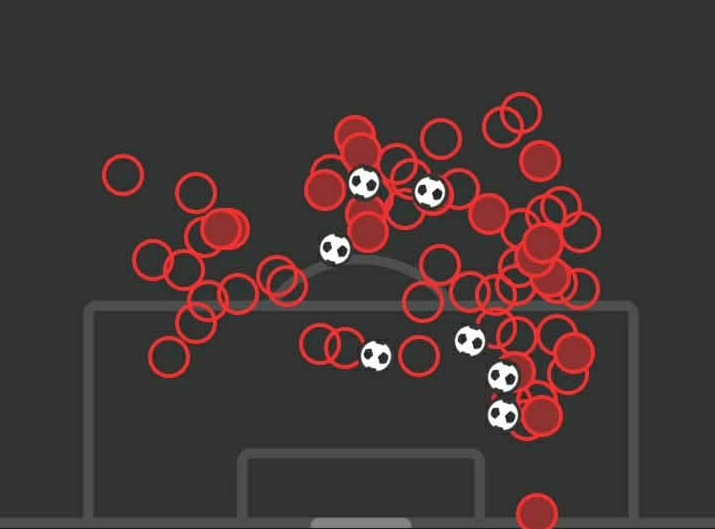
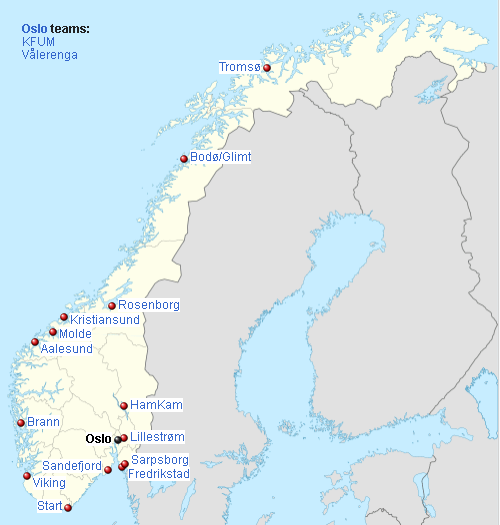









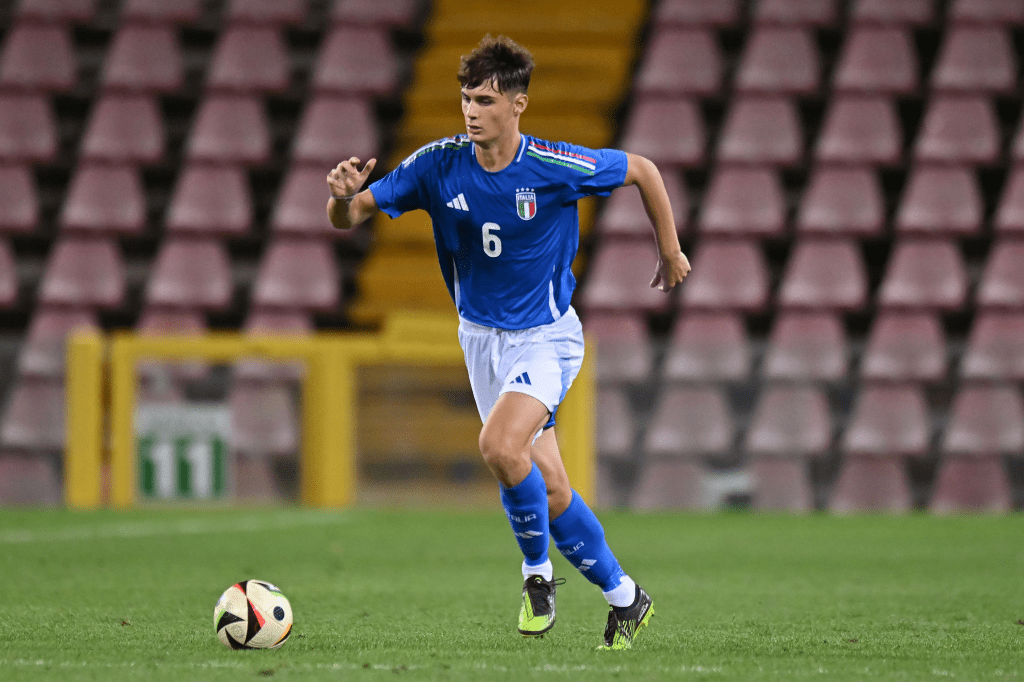

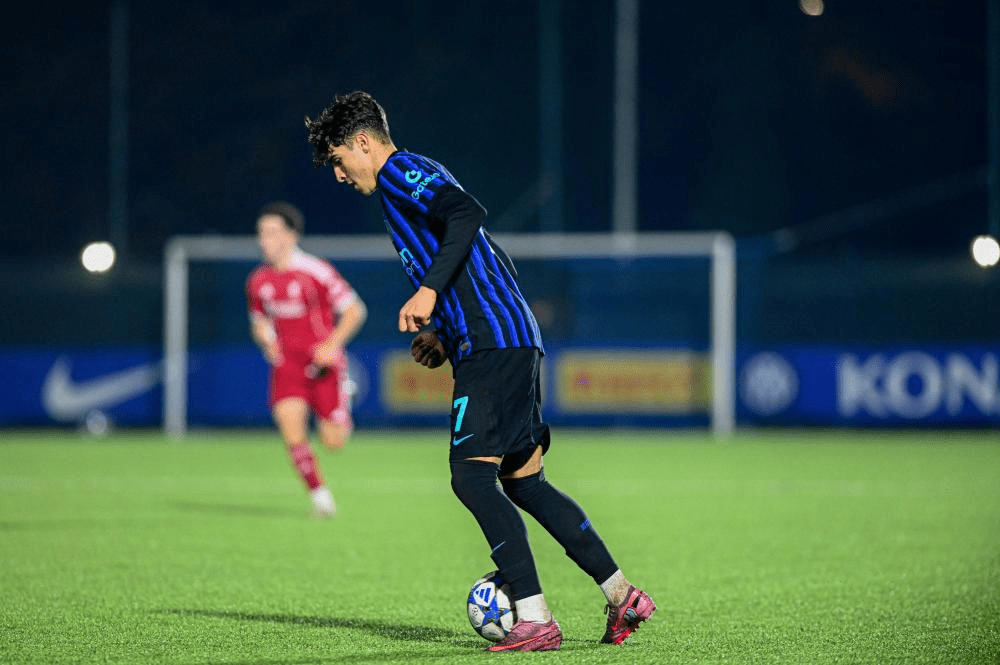
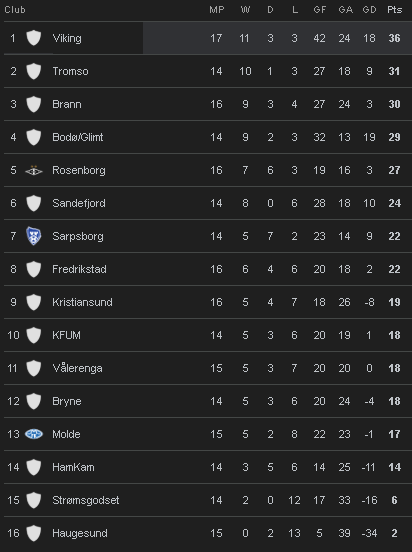
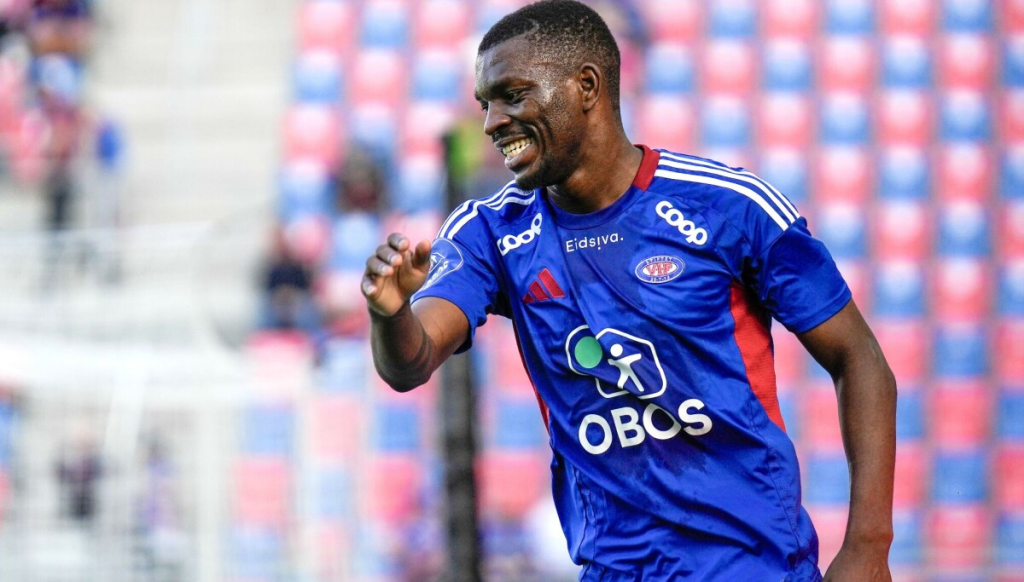
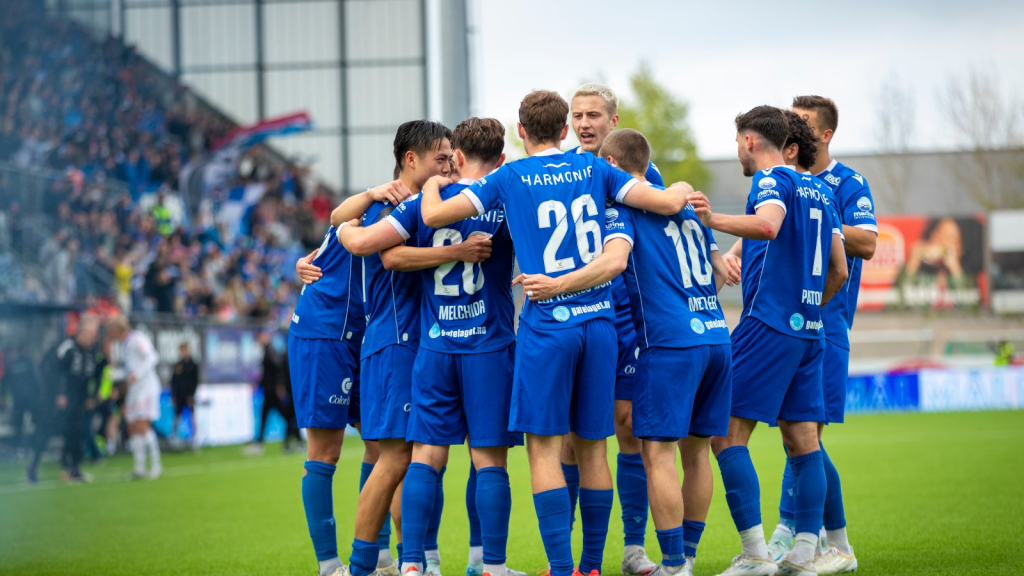
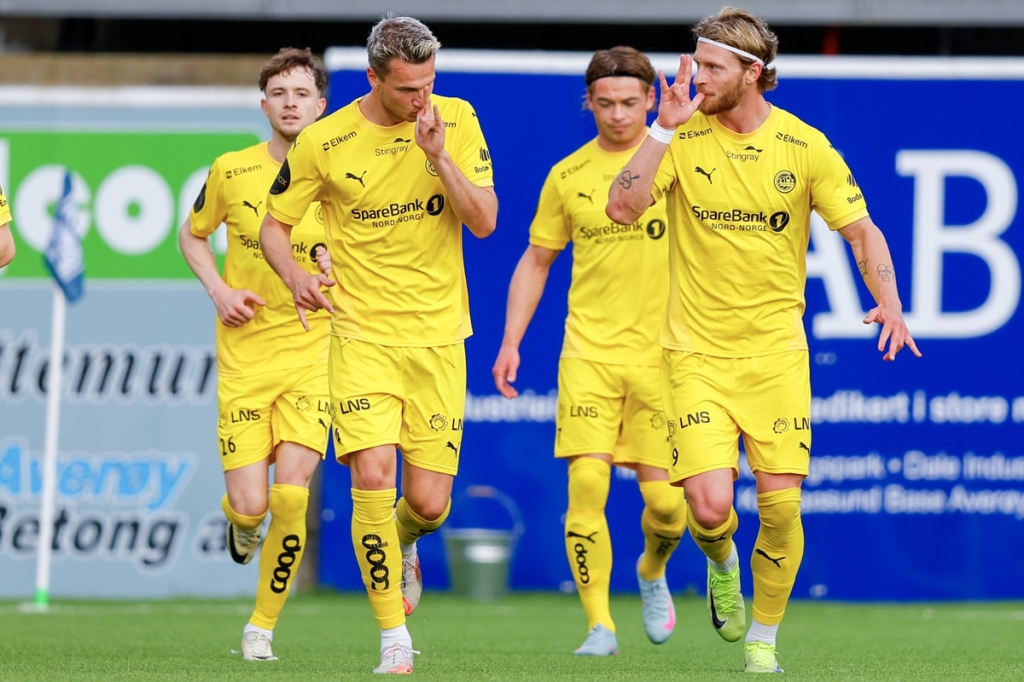
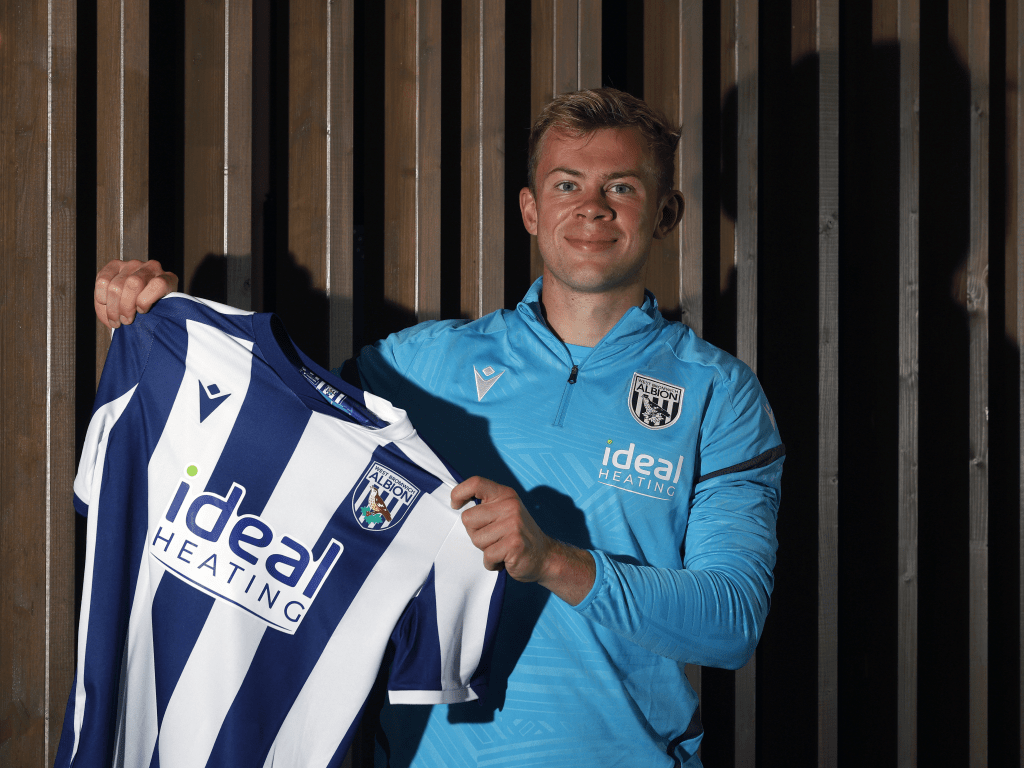

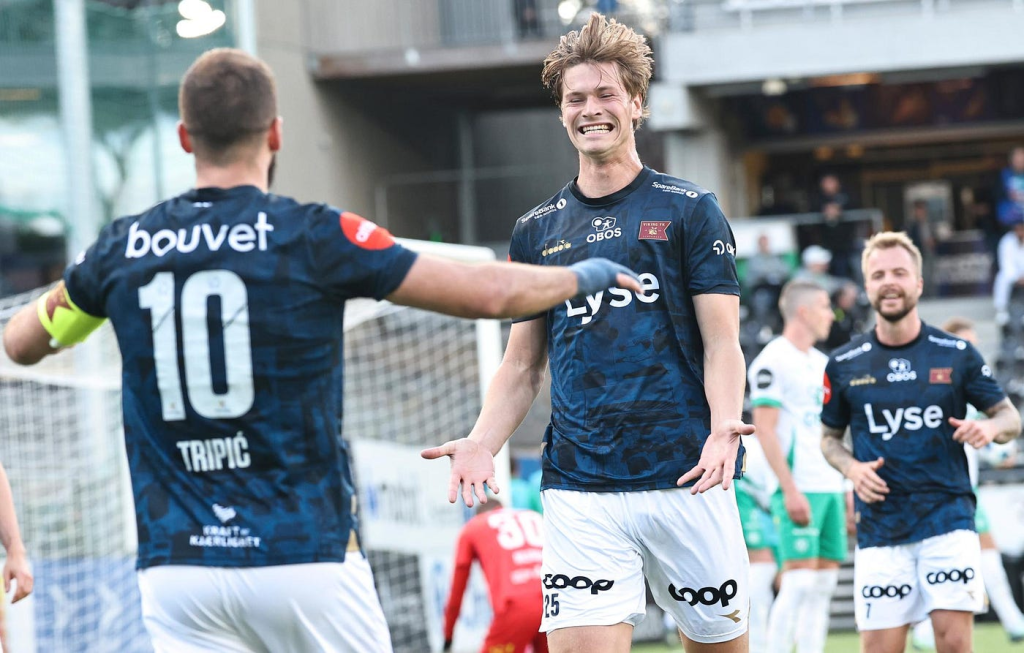


















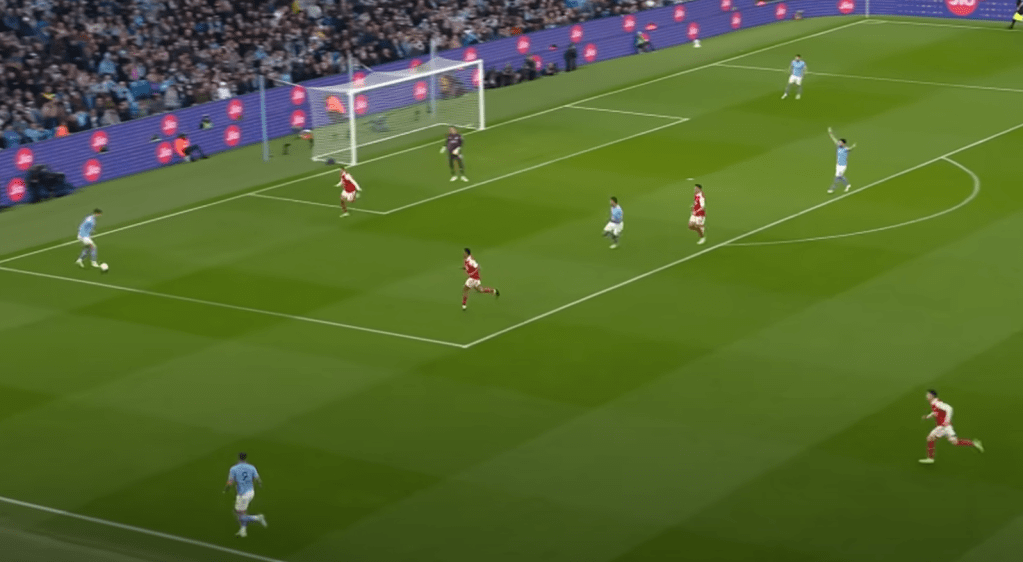
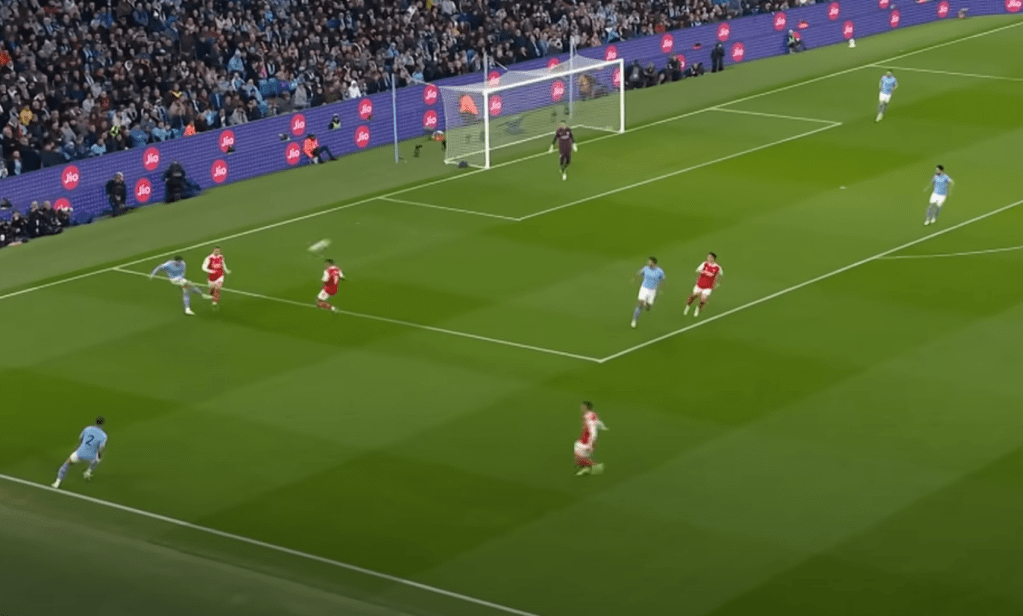
 futbird